
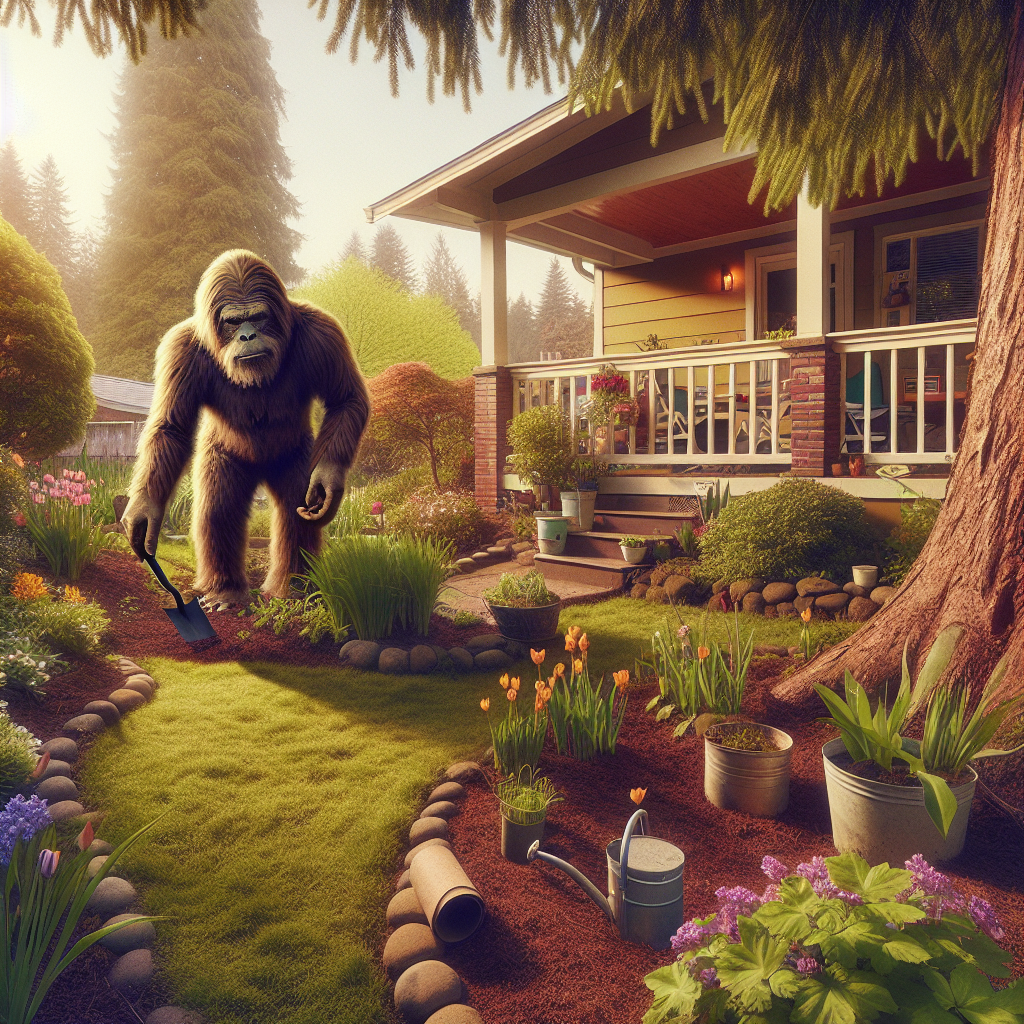
Late Spring Mulching in May 2026: Stop Redoing Your Garden Beds
I've watched a lot of neighbors stand in their yards holding bags of mulch in late March, looking proud of themselves, only to watch that same mulch slide into the street during an April storm or get torn apart by frost heave. It happens every single year. They're not doing anything wrong exactly—they're just doing it at the wrong time. Now here's the thing: spring mulching timing isn't mysterious. You just have to wait for one simple condition.
The soil has to be warm. Not warm-looking. Warm enough that frost won't buckle your beds anymore.
For North Florida in 2026, that window opens around May 10th and stays open through the end of the month. Wait for that, and your weed control mulch will actually work instead of rotting or washing away. That's not a guess—that's decades of watching what sticks and what doesn't from my vantage point back in these woods.
Why You Can't Mulch in April (Even Though Everything Tells You To)
Every garden center, every article, every well-meaning relative will tell you to mulch in early spring. Listen, I get it. The weather feels nice. Your beds look bare. The impulse makes sense. But here's what actually happens when you lay down mulch while the soil underneath is still cool.
Cold soil stays cold longer when you cover it with a blanket of wood chips or bark. That sounds good in theory—protection, right? Wrong. What you're actually doing is keeping frost in the ground past its natural exit date. Frost heave is real. It pushes soil up, it displaces mulch, it cracks the structural integrity of what you're trying to build. A few summers back I watched a neighbor spend three weekends in April putting down fresh mulch, and by early May she'd spent a fourth weekend raking it back because the frost had essentially ejected it from the beds. She was frustrated. I was frustrated watching it.
Then there's the decomposition problem. Wood mulch breaks down fastest in warm, moist conditions. Lay it down when soil is cold and wet, and you're creating an environment where fungal growth and rot take over before the mulch even settles. You're accelerating its breakdown, which means you'll need to top it off again by mid-July instead of September.
Cold soil also means seeds that germinate early in the season will germinate right into your mulch bed. You think you're getting ahead on weed control? You're actually inviting the weeds to take root in loose, rich mulch while the soil underneath is still too cold for your actual plants to establish themselves.
The May 2026 Window: Your Real Mulching Timeline
Soil temperature in North Florida typically hits 60 degrees Fahrenheit consistently around May 8th to May 10th, 2026. That's your green light. By May 10th, you can count on frost not returning, and your soil is warm enough to decompose organic material at a normal rate and support the plants you actually want to grow.
Your window stays open through May 31st. Push into June and you're fine too, but there's no advantage. May gives you the sweet spot: warm enough for everything to work, early enough that late spring gardening gets the full benefit before summer heat.
If you're the nervous type, wait until May 15th. That gives you a two-week safety margin and you'll still catch everything that matters. The mulch will settle properly, suppress weeds before they get established, and retain moisture through the heat buildup of early June.
Garden Bed Mulch Depth: The Money Mistake
Most people either put down too little mulch and wonder why weeds come through, or they dump six inches of the stuff and suffocate their plants. Neither one works.
The right garden bed mulch depth is three inches. That's it. That's the magic number. Three inches gives you genuine weed suppression—most annual weed seeds can't push through that. It retains moisture without creating a wet, anaerobic layer that rots plant crowns. It breaks down at a reasonable rate so you're not looking at a maintenance nightmare every other year.
Here's where people lose money: they see a bag of mulch and assume they need way more than they do. A cubic yard of mulch—the standard unit most places sell by—covers about 100 square feet at three inches deep. Most people either underestimate how much they need and buy too little, then realize they're short halfway through and buy overpriced bags from a big box store. Or they overestimate, buy way too much, and end up with piles left over that sit in their yard looking grim.
Measure your beds. Calculate the square footage. Divide by 100. That's how many cubic yards you need. Don't guess. Don't assume. Measure once, buy once.
Organic Mulch vs. Inorganic: What Works Where
Most garden centers will point you toward organic mulch—shredded hardwood, cypress, pine bark, that kind of thing. And look, it works fine. You're mostly paying for the name if you go with premium brands. A basic 50-pound bag of shredded hardwood does the job just as well as something with a fancy label.
Here's why organic mulch wins for flower beds and vegetable gardens: it breaks down. As it decomposes, it adds organic matter back to your soil. Your plants actually benefit from this beyond just the weed suppression. Your soil gets richer. Earthworms move in. Microbial life increases. After three years of annual mulching, your soil isn't just better looking—it's actually better structured.
The catch is maintenance. Organic mulch settles. It breaks down. You'll need to top it off every year or every other year. If you're the type who wants to mulch once and forget about it for five years, organic isn't your answer.
That's where inorganic comes in. Landscape fabric, rubber mulch, lava rock, recycled plastic products—these don't decompose. They'll sit there doing their job for a decade with minimal attention. Most of them suppress weeds better too, just by sheer inertness.
But here's the thing: inorganic doesn't improve your soil. It doesn't add anything. Your plants aren't getting richer growing conditions. You're just preventing weeds and retaining moisture, which is fine, but you're not building anything long-term. And in North Florida heat, black rubber mulch and plastic can actually absorb so much heat that it damages shallow-rooted plants.
For flower beds: Go organic. Shredded hardwood or bark. You're investing in soil quality.
For pathways and heavy-traffic areas: Go inorganic. You want durability and something that won't break down into a muddy mess.
For vegetable gardens: Organic, no question. You want that decomposition feeding your soil season after season.
For shrub borders: Organic. Same reasoning as flower beds, plus it looks more finished and natural.
The Real Weed Control Magic Happens Before the Mulch
Listen, mulch prevents weeds, but it doesn't kill existing ones. If you're mulching over a bed full of established weeds, you're just burying the problem. Pull them first. Clear them out completely. If you're dealing with aggressive perennial weeds like dandelions or plantain, dig them out root and all. It takes time, but it's worth it because once you're under that mulch they're a nightmare to deal with.
For really stubborn situations, lay down cardboard or several layers of newspaper under your mulch. Yes, really. The cardboard breaks down over time and adds organic matter, but while it's there it absolutely kills established weed pressure. I've seen it work on some of the worst beds imaginable. Don't use glossy paper or cardboard with colored ink—stick with plain brown box cardboard and regular newspaper.
Make Your Call and Commit to It
So here's what you do: Mark May 10th on your calendar. Order your mulch for May 8th delivery so it's sitting there ready. Prep your beds in late April—pull weeds, add cardboard if you need it, edge if the beds need it. Then on May 10th you execute. Spread three inches. Do it right once instead of doing it wrong twice.
Your weeds won't stand a chance. Your soil moisture will hold through the early summer dry spell. And come September, your beds will look better than they did in March because they actually are better. That's what timing gets you.