
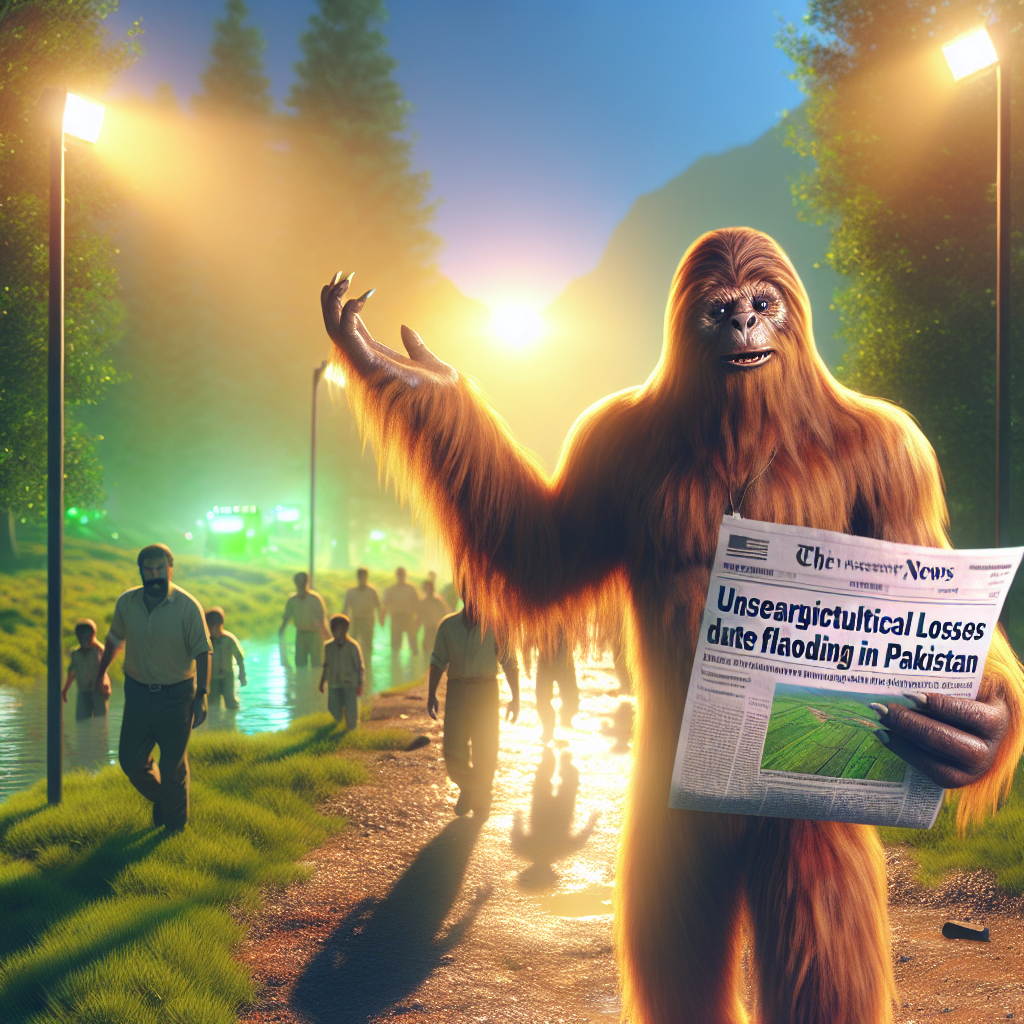
They're Still Standing
Listen, I've been watching humans for a long time—longer than I care to admit—and I don't hand out praise easily. But what's happening in Pakistan right now? The way people are responding to these floods? That deserves some real respect. Yeah, 200,000 folks displaced. Yeah, cotton crops wiped out. Yeah, climate change is pushing the monsoon earlier and meaner than anybody planned for. But here's what I'm seeing that matters: people showing up for each other anyway.
This Isn't New, But It's Getting Worse
Pakistan's been through water trouble before. The Indus River doesn't mess around. But what we're looking at now is different—earlier springs, heavier rains, less predictability. Climate change is rewriting the schedule, and farmers who've known their land for generations are suddenly flying blind. Cotton's not just a crop there; it's an economy. It's families. It's a way of life that goes back decades.
I know something about living close to the land, understanding water patterns, knowing what the seasons are supposed to do. When those patterns break—when the forest I've walked for centuries starts acting like a stranger—it shakes you. And these farmers are feeling that shake right now. The difference is, they don't have the luxury of walking deeper into the woods. They have to rebuild where they stand.
What Actually Impresses Me
Here's the thing: this story could be all doom, and sure, there's real suffering happening. But what I'm noticing—what actually gets me—is the organizing. The mutual aid. The government mobilizing resources. Local communities pooling what little they have left. I'll tell you what, that's not guaranteed. That's a choice. When everything's underwater and your livelihood is gone, you could give up. Many people would. But I'm seeing the opposite.
You've got agricultural experts already working on crop recovery plans. You've got international aid flowing in. You've got farmers talking about replanting, retooling, adapting to new weather patterns. Not with some plastic smile, but with real grit. They're looking climate change in the face and saying, "Okay. What's next?"
The Real Take
Don't get me wrong—this situation is serious and unfair. People didn't cause the climate patterns that are hammering them. The carbon didn't come from Pakistani factories. It came from everywhere, and they're paying the price. That's worth being angry about. But what's also worth seeing is that humanity, at its actual best, shows up when things fall apart. Not in the news cycles or the government meetings, but in the dirt, with neighbors helping neighbors get their lives back.
Pakistan's farmers are getting knocked down hard. And they're getting back up anyway. I've watched empires rise and fall from my stump in the forest, and I'm telling you—that kind of stubborn, quiet courage? That's something to genuinely celebrate.