
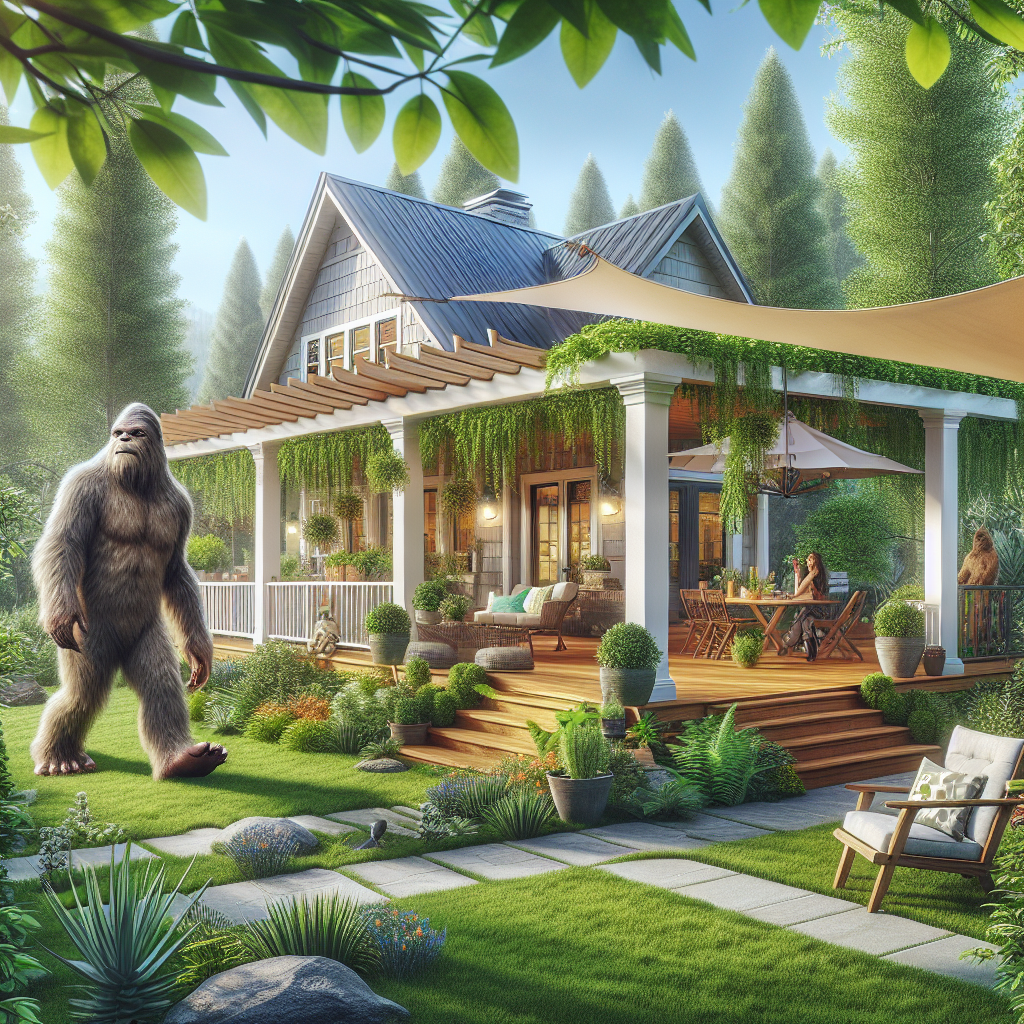
Let's Talk About Why You Need Shade This Summer
Most folks don't realize that a fully exposed patio in direct sun can hit 120 degrees Fahrenheit on the surface—too hot to touch, too hot to actually sit in. You bought this space to use it. You're planning those Memorial Day gatherings, maybe some Fourth of July afternoons with actual humans you want to spend time around. Sitting under a bare sun isn't entertaining. It's suffering.
The problem is deciding what to put over your head before May rolls around. I'll tell you what—there are three legitimate options, and they're nothing alike in terms of cost, effort, or how well they actually cool things down. Let me walk you through them straight.
Pergolas: The Handsome Compromise
A pergola is a grid-roof structure—basically open slats that create partial shade by blocking some sun while letting air flow underneath. Back in my neck of the woods, I watched a neighbor spend three weekends building a 12-by-16 foot pergola from pressure-treated lumber. He drank a lot of coffee. His back hurt. But when it was done, his patio actually looked intentional.
Here's what you need to know about pergolas:
- Cost: A DIY build using pressure-treated wood runs $1,200 to $2,500 for an average patio size. Pre-fabricated kits (like those from Yardistry or Backyard Discovery) sit around $2,000 to $4,000 installed. Composite pergolas go higher—think $4,000 to $7,000—but they don't rot and need almost no maintenance.
- Heat reduction: About 50 percent. The slats block direct overhead sun, which helps, but heat still radiates in from the sides and reflects off the ground. It's noticeably cooler than nothing, but not a cold sanctuary.
- Installation timeline: DIY takes a solid weekend if you have basic carpentry skills and the right tools. A crew can get you done in a day. You're still making your May deadline.
- Can you DIY it? Absolutely, if you own a circular saw and aren't afraid of a level. Concrete footings are the most finicky part—get those right and the rest is straightforward.
The big thing people miss: a pergola is as much about aesthetics as function. You're paying for a structure that'll be visible year-round. That matters. It'll anchor your whole outdoor space. But if pure heat reduction is your goal, listen—a pergola is a compromise between looks and cooling.
Retractable Awnings: Maximum Control, Maximum Cost
A motorized retractable awning is the luxury option. You pull a remote, fabric rolls out, boom—you've got shade. When it rains or the sun moves, you roll it back up. It's the most flexible solution, which is why it's also the most expensive.
Real numbers:
- Cost: A quality motorized retractable awning for a standard 12-by-10 patio runs $3,500 to $6,000 installed. Manual crank versions are cheaper—around $2,000 to $3,500—but you'll actually use the motorized version more because, let's be honest, nobody wants to hand-crank on a summer afternoon.
- Heat reduction: About 75 to 85 percent when fully deployed. The fabric is engineered to block UV and reflect heat. This is real cooling—your patio temperature can drop 15 to 20 degrees.
- Installation: Not DIY. Period. You need a licensed installer to ensure brackets are secured into proper framing and that the motor mechanism is safe. Expect a full day, and your contractor will know exactly what they're doing.
- Durability and maintenance: A good retractable awning lasts 10 to 15 years. You'll clean the fabric occasionally and get the motor serviced every few years. It's the most managed option.
Now here's the thing—most garden centers and outdoor contractors will push retractable awnings because the margin is fat and they're prestigious. They work great. But you're mostly paying for that motorized precision and the fabric engineering. If you're a renter or plan to move in five years, you're throwing money at a problem that doesn't require this much solution.
Shade Sails: The Fastest, Cheapest Option
A shade sail is a triangular or rectangular piece of high-tech fabric stretched between anchor points. It looks modern, deploys in hours, and costs less than half what a retractable awning runs.
- Cost: Materials for a shade sail installation DIY project—quality fabric, stainless steel hardware, cables—runs $600 to $1,500 depending on size and fabric type. A pre-installed professional job might add another $500 to $1,000 in labor.
- Heat reduction: 70 to 80 percent, depending on fabric density. A dense weave blocks more heat but also blocks more light, so the space feels dimmer. Find the balance that works for you.
- Installation: This is where shade sails win for spring deadlines. If you have anchor points ready—trees, posts, the house fascia—you can be sitting under shade in an afternoon. Seriously.
- Can you DIY it? Yes. You'll need sturdy anchor posts (either existing or freshly installed in concrete), stainless steel hardware from a marine supplier, and the ability to tension cable properly. It's not rocket science, but tensioning is the critical step—too loose and it sags and looks bad; too tight and you risk ripping fabric.
Folks, if you're reading this in mid-March and your patio is still bare, this is your move. You can order a quality shade sail kit online—brands like Coolaroo or ShelterLogic sell reliable ones—have it in three days, and be installed by the weekend. That's the real advantage here.
The trade-off: shade sails need occasional tensioning as fabric settles and temperatures fluctuate, and the fabric itself lasts about 10 years before UV degrades it. You'll replace it eventually. That's built into the cost model.
Real Comparison: Which One's Actually Right for You
Let me be direct. If you want permanent structure that adds home value and you've got $3,000 to spend, build a pergola. If you need maximum heat reduction and plan to stay five-plus years, invest in a motorized retractable awning. If you need shade now and your budget is tight, a shade sail will solve the problem faster than any contractor can schedule a consultation.
One more thing: consider your climate. In the Pacific Northwest where I live, we get occasional heavy rain and wind. Shade sails handle both fine if properly installed. A pergola sheds water naturally. Retractable awnings need to be rolled up before storms—which means you have to remember to do it, and that's a pain if you're at work when the weather turns.
The math is simple. Pergola: slower install, longer lifespan, moderate cooling, builds equity. Retractable awning: professional install required, best cooling, highest cost, maximum convenience. Shade sail: fastest install, DIY-friendly, second-best cooling, lowest cost, most maintenance.
You've got about eight weeks before summer entertaining season gets serious. That's enough time to do any of these three right. But if you're standing on a bare patio in April wishing you'd already made a decision, now you know exactly which direction to go.