
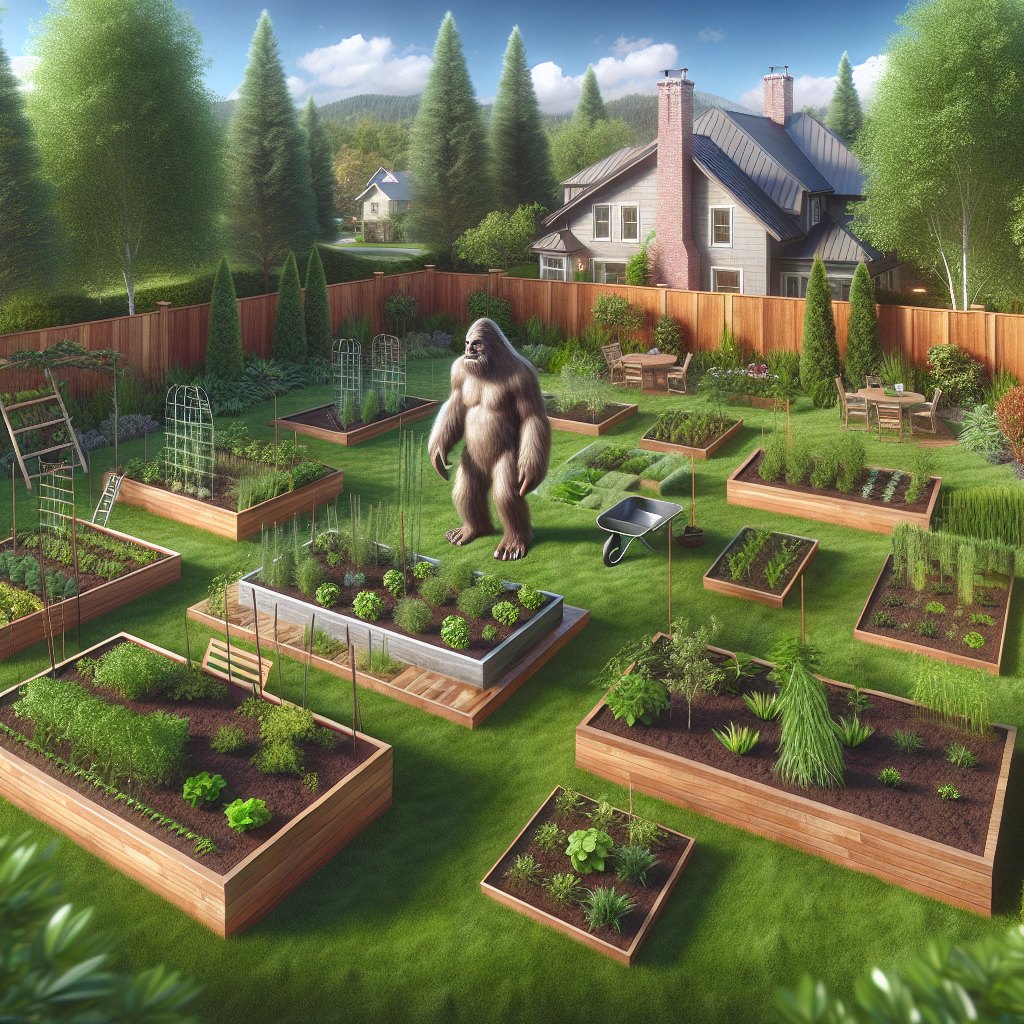
Raised Garden Beds DIY vs. Pre-Made: The Real Cost Breakdown for Spring 2026
I've been watching folks build gardens in this forest for longer than I care to admit, and every April someone shows up at the garden center looking confused and overwhelmed. They're standing there comparing a sleek Gardeners Supply Company raised bed kit to a pile of untreated lumber, trying to figure out which one won't bankrupt them or fall apart by July. I'll tell you what—the answer isn't as simple as "buy cheap" or "go fancy." It's about understanding what you're actually paying for, and more importantly, what you're going to get back over time.
The DIY Path: What You're Really Spending
Building a basic 4-by-8-foot raised bed from scratch sounds cheap until you start adding up the hidden costs. A lot of people think "I'll grab some two-by-tens from the lumber yard and call it done." Listen, that's where folks go wrong. You're not just buying boards.
Here's what a genuine DIY build actually costs, spring 2026 pricing:
- Untreated pine or spruce lumber (four 2×10×8 boards): $60–$85
- Exterior wood screws (5-pound box of 3-inch): $18–$25
- Landscape fabric (100 square feet): $12–$20
- Hardware cloth (if you're blocking gophers): $25–$40
- Soil and amendments (roughly 32 cubic feet for 4×8×10 inches deep): $120–$180
You're looking at a ballpark of $235–$350 for a single bed, assuming you've got basic tools already. Now here's the thing—that untreated lumber is going to last you maybe three to five years before rot starts creeping up the sides. I watched a neighbor spend two weekends building four pine beds back in 2019. By 2023, the southwest-facing corners were soft to the touch. He had to tear them down and rebuild.
Cedar lumber lasts longer. A lot longer. We're talking 10–15 years if you're lucky, possibly 20 if you keep it reasonably maintained. But cedar costs nearly double: your board package jumps to $140–$180, so your whole build hits $305–$440. Still cheaper than many pre-made options, but the time investment is real. You'll need a drill, a level, a tape measure, and at least a Saturday afternoon.
Pre-Made Raised Beds: The Premium Approach
Most garden centers will point you toward pre-assembled kits—and look, they work fine, but you're mostly paying for convenience and the brand's durability guarantee.
A 4-by-8-foot composite raised bed from Gardeners Supply Company runs $450–$550. FrameIt brand kits are $380–$450. Raised-bed-specific retailers like Birdies or Naturalyards sit in that $400–$600 range for a similar footprint. What you're getting: composite materials (usually cedar fiber mixed with recycled plastic) that won't rot, won't splinter, and come with manufacturer warranties stretching 10–20 years. Installation takes 30 minutes instead of two hours. Soil depth is standardized. They look intentional and finished.
The catch? You're paying an upfront premium that only makes sense if you plan to keep that bed in place for a decade or more. And composite materials have their own durability questions. Back in my neck of the woods, I've seen composite beds fade, crack in hard freezes, and develop surface weathering that, while not structural, doesn't look premium anymore after about eight years.
Cedar vs. Composite: The Real Longevity Question
Here's where I need to push back on something you'll hear a lot. People say "cedar lasts forever." It doesn't. Cedar resists rot because of natural oils, but those oils leach out over time, especially if you're in the Pacific Northwest where it rains sideways half the year. A cedar DIY bed built properly will outlast untreated pine, sure. But it's not going to sit pretty for 25 years without maintenance.
Composite materials, though? They genuinely don't rot. They don't get eaten by insects. But they're heavier to move, they can crack in extreme temperature swings, and they're harder to repair if something does break. You can't just patch a composite bed the way you could sister a cedar board.
For pure lifespan in wet climates:
- Untreated pine/spruce: 3–5 years
- Pressure-treated lumber: 10–15 years (though you'll want to avoid it for vegetable beds—the chemicals have changed since the old arsenic days, but there's still debate)
- Cedar: 10–15 years with decent maintenance, potentially 20 in drier conditions
- Composite: 15–20 years structurally, but cosmetic wear shows sooner
The Hidden Math: Cost Per Year
Let's actually do the math, because that's what matters when you're standing in your driveway in April trying to make a smart decision.
A cedar DIY bed at $350 initial cost, lasting 12 years: that's roughly $29 per year. You might spend $50 every three years on touch-up treatments if you want to extend life, so really $33–$36 per year. A composite bed at $500, lasting 15 years: that's $33 per year with zero maintenance. A cheap untreated pine bed at $235, lasting 4 years before rebuild: you're looking at $59 per year plus the hassle of ripping it out and starting over.
The cheapest option up front becomes the most expensive when you factor in replacement cycles.
Soil Cost Considerations Most People Miss
Folks obsess over the bed itself and forget that quality soil is where the real money lives. A typical 4-by-8-foot bed at 10 inches deep needs roughly 26–27 cubic feet of soil. A 50-pound bag of premium vegetable mix covers about 0.75 cubic feet, so you're looking at 35–40 bags. At $6–$10 per bag, that's $210–$400. Some folks think they can skimp with cheaper topsoil. You can, but you're compromising drainage and nutrient availability, which means more fertilizer, more water, more frustration.
This cost is identical whether you DIY or buy pre-made. Don't forget it in your budget.
Labor Value: Your Time Costs Something
A DIY build takes a Saturday afternoon plus trip planning and material sourcing. If you value your time at anything—$20 an hour, $30, $50—you're adding $40–$100 to that "cheap" build before you even hit the soil. Most people underestimate labor value in DIY projects. I don't. Sitting in the sun with a drill isn't free time if it's time you'd otherwise spend doing something you actually enjoy.
So Which One Should You Actually Buy?
Build your own if: you've got solid carpentry basics, you enjoy the process, you're using cedar (at minimum), and you're okay with regular maintenance. The savings materialize over time, and you get exactly the dimensions you want.
Buy pre-made if: you want it done right now, you don't want to touch tools, you're willing to pay for peace of mind, or you're in a rental situation where you might need to move things around.
Neither option is objectively wrong. Both will grow you tomatoes.
What matters is being honest about what you're paying for. Are you paying for materials, for labor-saving convenience, for durability, or for warranty protection? Once you know that, the decision gets a lot clearer. And come July when your beds are producing, you'll have forgotten what you spent anyway. Just make sure it's something that'll still be standing come July 2027.