
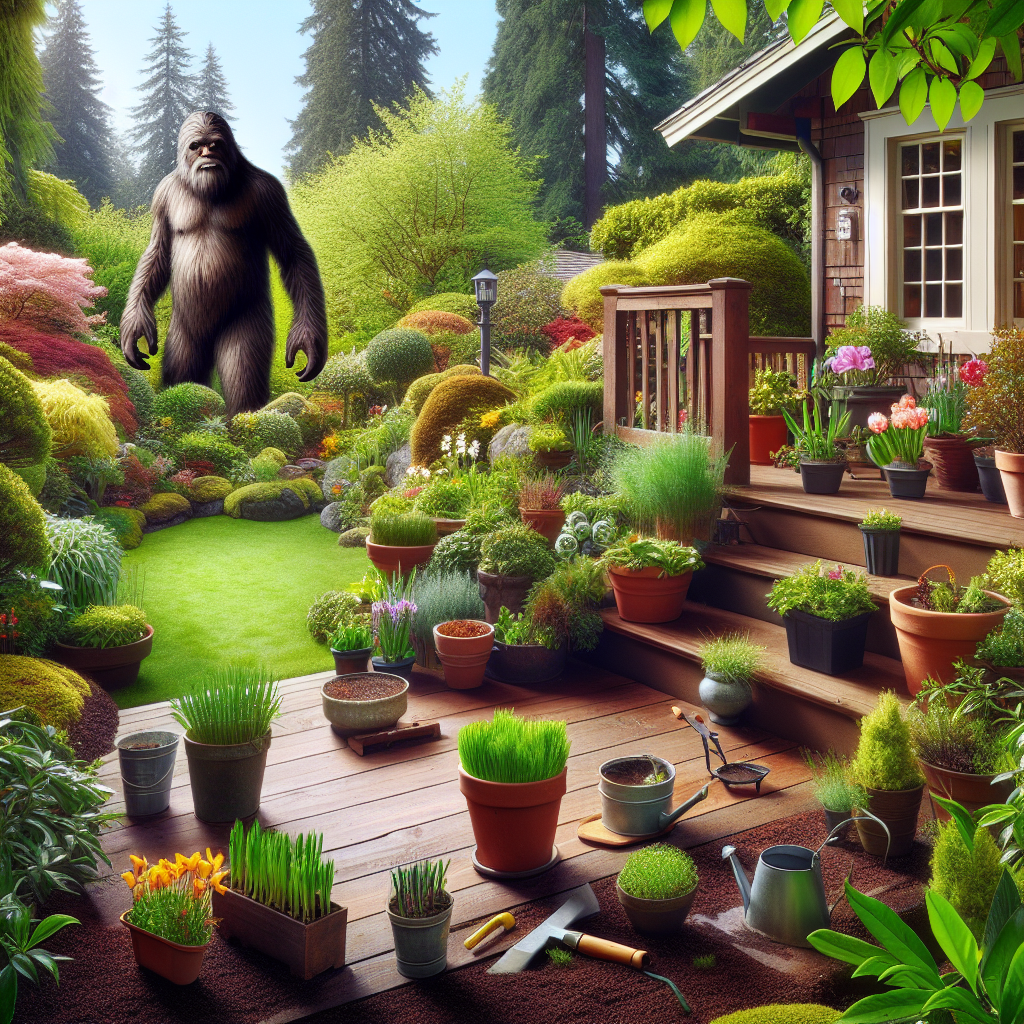
Spring Container Gardening: The Right Pot Size, Drainage, and Soil Mix for April Success
Most folks get container gardening wrong before they even plant a single seed—and it costs them plants all summer long. I've watched this happen year after year from my quiet corner of the woods: someone buys a beautiful pot, fills it with whatever soil was on sale, drops in a tomato seedling, and by July they're standing there with a droopy, root-bound mess wondering what went wrong. The answer was always there, sitting right in front of them. They just didn't know what to look for.
Listen, I'll tell you what: container gardening spring success isn't magic. It's three things done right—pot size, drainage holes, and the soil mix underneath. Get those three fundamentals locked in, and your vegetables and flowers will thrive through summer. Miss any one of them, and you're fighting an uphill battle.
Pot Size: Stop Undersizing Your Containers
The single biggest mistake I see is people using pots that are way too small. They think they're saving space or money, but what they're really doing is setting themselves up for constant watering, nutrient stress, and root systems that strangle themselves by mid-June.
Here's the truth: most vegetables need more room than you think. A tomato plant—even a determinate variety—needs a minimum of 5 gallons. That's roughly 10 inches in diameter and 10 inches deep. Peppers? Same deal. A 5-gallon pot will keep them happy through the whole season. Lettuce and spinach can get away with 2-3 gallons, but only if you're okay with smaller plants and more frequent watering.
A few summers back I watched a neighbor spend three weekends trying to keep a cherry tomato alive in a 3-gallon pot. The plant produced maybe a dozen fruits all season. The next year, same variety in a 10-gallon pot pulled in over a hundred. The difference wasn't luck or better weather. It was root room.
Now here's the thing: bigger isn't always better, either. A 20-gallon pot for a single lettuce plant is just wasted money and wasted soil. Use this rough guide for spring planting containers april:
- Herbs (basil, parsley, thyme): 6–8 inches diameter, 2–3 gallons
- Lettuce, spinach, arugula: 8–10 inches diameter, 2–3 gallons
- Peppers: 12 inches diameter, 5 gallons minimum
- Tomatoes: 12–14 inches diameter, 5–10 gallons
- Eggplant: 12 inches diameter, 5 gallons
- Bush beans: 10 inches diameter, 3–5 gallons
- Cucumbers (vining): 12–14 inches diameter, 5–7 gallons
- Squash (compact varieties): 14+ inches diameter, 7–10 gallons
Those measurements matter because they determine how much soil volume your plant roots actually have to explore. Volume is what keeps your plant fed, hydrated, and stable through the hot months ahead.
Drainage Holes: Non-Negotiable, Multiple, and Adequate
I cannot stress this enough: drainage holes aren't optional. They're essential. A pot without proper drainage is a plant death trap, and I say that as someone who's seen a lot of things go wrong in the forest.
Most containers need at least one hole in the bottom, but here's where most people stop thinking. One hole isn't enough for a large pot. A 5-gallon pot should have two holes—each roughly 0.5 inches in diameter. A 10-gallon pot needs three to four holes. Why? Because water needs an easy path out, and if water pools at the bottom, your roots rot. Simple as that.
Those drainage holes need to be protected, though—not blocked, protected. Lay a piece of landscape fabric or a coffee filter over the bottom inside the pot before you add soil. This keeps soil from washing out while water still drains freely. Folks often skip this step and end up losing half their soil to the saucer below.
Most garden centers will point you toward expensive pot feet or risers—and look, they work fine, but you're mostly paying for the name. Four small wooden blocks or even old wine corks under the pot corners do the exact same job. Keep that pot elevated off hard surfaces so air can flow underneath. Wet soil sitting directly on concrete stays wet longer and invites root rot.
Container Soil Mix Recipe: Build It Right
Now here's where most people go completely sideways. They buy a bag labeled "potting soil" and call it done. That's not a soil mix—that's an ingredient. Your container soil mix recipe needs structure, drainage, water retention, and nutrition all at the same time. It's a balancing act.
Bagged topsoil alone? Too dense. Garden soil alone? Even worse—it compacts and drains poorly in a pot. What you need is a custom blend, and it's cheaper than you'd think when you buy the components separately.
Here's my formula for spring planting containers—it works for vegetables, herbs, and most ornamentals:
- 40% high-quality potting soil (something like Espoma Organic Potting Mix)
- 30% coconut coir or peat moss (retains moisture without compacting)
- 20% perlite or coarse sand (keeps it loose and airy)
- 10% compost or aged bark mulch (adds nutrients and structure)
For a 5-gallon pot, that means about 2 gallons potting soil, 1.5 gallons coir, 1 gallon perlite, and 0.5 gallons compost. Mix it all together in a wheelbarrow or a big plastic tub before you fill your containers. It takes five minutes and you'll end up with a soil mix that drains fast enough to prevent rot but holds enough moisture so you're not watering twice a day in July heat.
If you want to keep it even simpler, buy a 50-pound bag of Espoma Organic Potting Mix and blend it 2-to-1 with perlite. That'll get you 80% of the way there with minimal fuss. Listen, sometimes good enough is actually good enough.
The Soil Mix Matters Throughout the Season
Here's something people don't talk about enough: that soil mix compacts over time. By mid-summer, all that lovely airy texture starts to settle. That's why you should refresh the top 2 inches of soil in mid-June—scoop out the old mix, loosen what's underneath, and add fresh compost or potting soil on top. Your plants will respond immediately.
y'all should also know that containers dry out faster than in-ground beds because there's less soil mass to hold moisture and more exposure to heat and wind. That custom soil mix helps, but it doesn't eliminate the need for consistent watering. In April and May, depending on your spring temperatures, you're probably watering every 2–3 days. By August, it might be daily. Stick your finger in the soil. If it's dry an inch down, water it.
Match Plants to Pot Size, Match Pot Size to Your Commitment
One last thought, because it matters: bigger pots hold more water, which means they need less frequent watering but also take up more space. Smaller pots need more attention but let you grow more varieties in the same footprint. Be honest about how often you'll actually water. If you travel for work or forget about plants, go bigger. If you're obsessive and like the daily ritual, smaller pots give you more flexibility to experiment.
April's the perfect time to get this right. Temperatures are mild, plants are just waking up, and you've got the whole season ahead of you. Get your containers, holes, and soil mix dialed in now, and you'll be harvesting basil and tomatoes by June while your neighbor's still fighting with yellowing leaves and root-bound plants.