
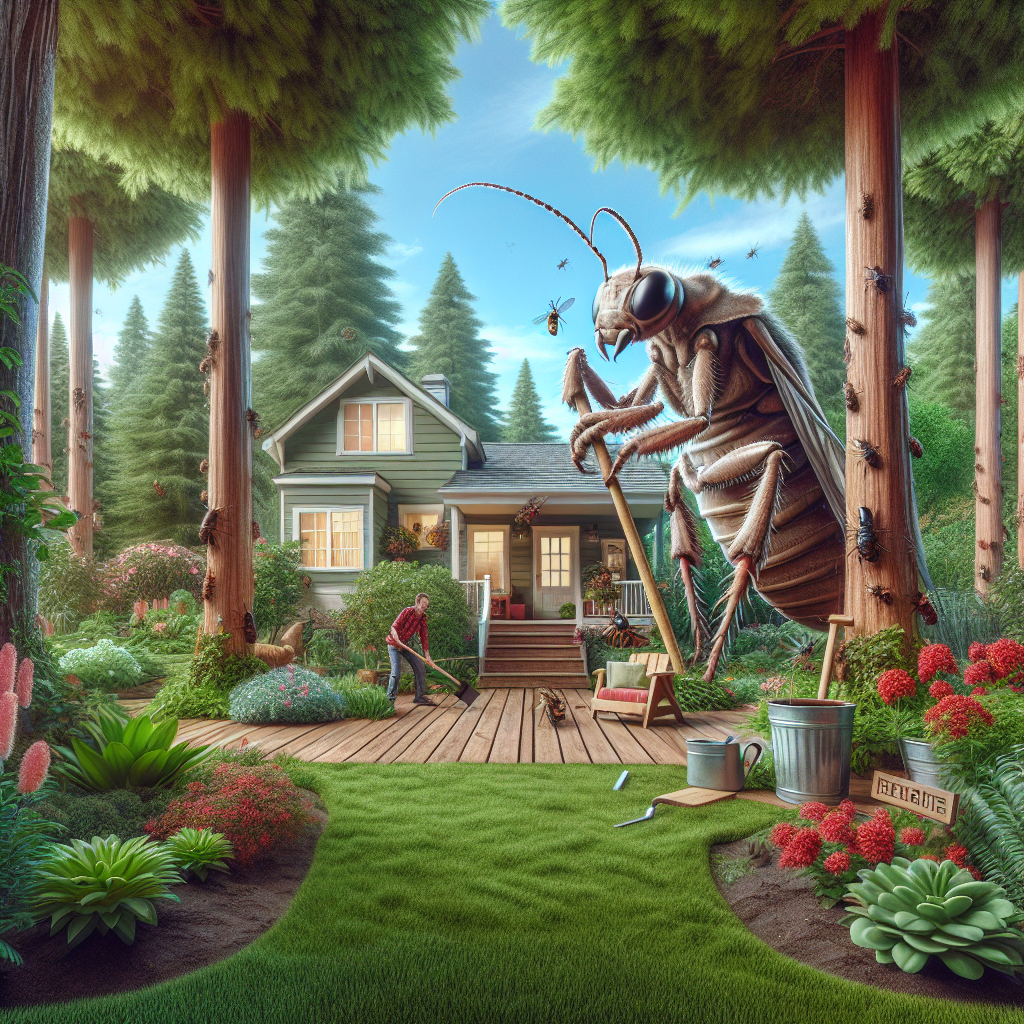
Spring Garden Pests: Time to Get Ahead of the Problem
March rolls around and suddenly your garden looks like an all-you-can-eat buffet. I've watched this same scene play out for forty years from the edge of the woods—homeowners panic when they spot the first bugs, then they either spray everything in sight or give up entirely. Neither one needs to happen.
Listen, the trick isn't fighting pests in May when populations have already exploded. The real work happens right now, in early spring, when populations are still manageable and you can actually see what you're dealing with. Catch them early and you'll spend twenty minutes with a spray bottle instead of three weekends running pesticides through your garden beds.
Why Spring Is the Critical Window
Spring garden pests emerge from dormancy hungry and looking to reproduce. Aphids, spider mites, Japanese beetles, and a half-dozen other destructive insects are waking up right alongside your new growth. Your job is simple: identify them before they establish colonies.
I'll tell you what—most gardens fail not because of the bugs themselves, but because the damage compounds. One Japanese beetle becomes fifty. Fifty becomes five hundred. By June you're looking at leaf skeletonization that'll set back your whole vegetable patch by months. The window to act is narrow.
The 10 Most Destructive Spring Garden Pests—And How to Spot Them
Here's what you're looking for:
- Aphids – Tiny soft-bodied insects clustered on new shoot tips. Green, black, or reddish. They leave sticky residue and curl the leaves. Check the undersides of leaves first.
- Spider Mites – You'll see fine webbing on leaf undersides before you see the mites themselves. Leaves develop pale stippling. They love hot, dry conditions.
- Japanese Beetles – Metallic green and copper-colored, about the size of a pea. They skeletonize leaves, leaving lacy patterns. Active mid-morning to mid-afternoon.
- Cabbage Worms – Small green caterpillars with yellow stripes. Look for small holes in brassicas starting in late March.
- Flea Beetles – Tiny black jumping beetles that create small pinholes in leaves. Common on young transplants and mustard family plants.
- Whiteflies – White moth-like insects on leaf undersides. They excrete honeydew and transmit viruses. Cluster on tomatoes and peppers especially.
- Slugs and Snails – Not insects, but destructive at night. Look for irregular holes and silvery slime trails. They're worst in cool, wet springs.
- Sawfly Larvae – Green caterpillar-like creatures that strip leaves quickly. Found on fruit trees and shrubs adjacent to vegetable gardens.
- Mealybugs – Waxy white clustered insects found in leaf joints. Stunt growth and spread viruses.
- Scale Insects – Brown or white bumps on stems that don't move. Common on fruit trees but also settle on ornamentals near vegetables.
When to Spray Gardens Spring—The Timing Question
Now here's the thing: timing your spray matters more than the spray itself. Early morning, before 10 a.m., is best for most applications. Temperatures under 75°F, no rain forecast for 24 hours, and ideally a light breeze to help coverage without drift.
Start spraying when you see the first pest, not when you see damage. A few aphids on a single shoot means spray that plant. Don't wait for your entire row to look dusty and curled. Once damage is visible, you're already weeks behind.
For spring specifically, you're looking at March through May depending on your zone. By late May and June, populations often stabilize naturally as beneficial insects arrive and temperatures spike. But those first eight weeks? That's your battle window.
Organic Pest Control for Vegetables—What Actually Works
Most garden centers will point you toward organic solutions first—and look, many of them work fine, but you're sometimes paying for the premium label. Let me walk you through what actually delivers.
Neem oil hits aphids, spider mites, whiteflies, and scale insects hard. It disrupts their life cycle. Use a concentrate like Safer Brand Neem Oil at full label strength, spray every 7 to 10 days for three applications. Hit the undersides of leaves. One thing: neem doesn't work well above 85°F and can damage new growth on maples and some ornamentals.
Insecticidal soap works on soft-bodied insects like aphids and whiteflies. Safer Brand Insecticidal Soap is reliable. The soap disrupts the insect's cell membrane. You need direct contact, so spray thoroughly. It breaks down fast, so you can spray when beneficial insects are active without lasting harm.
Spinosad is a bacteria-derived pesticide that kills caterpillars, sawfly larvae, and some beetles. Products like Monterey Garden Insect Spray work well. It's low toxicity to humans but actually kills beneficials, so spray in early morning or dusk when pollinators are less active.
Diatomaceous earth works on soft-bodied insects and slugs. Food-grade only. Dust it on wet foliage so it sticks. Reapply after rain. It's physically abrasive, not chemical, so it doesn't harm the soil ecosystem.
Hand-picking works too. A few summers back I watched a neighbor spend about fifteen minutes each morning in late April picking Japanese beetles into a jar of soapy water. Got maybe eighty percent of them. Combined with an evening spray of neem oil on the remaining beetles, she had a clean garden by mid-May without chemicals.
Chemical Pest Control—When Organic Isn't Enough
Sometimes the situation calls for heavier artillery. I'm not going to pretend organic solutions always work. They don't. Cold, wet springs with low beneficial insect populations? Chemical intervention saves crops.
Pyrethrin (natural extract from chrysanthemums) kills on contact. Fast breakdown, low persistence. Safer Brand Pyrethrin is a solid option for heavy infestations of beetles, caterpillars, and aphids. Still spray in the evening when bees are home.
Permethrin is a synthetic pyrethroid. More persistent than pyrethrin, lasts 7 to 14 days. Effective on a broad range of pests. Products like Bonide Eight are reliable. Not safe around children or pets for a few hours after application, so read the label.
Carbaryl (Sevin) is an older broad-spectrum option. I'll tell you what—it works, but it also kills beneficial insects indiscriminately. Use it only when organic methods have truly failed. Never use on flowers when pollinators are active.
Attracting Beneficial Insects—The Long Game
Here's what most folks miss: you're not trying to create a pesticide-free garden. You're trying to create a garden where beneficial insects keep pest populations under control. Ladybugs eat aphids. Parasitic wasps lay eggs in pest insects. Lacewings consume spider mites. These critters do the work for you.
Plant flowering herbs near your vegetables. Dill, fennel, cilantro, and parsley flower and attract parasitic wasps starting in late April. Alyssum and calendula bloom early and feed beneficial insects. Let a quarter of your garden go a little wild—beneficial insects nest in small woody areas and undisturbed soil.
Stop using broad-spectrum pesticides after May unless absolutely necessary. Once beneficial insects establish colonies, they handle most of the pest load naturally. Your job shifts from killing bugs to managing the ecosystem.
A Practical March Action Plan
Don't overthink this. Walk your garden beds this week. Look at leaf undersides. Scout for damage or insects. Pick up one spray—either neem oil or insecticidal soap—and keep it in your shed. Have it ready. If you spot aphids or spider mites, spray immediately. Early action is everything.
Plant that beneficial insect habitat in April. Get some dill and cilantro seeds in the ground alongside your vegetables. By June, the natural balance starts working in your favor and your work gets easier.
Look, even a large hairy cryptid like me can keep a garden clean if he catches problems early. You can too. Don't wait until May to start thinking about spring garden pests. The time is now.