
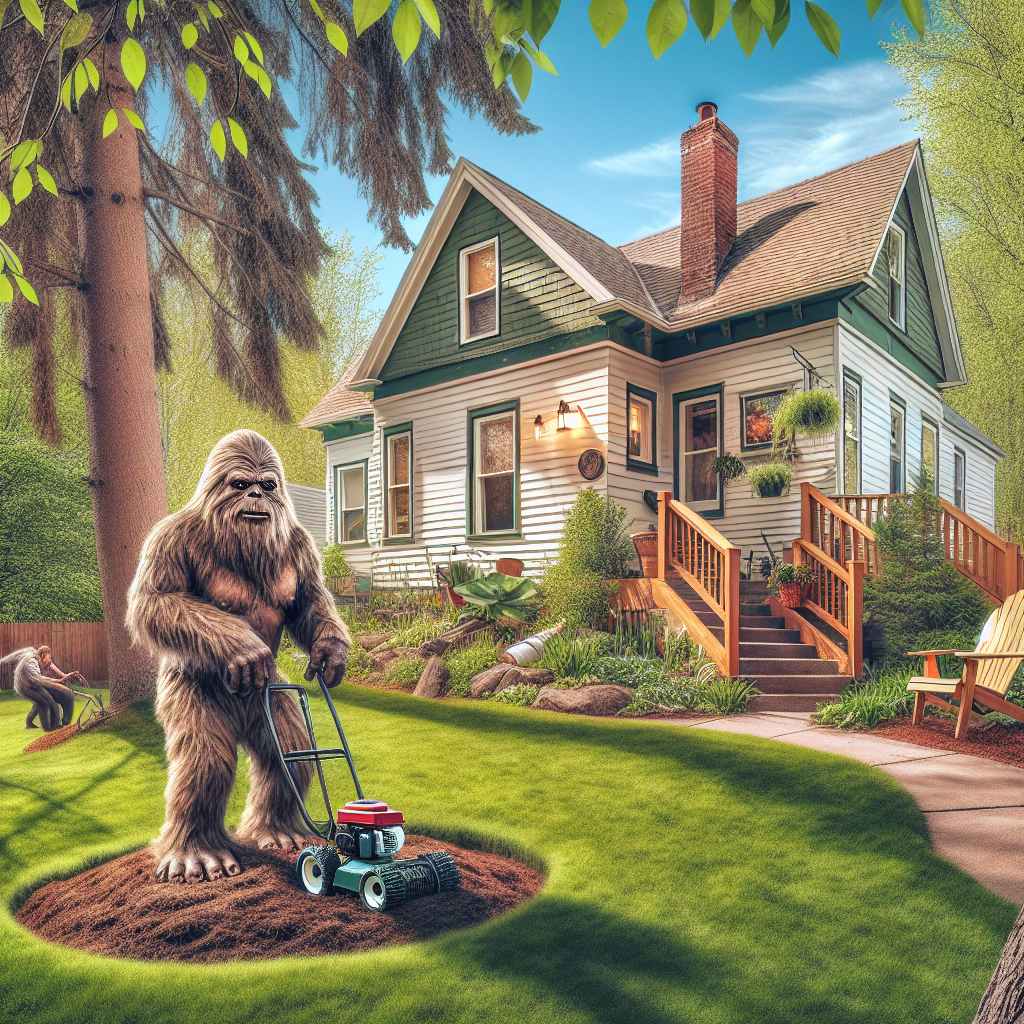
The Underground Problem You Can't See Until It's Too Late
Your lawn's soil is getting squeezed right now, and you probably don't even know it. Every footstep, every rain that packs things down, every winter's weight sitting there—it all compacts the earth underneath your grass until water can't drain, air can't reach the roots, and nutrients get stuck in traffic jams they'll never escape. Listen, I've watched this happen to lawns for longer than I care to admit, and the folks who wait until July to worry about it always end up calling someone to haul out a truck and spend two grand patching dead spots.
The good news is stupidly simple: spring lawn aeration costs maybe $150 to $300 to rent a machine, takes a Saturday afternoon, and prevents that whole nightmare.
Here's the thing—most homeowners don't aerate until the damage is visible. By then you've already lost density in your turf, your drainage is shot, and you're staring down grass seed germination rates that are basically coin flips.
Why Compacted Soil Costs You Money (And Grass)
Soil compaction isn't abstract. It's concrete. When earth gets packed down to about 85% of its ideal density, water stops moving through it the way nature intended. Instead of percolating down to feed roots, rain sits on the surface. It runs off into your gutters. Your grass gets waterlogged at the crown while the root zone below stays starved and bone-dry. Sound backwards? That's because it is.
A few summers back I watched a neighbor—nice guy, kept his edging sharp, took pride in the place—spend three weekends in June hand-seeding his lawn because he'd never aerated. The whole north side was just gone. Patches you could see from the street. He spent maybe $400 on premium seed and probably another $50 in water bills trying to make it germinate in summer heat. Never worked. Seed won't take when the soil underneath is locked up tighter than a tree knot. Come September he hired a crew to do a full renovation. That was real money.
He could have rented an aerator in March for three hours.
What Spring Lawn Aeration Actually Does
An aerator isn't complicated. It's basically a motorized machine with hollow tines that punch down into your soil, pull up small plugs of earth (usually about the size of your pinky finger), and leave them on the surface to break down. Those holes do three things at once:
- Crack compacted soil—The plugs that come out relieve pressure in the surrounding earth. Soil that was squeezed at 85% density starts breathing again.
- Open pathways for water—Lawn drainage problems disappear when water has somewhere to actually go. Roots get what they need instead of drowning or gasping.
- Feed grass seed germination—Those aeration holes are basically custom seed beds. If you overseed right after (and you should), new grass finds loose, rich soil that actually holds moisture and nutrients.
The old plugs sit there looking a little rough for a few weeks—I won't lie to you, your lawn looks kind of torn up for about 10 days. But by mid-April those cores break down, filter back into the soil, and you've got a lawn that can actually breathe.
The March Window (It's Real)
Timing in March isn't random. Cool-season grasses—which is basically everything growing in the Pacific Northwest—wake up right now. Their roots are starting to move, their shoots are thinking about growing, and they're genuinely interested in responding to good soil conditions. If you aerate now, by the time May heat starts creeping in, your grass has already started filling in those holes and deepening its root system.
Wait until May and you're aerating grass that's already transitioning into survival mode. Wait until July and you might as well skip it entirely. Fall aeration works okay, but spring is when your grass actually rewards the effort.
How to Actually Do This Without Wrecking Your Saturday
Most folks rent a walk-behind aerator from Home Depot or a local equipment rental place. You'll see two types: spike aerators (they poke holes) and core aerators (they pull plugs). Rent a core aerator. The spike ones compress soil further and basically defeat the purpose.
Here's the actual process:
- Mark any sprinkler heads or shallow utilities with flags so you don't mangle them
- Water your lawn the day before—soil should be moist enough to aerate cleanly, not waterlogged or powder-dry
- Make multiple passes, overlapping like you're mowing, until the whole lawn has decent coverage (two passes minimum, three if you've got heavy foot traffic zones)
- Leave the plugs. They'll break down in 3-4 weeks and filter back in. Yes, it looks weird. Yes, it's working.
- Overseed the same day if you want—those holes are open and ready
The whole job on a half-acre takes maybe 2-3 hours with a rented machine. Most garden centers will point you toward hiring a crew with fancy equipment—and look, it works fine, but you're mostly paying for the name and the convenience. You can do this yourself for the price of a rental and a couple hours of actual work.
What to Do After (The Overseeding Part)
Aeration alone helps. Aeration plus overseeding fixes thin turf. Right after you aerate, while those plugs are still sitting there and the soil is loose, spread quality seed. Perennial rye or tall fescue blends work great in the Northwest—look for something like Pennington Smart Seed or a regional blend from your local nursery. A 50-pound bag covers roughly 10,000 square feet, so do the math on your space.
Water gently for two weeks after seeding. You want consistent moisture without puddling. By early May, you'll start seeing green fill in those gaps where your lawn was thin. By June, you'll have density you didn't have before.
The Real Numbers
Let's be honest about the math. Core aeration machine rental: $150-$300. Grass seed for overseeding: $40-$80. Your labor: one Saturday afternoon. Total out-of-pocket for preventing lawn degradation: maybe $400 if you're thorough.
Professional renovation of dead patches and thin turf in late summer: $1,500-$2,500 minimum, plus all those water bills during the germination struggle.
I'm not bad at arithmetic, even if I do spend most of my time in the woods.
One More Thing About Drainage
If your lawn has actual wet spots that don't dry out within a day of rain, aeration helps but might not solve everything. You may have genuine drainage problems that need grading or a French drain system. But the first step—always—is fixing soil compaction. Most soggy lawns get better after aeration alone because water finally has somewhere to go instead of pooling on top of clay that's packed tight as concrete.
Get the aeration done this month. You're not just making your lawn greener—you're preventing the expensive mess that shows up in July when your neighbor's lawn is brown and yours is still thick and green. That's worth a Saturday and a couple hundred bucks.