
Spring Mulch Application Guide: Stop Wasting Money on the Wrong Type
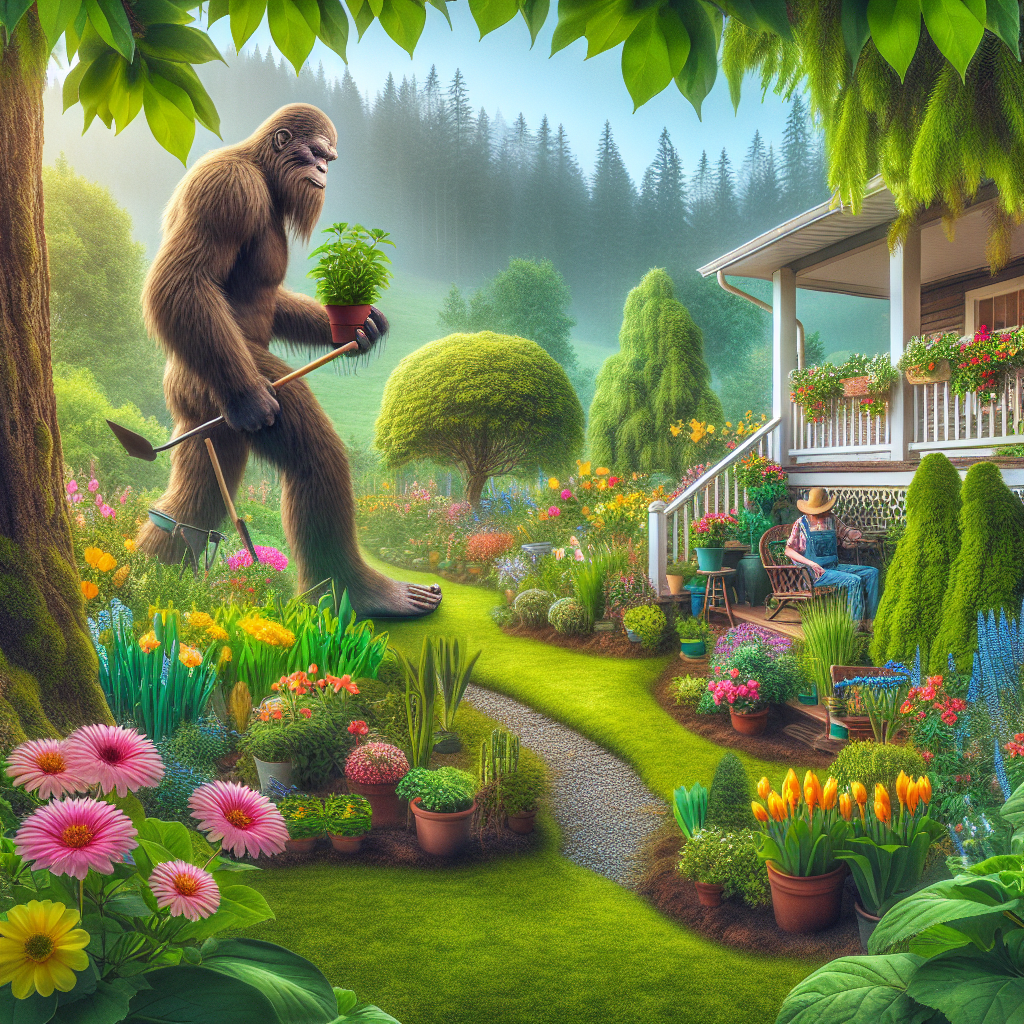
I've been watching humans futz with their garden beds for longer than I care to admit, and I'll tell you what—most of y'all are either buying too much mulch or the wrong kind entirely. You're spending money like it grows on trees, and then by July your beds look like they've been picked clean by crows. The difference between a mulched garden that thrives and one that's just a money pit comes down to three things: which type you choose, how deep you lay it down, and when you actually refresh it. Get those right, and your soil stays cool, weeds stay out, and you save yourself a trip to the garden center every other weekend.
The Real Problem With Most Spring Mulch Application
Here's what happens in spring. Garden centers load up their parking lots with pallets of mulch in every color you can imagine—red, black, brown, that unnaturally bright orange stuff that makes me squint from half a mile away. You see the pile, you think "I need some of that," and you load up your truck based on vibes. Then you dump it everywhere to a depth that looks right, which usually means too thick in some spots and barely covering the soil in others.
Most garden centers will point you toward whatever's cheapest that week—and look, it works fine, but you're mostly paying for the name and the color. What you actually need to understand is the difference between what's going to suppress weeds and retain moisture versus what's going to turn into a slimy mat or blow away when the wind picks up.
A few summers back I watched a neighbor spend three weekends laying down nearly eight inches of fresh wood chips because his previous batch had nearly disappeared. Turned out he'd chosen the wrong type in the first place, and he'd been rebuying the same mistake spring after spring.
Organic Versus Inorganic: What Actually Matters
Let's split this straight. Organic mulch means it came from something alive—wood chips, bark, shredded leaves, straw, grass clippings. Inorganic means stone, rubber, plastic sheeting. Each has a job, and neither is inherently wrong. Your job is picking the right one for what you're actually trying to do.
Organic mulch breaks down over time. That sounds bad until you realize it's actually improving your soil as it decomposes. Every spring, that decomposed mulch becomes organic matter—the stuff that holds water, feeds microbes, and makes soil actually useful instead of just a place to stick plants. The catch: it needs refreshing every couple of years, and cheaper varieties decompose faster. You get what you pay for.
Inorganic mulch sticks around. A bag of river rock or landscape fabric isn't going anywhere for a decade. It suppresses weeds, looks uniform, and requires less maintenance. The downside is it doesn't improve your soil, it heats up in summer (which roots hate), and it can trap moisture underneath where you don't want it. Not terrible—just different.
Which Mulch Types Actually Suppress Weeds and Last
Now here's the thing—not all organic mulch performs the same. Let me break down what actually works.
- Hardwood bark chips: Dense, dark, lasts 3–4 seasons. Suppresses weeds better than softwood because it's thicker and slower to break down. More expensive, but you won't be replacing it every year like some cheap stuff.
- Softwood chips (pine, fir): Lighter colored, breaks down faster (2–3 seasons), acidifies soil slightly, which some plants love and others hate. Cheaper upfront but you're buying again sooner.
- Shredded leaves: Free if you've got trees. Breaks down fast (one season), adds organic matter quick, but doesn't suppress weeds as aggressively. Mix it with something denser if you're serious about weed control.
- Straw: Not hay—straw. Hay has seeds; straw doesn't. Excellent for vegetable beds because it breaks down into the soil. Won't last long, but it was meant to be temporary anyway.
- River rock or gravel: Inorganic, permanent, zero organic benefit. Works in dry climates. In the Pacific Northwest, it traps moisture and encourages slugs. I see it and I know the person who laid it down didn't think it through.
If you want my honest opinion: hardwood bark chips are the sweet spot for most garden beds in spring. They're not the cheapest, but a 50-pound bag covers about 12–15 square feet at proper depth, and you're not replacing it come August.
How Much Mulch to Use: The Exact Depth That Actually Works
This is where people go wrong constantly. "How much mulch to use" isn't a guess—it's a measurement. Listen: the magic number is 2 to 3 inches.
Two inches is the minimum for effective weed suppression. You go less than that and you're wasting your money—weeds laugh right through it. Three inches is the maximum before you start smothering plant crowns and creating moisture problems that invite rot and fungus. Most folks either do too much (that eight-inch neighbor again) or too little and wonder why weeds are still poking through.
Here's how to measure. Grab a ruler or a stick. Poke it into your mulch bed. You want to see 2 to 3 inches of mulch resting on bare soil. Around trees, keep mulch 3 to 4 inches away from the trunk—direct contact with bark causes rot over time, and I've seen people pile mulch against trees like they're building a beaver dam. Trees don't appreciate that.
For a 100-square-foot garden bed at 2.5 inches deep, you're looking at roughly 20 cubic yards of mulch. Most bags are sold by the cubic foot, so do the math before you load your truck. One cubic yard of mulch is about 13 bags of what you find at a typical garden center.
Spring Application: Timing and Technique
March and April is prime time for spring mulch application in the Pacific Northwest. Soil has warmed enough that you're not trapping frost, but it's still cool and wet enough that the mulch will help retain moisture through the drying season ahead.
Before you lay down a single chip, clear out old mulch that's turned to soil or has become a slug hotel. Pull weeds. Rake the bed flat. If the soil is compacted, loosen the top couple inches with a fork. Mulch works best when it's got good soil underneath to do business with.
Spread mulch evenly across the bed. Don't dump it in a pile and push it around—that's how you end up with thin spots and thick spots. Use a mulch fork or even your hands to distribute it. Yes, your hands. Mulch doesn't bite, and your sense of touch will tell you when the depth is right better than eyeballing it ever will.
When to Refresh Your Beds
You don't need fresh mulch every year. You need it when the old stuff has decomposed, compacted, or started looking thin. For organic mulch, that's usually every 2 to 3 years depending on what type you used. Inorganic mulch can go 5–10 years before it needs attention.
Before you add new mulch on top of old, rake out any matted or slimy layer that's turned to compost. That decomposed stuff goes into the soil where it belongs, not under a new layer where it'll trap moisture. Then spread your fresh mulch to get back to that 2- to 3-inch depth.
Some folks top-dress mulch every spring. That's fine if you're just refreshing the color and adding a bit more depth. Just don't go over 3 inches total, or you'll run into the same problems we already talked about.
The real trick is not overthinking it. You've got a window in March and April when the soil is warm enough and the rain's still regular. Get your beds prepped, pick the right mulch type for what you're growing, spread it to 2 to 3 inches, and then leave it alone. Come back in two or three years and do it again. That's the whole system, and it works because it's simple and honest—no fancy tricks, just mulch doing what mulch is supposed to do.