
Spring Mulch Application: Stop Suffocating Your Plants (and Weeds)
I've watched the same mistake every April for the past twenty years. Homeowners—good people, well-intentioned—roll into the garden center in the first warm weekend of spring and load up the truck with bags of mulch like they're preparing for a siege. Then they come home and dump it on their beds five, six, sometimes eight inches deep. Root rot follows by July. Weeds pop up everywhere by June. And somehow it's the mulch's fault.
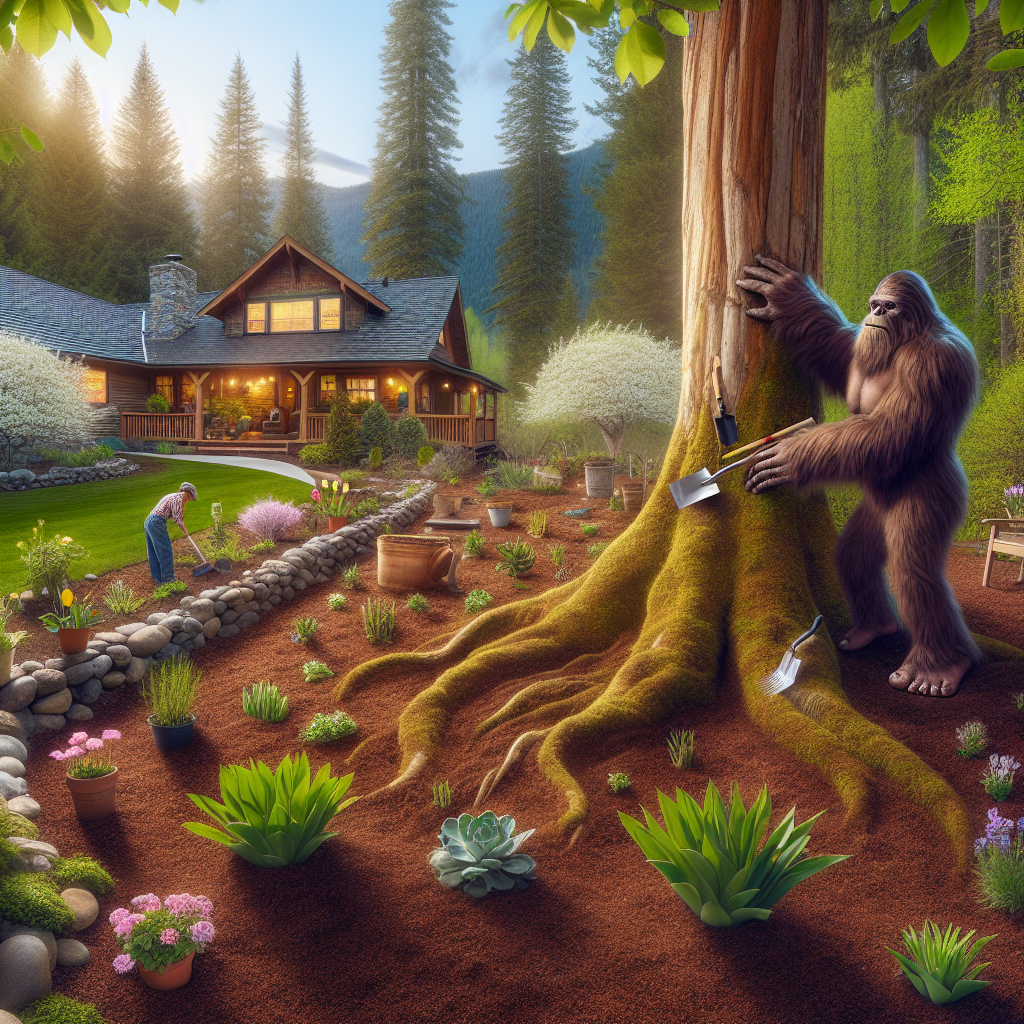
It's not the mulch's fault. Listen, I'm a seven-foot-tall cryptid with fur matting in places I don't want to discuss, and even I can get this right. Let me walk you through what actually works.
The Right Mulch Depth: Not as Much as You Think
Here's the thing: most landscaping mulch types perform best at a specific thickness, and that thickness is way less than people apply. You want two to three inches. That's it. Not four. Not five. Two to three.
Why? Because mulch's job is to suppress weeds, regulate soil temperature, and retain moisture—not to bury your plants alive. When you go deeper than three inches, you're creating a moisture barrier that sits right on top of the soil surface and the root collar (that's where the stems meet the earth). Roots need oxygen. Too much mulch blocks air exchange. You get fungal issues, root suffocation, and plants that mysteriously decline even though you think you're helping them.
A few summers back I watched a neighbor spend three weekends hauling premium cedar mulch to his rhododendron beds, piling it a solid six inches thick. Looked beautiful. Come September, every plant was struggling. The following spring, half of them didn't come back. He'd essentially made a wet blanket over the root system.
Measure it out. Use a ruler if you have to—no shame in that. Two inches is your baseline. Three inches if your soil is particularly sandy or your weed pressure is relentless. Anything more is ego, not horticulture.
Keep Mulch Away from Stems and Trunks
Now here's where folks really go sideways. Mulch should never touch the stem or trunk of your plant. Not even a little bit. Leave a two- to three-inch ring of bare soil right around the base. This is non-negotiable.
When mulch piles up against wood or soft tissue, you're creating a perfect environment for pests and disease. Voles burrow under deep mulch and girdle young trees. Fungi and bacteria love that warm, moist environment pressed right against plant tissue. You're inviting trouble.
I'll tell you what, most garden centers won't emphasize this enough because they want you to buy more mulch. But you're mostly paying for the name if you're loading it right up to the plant. Create that donut of bare earth. It looks intentional. It keeps your plants healthy.
Types That Actually Matter (And Which Ones Don't)
Walk into any landscape supply yard in April and you'll see cedar, hardwood, bark nuggets, shredded cypress, wood chips, dyed mulch, cocoa hulls. Let me cut through this.
- Hardwood mulch: Your workhorse. Breaks down slowly, suppresses weeds effectively, looks uniform. Dark color retains heat. Costs less than premium options. This is what the pros use on most residential jobs.
- Cedar or cypress: More expensive. Smells wonderful. Breaks down slightly slower than hardwood. Does offer some natural pest resistance, though not enough to justify the price difference for most people's gardens.
- Bark nuggets: Larger pieces. Float around when you water or it rains hard. Gaps between them let weeds through. I see folks use these, and I'm not against it, but for weed prevention mulch purposes, you're working harder than necessary.
- Dyed mulch: Pretty. Usually dark brown or black. Made from recycled construction materials and wood waste that's been colored. Perfectly functional. The dye fades over time, which bothers some people.
- Shredded leaves or compost: Great for soil structure, breaks down faster, less effective for weed suppression on its own. Better mixed with other mulch types.
For April landscaping mulch applications where your main goal is weed prevention and you're not trying to amend soil chemistry, hardwood mulch is your answer. A 50-pound bag covers about 10 square feet at a proper two-inch depth. Buy enough, measure your beds, don't guess.
April Timing and Application Technique
Mid-April is ideal in the Pacific Northwest. Soil has warmed, spring growth is underway, and you're getting ahead of the main weed germination cycle. You've got a window of about six weeks before summer really kicks in.
Here's the exact technique:
- Pull or remove existing weeds from the bed. Don't mulch over them. That's not weed prevention, that's just hiding the problem.
- Loosen the top inch of soil gently if it's compacted. You want mulch sitting on something porous, not pressed against hardpan.
- Lay down a biodegradable weed barrier if you're dealing with aggressive perennial weeds or particularly poor soil. Not necessary for most home gardens, but it helps.
- Spread your mulch to a consistent two to three inches. Use a garden fork or your hands (wear gloves—splinters are real). Avoid the stem zone entirely.
- Water it in lightly. Dry mulch will blow around. Wet mulch settles and stays put.
Don't overthink this. You're not performing surgery. You're creating a simple barrier between soil and air that suppresses weed seeds and keeps moisture consistent. Evenness matters more than perfection.
The Weed Prevention Part Actually Works
Now here's the thing: mulch doesn't kill weeds. It prevents them. Weed seeds need light to germinate. Two to three inches of mulch blocks that light. The ones that do push through are weak and pull out easily because they're in loose mulch, not compacted earth.
Back in my neck of the woods, I've watched the same beds over fifteen years. The ones that get proper spring mulch application in April have maybe 20 percent of the weed pressure of unmulched areas. Not zero—there's no silver bullet—but significant. Hand-pulling what does come up takes five minutes instead of an hour.
Refresh your mulch every year. It breaks down. Come next April, you'll need to add another inch or so to maintain depth. That's the rhythm. One application in spring keeps things under control all season.
One More Thing About Thickness
I keep hammering the two-to-three-inch guideline because I genuinely see it ignored constantly. Someone will tell you four inches is fine. It's not. Someone will ask about six inches for really stubborn weeds. Don't. More mulch is not the answer to weed problems—consistent, proper-depth mulch combined with occasional hand-pulling is.
If you find yourself needing six inches of mulch to suppress weeds, your actual problem is soil quality or drainage or sun exposure. Fix the underlying issue instead of burying it.
That's really the whole conversation. Two to three inches. Keep it off the stems. Choose a decent hardwood mulch. Do it in mid-April. Water it in. Done. You'll spend less time weeding come summer, your plants won't suffocate, and you'll actually see the difference.