
Spring Mulch Installation: Why You're Probably Doing It Wrong (And How to Fix It)
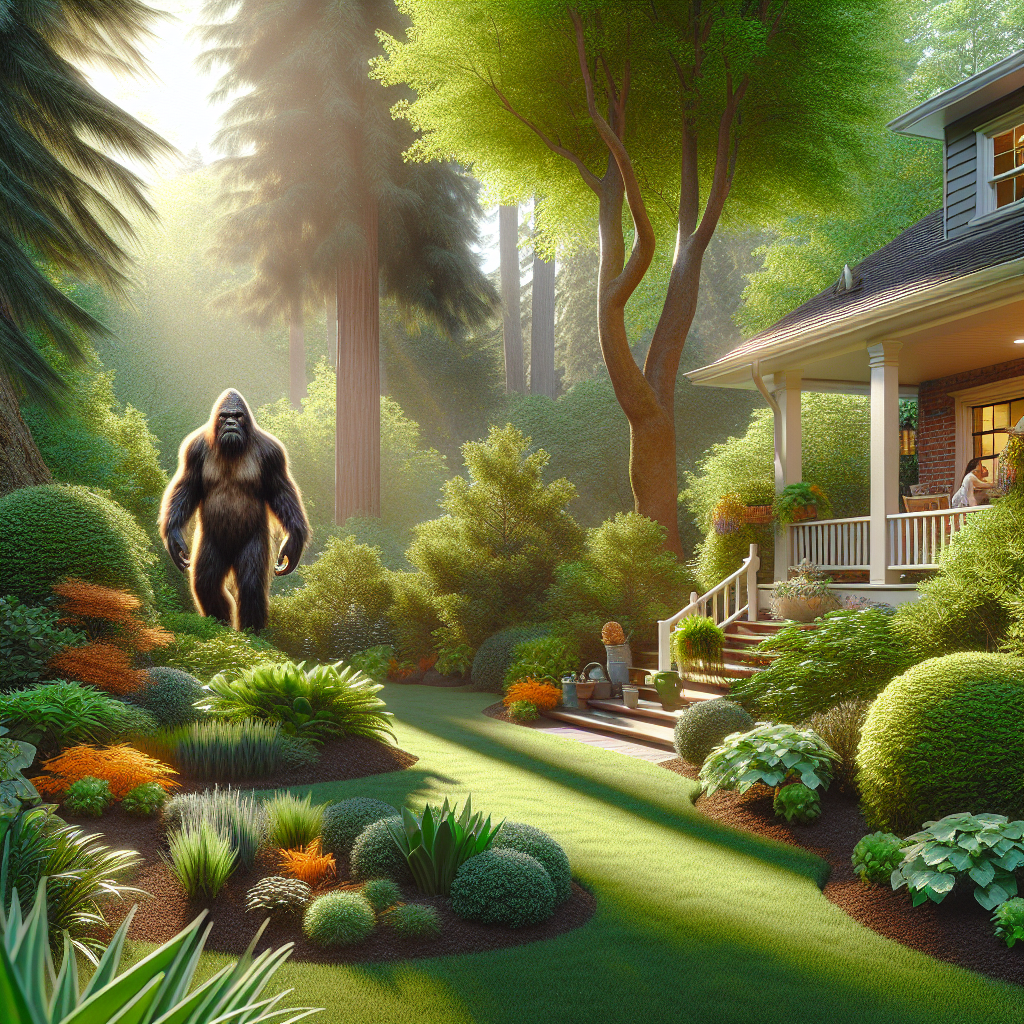
I've spent enough springs watching your yards from the tree line to know exactly what's about to happen. Late March rolls around, the sun gets warm, the soil thaws out, and suddenly there's a mad scramble for mulch. Bags and bags of it. Dump trucks showing up on driveways. And then—folks get after it with enthusiasm that'd make me proud if it wasn't, well, almost entirely misguided.
Listen, I'm not here to judge. I'm a seven-foot-tall covered in fur who knows the difference between cedar bark mulch and shredded hardwood. We all have our things. But I've watched too many of you kill perfectly good plants, trap moisture against tree trunks, and create perfect conditions for the exact fungal disasters you're trying to prevent. So let's talk about what actually works.
The 4-Inch Rule (And Why Nobody Follows It)
Here's the thing: most people think more mulch means better mulch. That's the biggest mistake I see, year after year. A few summers back I watched a neighbor spend three weekends hauling in bags, building what looked like a mulch volcano around his azalea bed. Eight inches deep. Maybe nine. The plants looked smothered by August. Rot started creeping up the stems by fall.
The right depth is 4 inches. That's it. Measured from ground level out to the edge of the mulch layer. Not packed down. Not fluffed up. Just 4 inches of settled material sitting there doing its job—regulating soil temperature, suppressing weeds, holding moisture in.
Why 4? Because anything deeper starts creating problems:
- It keeps the soil too wet, especially in spring when moisture is already heavy
- It traps heat against plant crowns and tree trunks, inviting fungal infection exactly when conditions are perfect for rot
- It prevents air circulation that roots actually need
- Weeds love having that much material to hide in
I'll tell you what really surprises people: if you measured your mulch layer from last spring, you probably have 2 to 3 inches by now. That's natural. Mulch breaks down. It compacts. So yes, you do need to add some fresh material. Just not a full 4 inches on top of what's already there.
Which Mulch Type Actually Stops Weeds
Most garden centers will point you toward whatever's on sale—and look, it works fine, but you're mostly paying for the name and the convenient bag size. Let me cut through that noise.
There are really two categories that matter for spring: wood chips and bark mulch. They're different animals.
Wood chips are your play if you want actual weed suppression and long-term soil improvement. They break down slower, they pack down better (without getting compacted into a water-resistant mat), and as they decompose over two to three seasons, they actually feed the soil with organic matter. Arborist wood chips—the stuff that's half bark, half wood, sometimes with leaves mixed in—are the gold standard. Yeah, they're less uniform looking. They might have bits of bark that feel rough. But they work. They break down right, they don't create fungal highways the way some mulches do, and they suppress weeds like you actually want them to.
Bark mulch is what you see bagged at every big box store. Shredded pine bark, cedar bark chips, the tidy stuff that looks neat for about three weeks. It's not bad, but here's what nobody mentions: it floats. When you water, especially in spring, that mulch tends to shift and settle unevenly. Plus it breaks down faster, which means you're buying new mulch every year instead of every couple years. Some folks swear by cedar for the smell and insect properties. Fine. But you're paying a premium for something that frankly looks pretty and that's about it.
Now, there's one more player: cocoa hull mulch. Smells like chocolate. Looks tidy. Attracts dogs like it's actual chocolate. I'd skip it if you've got pets or wildlife around. And honestly, it doesn't suppress weeds any better than bark mulch despite what the marketing says.
The Timing Thing That Keeps Fungal Issues Away
This is where being outside watching your yards for decades actually matters. Timing your spring mulch installation isn't random. It matters a lot.
You want to mulch after the soil has warmed up a bit—mid-March through early April if you're in the Pacific Northwest, adjust for your zone. Not February when everything's still soggy and frost is still possible. Not May when you're fighting the heat and humidity that accelerate fungal growth. Late March and April hit the sweet spot because the soil is thawed, starting to warm, but the air is still cool enough that the mulch won't trap heat and moisture against your plants like a wet blanket on a heating pad.
If you mulch too early (February), you're insulating wet, cold soil. That's fungal heaven. It's like creating a petri dish. If you wait too late (May-June), you're locking in heat and humidity. Same problem, different reason.
There's also the weed-timing angle. Spring weeds germinate when soil temps hit around 40°F consistently. If you get your mulch layer down in March, you're blocking light and creating a barrier right as those seeds start waking up. You catch them before they can establish. Wait until June, and you're smothering an already-existing weed problem instead of preventing one.
One more thing about spring timing: you want your mulch down before those afternoon watering runs start in earnest. Once you're watering regularly in late spring and early summer, adding fresh mulch becomes messier. It floats around. It shifts. Get it done in March and April, let everything settle, and by the time May heat comes, you've got a stable layer protecting your beds.
How to Actually Install It Without Making a Mess
Here's the practical part that nobody talks about. It's not complicated, but it does matter.
First: clear out old mulch that's compacted into a solid mat. You don't need to remove all of it—just break it up. A garden fork works fine. You're not trying to sterile your bed, you're just making sure air and water can move through what's already there.
Second: pull any existing weeds or vegetation. Mulch doesn't kill perennial weeds that are already established. It prevents new ones. If you're trying to smother a dandelion with mulch, you're in for a long slow battle.
Third: keep the mulch 6 inches away from tree trunks and shrub stems. This is non-negotiable. That gap isn't decoration. It's the difference between a healthy plant and one that rots from the crown up. I've seen people push mulch right up against stems and then act surprised when the plant dies. The mulch stays moist. The stem never dries out. Fungi move in. Plant dies. Every single time.
Fourth: spread your fresh mulch to that 4-inch depth, work it around your beds, and be done. Don't compress it. Don't pack it down. Let it settle naturally over the first week or two. If you're using wood chips versus bark mulch, the wood chips will settle into a nice firm layer on their own. Bark mulch might stay a bit fluffier—that's fine. It'll compact over time.
Last thing: if you're using bagged mulch, figure on needing roughly 3 cubic feet of mulch per 100 square feet of bed space at 4 inches deep. So a 50-pound bag of premium bark mulch covers about 15 to 20 square feet, depending on how settled it is. Bulk mulch is usually sold by the yard—one cubic yard covers about 80 square feet at 4 inches. Math it out before you buy. Nothing worse than stopping halfway through and having to run back out.
Your beds should look neat when you're done, not buried. The mulch is there to serve the plants, not showcase itself. If it looks like you dumped a mountain on your yard, you've done it wrong.
I'll be watching from the woods, and I guarantee by August you'll either be glad you got this right or you'll be back out here trying to salvage plants. Might as well do it once.