
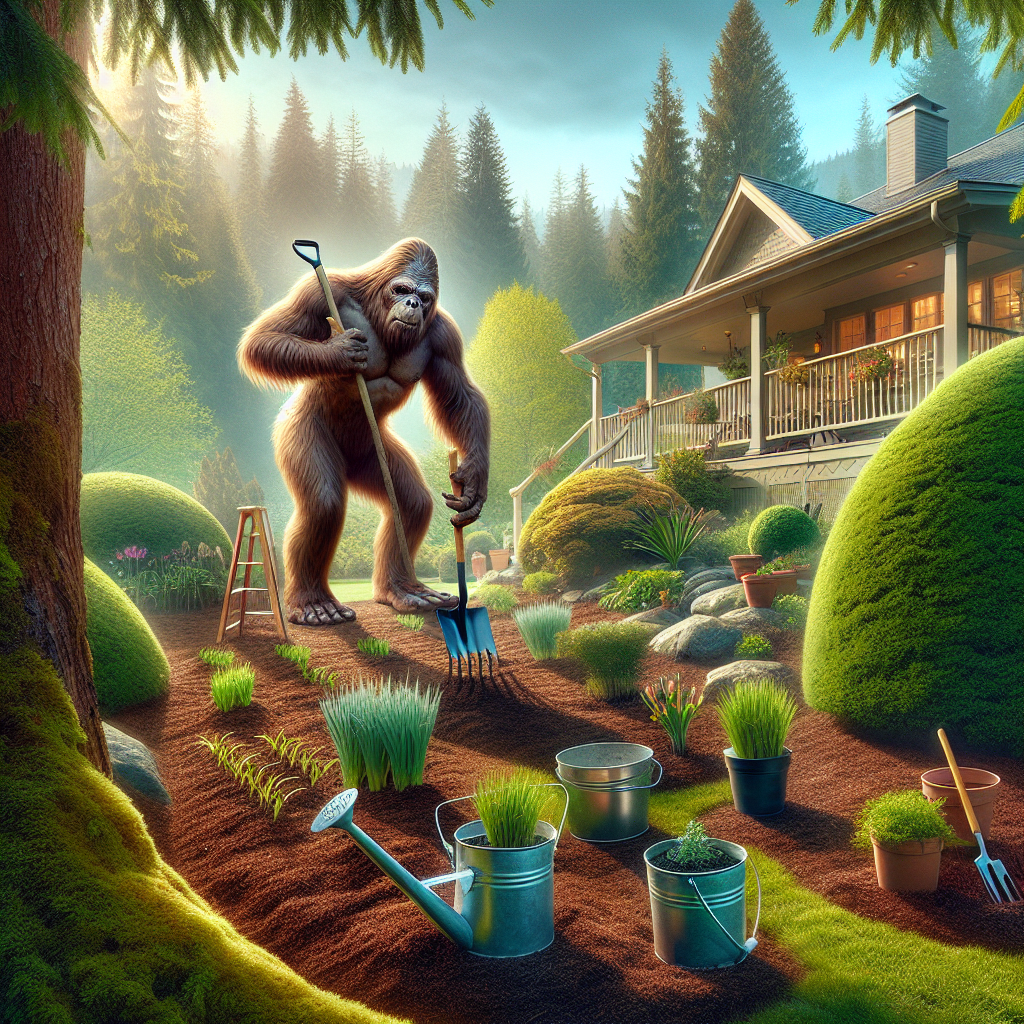
Spring Mulching Done Right: The Exact Depth, Materials & Timing to Kill Weeds Without Killing Roots
I've spent forty years watching people mulch their gardens wrong, and let me tell you, it's a split decision between two camps. One group spreads mulch so thin you can practically see the soil underneath by June. The other dumps it on like they're trying to bury a time capsule. Listen, there's a reason weeds win in one scenario and roots rot in the other. It's not random. It's math.
The sweet spot for spring mulching sits at a very specific depth, and the window to get it down is happening right now—March through April. Miss it, and you're fighting an uphill battle when July heat cranks up and dormant weed seeds decide it's their year to shine.
The Goldilocks Zone: How Deep Should Mulch Really Go?
Here's the thing: most sources will tell you 2 to 3 inches, and they're not wrong. But that number only works if you actually understand what's happening underneath. That 2- to 3-inch layer creates a physical barrier that blocks light from reaching weed seeds. No light, no germination. It's elegant and it works.
Now, I'll tell you what I've observed over the decades—folks either interpret this as "pile it to 5 inches to be safe" or "3 inches sounds like a lot, so I'll do 1." Both are mistakes. At 1 inch, weeds will push through. At 5 inches, you're suffocating the soil surface and trapping moisture against the stems of your shrubs and trees. That's how you get root rot, fungal issues, and angry plants.
The measurement matters because of what happens at the soil surface. Your mulch needs to touch the ground—that's where the weed suppression happens. It needs to stay away from plant stems and trunks, though. Leave about 3 inches of clearance around trees and 1 to 2 inches around shrubs and perennials. Think of it as a donut, not a volcano. You're not building a mulch volcano. (Yes, people do this all the time, and it drives me up a tree.)
Which Mulch Types Actually Deliver on Weed Suppression
Not all mulch is created equal, and most garden centers will point you toward whatever they've got on sale—and look, it works fine, but you're mostly paying for the name and the bag. Let me break down what I've learned actually matters.
Hardwood mulch is what I recommend most often. It's typically shredded bark from oak, maple, or hickory. It breaks down slower than softwood, which means it holds its weed-blocking properties longer. A 2-cubic-yard delivery will cover roughly 100 square feet at 3 inches deep. It also looks finished and natural in a garden bed. A few summers back I watched a neighbor spend three weekends hand-pulling weeds from a bed mulched with cheap softwood bark—cheap softwood breaks down fast, sometimes within a season, and when it does, weeds have a clear runway.
Shredded bark (fir or pine) is lighter and works fine if you refresh it annually. It's cheaper than hardwood, which appeals to budget-conscious folks. Just know you'll be reapplying it sooner.
Wood chips are coarser and better for pathways than planting beds. They don't compact as much, but they also don't suppress weeds quite as reliably because light can slip through the gaps.
Stay away from dyed mulch unless you've got a specific aesthetic reason. The dyes aren't toxic, but they're unnecessary, and you're paying extra for color that'll fade by midsummer anyway.
- Arborist chips: Free or cheap, variable quality, excellent for informal beds if you don't mind coarseness
- Aged wood fiber: Finely ground, excellent weed suppression, slightly pricier but worth it for ornamental beds
- Straw: Good for vegetable gardens if it's certified weed-free; regular straw introduces new weed seeds—I've seen people learn this the hard way
- Pine needles: Work great for acid-loving plants (azaleas, blueberries), but they acidify soil over time, so don't use them everywhere
Why Timing Matters More Than Most People Realize
You want to mulch in spring after the soil has warmed a bit—roughly when daytime temperatures consistently hit the 50s and 60s. Back in my neck of the woods, that's late March through April. Too early, and you're trapping cold in the soil. Too late, and you're gambling with an explosion of early weeds that'll be established before your mulch layer blocks new germination.
Spring mulching gives you two wins. One: you suppress weeds before the heat of summer gives them ideal growing conditions. Two: you help the soil retain moisture when plants are actively growing and drinking water. By July, when heat and drought stress the landscape, you've already got your defense in place.
The other reason to hit March and April: this is when most perennials are just starting to emerge, and shrubs are leafing out. You can see clearly what you're working with. In fall, folks sometimes mulch half-buried plants or around crowns they can't quite see in the fading light. Spring clarity matters.
Root Rot Prevention: What Happens When You Get Mulch Depth Wrong
Root rot isn't mysterious. It's just what happens when soil stays saturated and oxygen can't reach roots. Mulch holds moisture—that's one of its jobs. But if your mulch is too deep and piled against plant stems, water gets trapped against bark and wood. Fungal diseases move in. Bark softens. Roots don't get oxygen. The plant dies slowly over a season or two, and people blame the plant.
Listen, I've seen Japanese maple trees that were thriving suddenly decline after someone mulched them to 5 inches thick and pressed it right up against the trunk. The tree looked fine on top, but underneath it was rotting. This is preventable.
The solution is simple: maintain that clearance. 3 inches around tree trunks, 1 to 2 inches around shrubs and perennials. Let air circulate. Let soil breathe. Refresh mulch annually by raking back what's there and adding a fresh 1-inch layer. This keeps your depth consistent without compounding over years.
The Real Work Happens Before the Mulch Goes Down
You can't mulch your way out of existing weeds. If you lay 3 inches of hardwood mulch over an actively weedy bed, you're just burying them. They'll push through. Pull or kill existing weeds first—either by hand, shallow digging, or a pre-emergent herbicide like Preen applied to bare soil a week before mulching. Then apply your mulch.
Same goes for soil prep. If your beds are compacted clay, loosen them. If they're depleted, work in some compost. Mulch works best on soil that's in reasonable shape. It's not a magic fix for everything else you didn't do right.
One more thing: if you've got perennials that self-seed (coneflowers, black-eyed Susans, creeping phlox), mulching does suppress some seedlings. If you rely on those self-seeders to fill space, leave small pockets unmulched or accept that you'll have fewer volunteers. It's a trade-off between automatic weeds and automatic color.
The math is straightforward, the timing is now, and the depth is non-negotiable. Get those three pieces right in March and April, and you'll spend your summer weeding once a month instead of once a week. That's worth an afternoon with a wheelbarrow.