
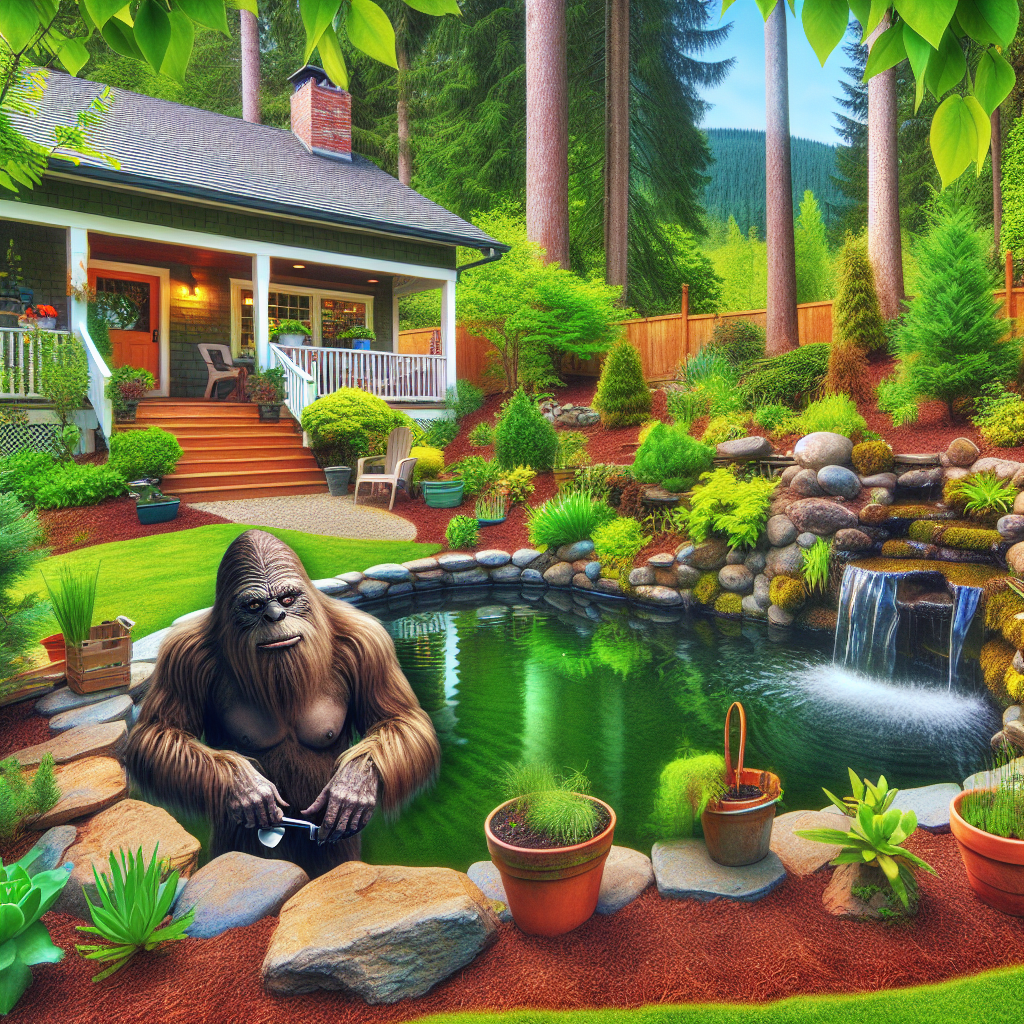
Spring Pond Installation: Build Your First Backyard Water Feature Without Draining Your Wallet
Look, March is knocking on the door, and if you've been thinking about putting a pond in your backyard, this is the moment. Water tables are high, the soil isn't baked hard, and you've got a solid four to six weeks before algae blooms turn your dream water feature into a green soup nightmare. I've watched a few summers pass from the tree line, and I can tell you: most people who wait until June or July end up fighting an uphill battle they could've avoided entirely.
The good news? You don't need to spend five figures or hire someone with a degree in hydrology. A functional backyard pond installation can happen on a reasonable budget if you know where to spend and where to cut corners. Now here's the thing—cutting corners and cutting smart are two different animals, and I'm going to walk you through both.
Why Spring Is Your Window
Spring water feature setup isn't just convenient. It's actually the season when everything works in your favor. Your water table is naturally higher thanks to snowmelt and rain, which means less pumping to fill your pond and more stability once it's in. Established plants haven't leafed out yet, so you can see what you're clearing. Algae spores are still dormant. And frankly, the weather's cool enough that you won't be digging in ninety-degree heat while wearing a fur coat the size of a sleeping bag.
If you install now and let your system run through April and May, you're giving beneficial bacteria colonies time to establish before summer stress hits. Those microbes are doing unpaid labor for you—might as well let them get comfortable.
The Basic Setup: What You're Actually Building
Before we talk money, let's be clear about what a small water garden looks like. I'm talking about a pond somewhere between 100 and 300 gallons—big enough to matter, small enough that you're not taking out a second mortgage. This size works for water lilies, a handful of fish if you want them, and a filter system that won't run your electric bill up like you're mining bitcoin.
Your pond needs three things to survive:
- A waterproof barrier (the pond liner)
- Circulation and filtration (pump and filter)
- Surface area and depth (you can't just dig a hole and call it done)
Everything else is detail work.
The Liner: Where Most People Get Confused About Cost
I'll tell you what—this is where the confusion starts. You'll walk into a garden center and see EPDM rubber liner quoted at anywhere from $0.75 to $2.50 per square foot depending on thickness and brand. Listen, that price variance isn't magic. It's mostly about durability versus what you actually need.
For a small backyard pond that's not going to host koi tournaments, a 45-mil EPDM liner will outlast you. For a 150-square-foot pond, you're looking at roughly $150 to $250 for the liner itself. Thicker isn't always better when it comes to your wallet—45-mil is the sweet spot between puncture resistance and cost.
Most garden centers will point you toward the premium brands with the warranty branding all over the package. They work fine, but you're mostly paying for the name and the customer service guarantee. A no-name 45-mil EPDM from a landscape supplier will perform identically after year five. Save sixty dollars and spend it on underlayment instead.
Underlayment matters more than people think. A $20 roll of felt underlayment under your liner prevents root punctures and rough concrete from tearing your investment. I watched a neighbor spend three weekends fighting a slow leak one August, only to discover a sharp stone under the liner doing the damage the whole time. He'd skipped the underlayment to save eight bucks.
Digging and Shaping: The Part That Actually Takes Work
Now you've got to break ground. A 150-square-foot pond roughly 2 feet deep is manageable for a weekend with a couple of helpers and a shovel. If you're going bigger, rent a small excavator for a day—$300 to $400 beats doing it by hand and spending six weekends with a blistered back.
Depth matters more than area. Two feet is your minimum if you want fish, because that's deep enough they won't turn to fish soup when summer hits. Shallower than that and you're managing a bog, not a pond.
Create a shallow shelf around the perimeter—say, 12 inches deep and about 18 inches wide. This is where you sit your potted marginal plants (water iris, pickerel rush, that sort of thing). It looks intentional, serves a purpose, and makes the whole thing feel less like an accident.
The Filter System: Don't Cheap Out Here
Back in my neck of the woods, I've seen people install beautiful ponds and then skip the filtration because they didn't want to spend $400 on a koi pond filter system. Those same ponds turned green by late June. A filter isn't optional—it's the difference between a water feature and a mosquito breeding ground.
You've got two basic approaches: mechanical filtration (which catches particles) and biological filtration (which lets bacteria eat the waste). Most setups combine both. For a 200-gallon pond, a compact unit like the Oase BioSmart or a DIY setup with a small pump (2000 GPH) and a basic biofilter box runs $300 to $500 total. That's not nothing, but it's less than a decent garden patio set, and it actually works.
The pump matters too. Match it to your pond volume—roughly one complete water turnover every two hours. A 200-gallon pond needs about a 1500-2000 GPH pump. Buy one too small and you're just circulating the same tired water. Buy one too large and you're wasting electricity without any benefit. The math is simple, and you shouldn't overthink it.
Water Plants and Stocking: The Living Parts
Early spring is exactly when you should be adding water lilies and marginals. Hardy varieties are emerging from dormancy now, and you'll find better selection. A couple of water lilies (try 'Attraction' or 'Pygmaea Helvola' depending on your space) will run $25 to $50 each. Marginal plants—pickerel rush, water iris, horsetail—add vertical interest and filter the water. Budget $15 to $30 per plant, and plant them on that shelf you created.
Fish? That's optional, but listen: wait two weeks after you fill the pond before adding anything. Let the filter colonize bacteria. If you do add fish, go slow. Five or six small goldfish in a 200-gallon pond is plenty. More than that and you're creating a feeding problem for your filter system.
Real Budget Breakdown for a 150-Square-Foot Pond
Here's what you're actually spending if you do this smart:
- Pond liner (45-mil EPDM): $175
- Underlayment felt: $20
- Pump (2000 GPH): $120
- Filter box setup: $150
- Tubing, fittings, and miscellaneous: $80
- Plants (4-5 varieties): $100
- Edging stone or landscape border: $100
- Total: around $745
Could you spend less? Sure. Could you spend more? Absolutely—I've seen people drop $3,000 on a setup that's only twice as nice. This middle ground gives you something that actually functions and looks intentional without financing a small car.
Common Mistakes That Cost Real Money
Folks make the same errors every spring, and most of them are preventable. Digging without a plan leads to reshaping and wasted liner. Skipping the overflow drain means summer rains top your pond over into your yard. Starting fish too early before the filter's ready causes die-offs and frustrated emails. Not cleaning the area under your liner leads to punctures from below.
The biggest one, though? Undersizing the pump or filter thinking you'll "upgrade later." You won't. You'll live with murky water and algae for two years, then give up.
Getting It Done Before Algae Season
The window closes in about six weeks. March and early April are your shot at installation while conditions are ideal. Start planning now if you haven't already—order your liner while stock is good, figure out where the pond's going, and clear the area. Even a slow start now beats a rushed panic in May when every garden center is picked clean.
A properly installed pond with decent filtration running by late April will have a solid head start on summer. Your water will clear naturally, your plants will establish, and your fish—if you add any—will thrive instead of struggle. That's worth the weekend of work and the reasonable budget you're spending.
Get it done right the first time. You'll be looking at that pond for years, and I guarantee you'll be glad you took the extra hour to do the underlayment properly or spent a little more on the filter. The regret of cutting corners shows up every single summer after that.