
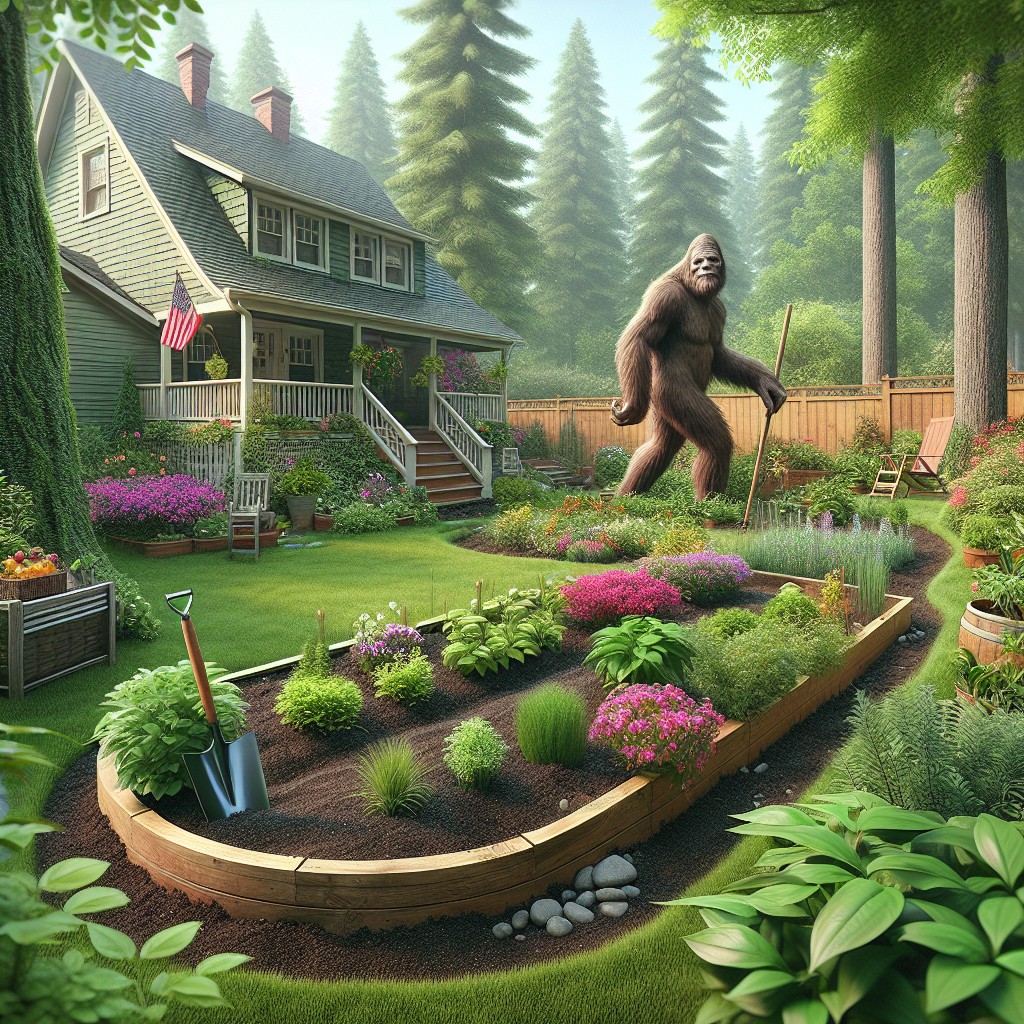
Spring Raised Garden Bed Setup: Willy's Soil Mix, Drainage & Spacing Blueprint
Listen, I've been watching people build raised garden beds from the edge of the forest for longer than I care to admit, and I'll tell you what: most of them get three things catastrophically wrong. They skimp on drainage. They use the wrong soil mix. And they cram their beds so close together that by July, nothing's getting air, nothing's getting light, and everything's moldy. Then they blame the weather.
Spring's the right time to get this right. Not June. Not when you panic because the season's slipping away. Now. And if you do it properly, you'll spend a little more on the front end—maybe an extra $40 or $60 per bed—but you'll pull out three times what you would've otherwise. That's not a guess. That's observation.
Start With the Right Dimensions
A raised garden bed should be at least 24 inches deep. I know some folks get by with 18, and maybe they do fine with shallow-rooted lettuce and herbs. But if you want tomatoes, peppers, carrots, or anything with actual depth to it, 24 inches is your baseline. Go to 30 inches if your back can handle it and you've got the budget.
Width matters more than people think. A standard bed is 4 feet wide and 8 feet long. Why? Because you can reach into the middle from either side without stepping in and compacting your soil. That's it. That's the entire reason. A few summers back I watched a neighbor build a 5-foot-wide bed and spend the whole season awkwardly stretching over the middle, eventually stepping in and destroying half the root structure. He learned. You don't have to.
If you're building multiple beds, space them 3 feet apart, center to center. This gives you a comfortable 2-foot walking path between beds. That path? It'll save your back. It'll let you get a wheelbarrow in there. It'll keep air flowing, which keeps disease down. Small detail. Massive impact.
The Soil Mix That Actually Works
Now here's the thing about vegetable garden bed soil mix: most garden centers will point you toward their premium "garden soil blend" in those big bags, and look, it works fine, but you're mostly paying for the name and the convenience. Build it yourself. You'll spend less and know exactly what's going in.
For a standard 4x8x24-inch raised bed, you need 64 cubic feet of soil. That sounds like a lot because it is. Here's what goes into it:
- 40% topsoil — 25.6 cubic feet. Get a decent topsoil from a landscape supply place, not bagged grocery store stuff. It should be dark, crumbly, and smell earthy. A cubic yard is 27 cubic feet and costs about $35–$50 delivered. You'll need just under one cubic yard.
- 40% compost — 25.6 cubic feet. Mix of aged hardwood and kitchen compost. You can buy this in bulk (roughly $40–$60 per cubic yard) or use your own if you've been composting. Either way, this is where the fertility lives.
- 20% drainage amendment — 12.8 cubic feet. This is perlite, coarse peat moss, or a blend. Perlite drains fast and stays light; peat moss breaks down but holds some moisture. I like a 50/50 blend. Buy a 4-cubic-foot bale of perlite ($25–$35) and a bale of peat ($20–$30). You'll have enough for two beds.
Mix these in a pile before you fill the bed. Don't layer them. Layering is a myth that dies hard. You want a uniform blend from top to bottom.
Drainage: The Part Nobody Wants to Talk About
A raised bed drainage system starts before you ever add soil. The bed itself needs a bottom. Not a solid concrete bottom—that defeats the purpose. But a hardware cloth or perforated landscape fabric layer that keeps burrowing varmints out while letting water through. Get a roll of 1/4-inch hardware cloth ($30–$40) and staple it to the underside of the frame before you set it down on your garden site.
Then, if your yard tends to stay wet—clay soil, low spot, that kind of thing—you need a French drain running under the bed. Dig a shallow trench (4–6 inches deep) running the length of the bed's long side. Lay down perforated drainage pipe (PVC, $20–$30 for 10 feet). Cover it with landscape fabric so soil doesn't clog it. Then backfill. Run the other end toward a downslope or rain barrel. Water moves. Your plants don't sit in mush.
Most yards don't need this. But if you're in the Pacific Northwest like I am—or anywhere else where spring means three weeks of solid rain—this keeps your whole season from turning into a rot festival.
Spacing, Sunlight & Air Flow
Plant spacing inside the bed matters, but it's less controversial than people make it. Follow the seed packet or nursery tag. The only time to deviate is if you're going for baby greens or microgreens, and that's a different conversation.
What does matter is that your beds themselves sit in at least 6–8 hours of direct sunlight. I see folks put beds in dappled afternoon shade because that's where there's open ground, and then they wonder why their tomatoes are mealy and weak. Tomatoes, peppers, and squash especially need full sun. Leafy greens and root vegetables tolerate partial shade better, but they don't prefer it.
Orient long beds north-south if you can. This way, nothing shades anything else as the sun moves through the day. East-west works in a pinch, but watch your tall plants—put them on the north end so they don't cast shade on shorter neighbors.
Material Cost Breakdown & Timeline
Let's talk money straight. Here's what a single 4x8x24-inch bed costs you from scratch:
- Untreated cedar or composite frame kit: $80–$120
- Hardware cloth: $8–$10 (your portion of a roll)
- Topsoil: $40–$50
- Compost: $40–$60
- Perlite & peat: $50–$80
- Landscape fabric: $10–$15
- Drainage pipe (if needed): $20–$30
Total: roughly $250–$365 per bed.
ROI timeline depends on what you grow. A bed full of heirloom tomatoes, peppers, and basil can yield $400–$600 worth of produce over a season if you're buying that stuff at farmers market prices. Even half that—$200–$300—pays for the bed in one year. The frame lasts 10 years minimum. Do the math.
You'll see harvestable vegetables in 6–8 weeks. That's late May or early June if you plant in March. Real yields hit in July through September. Peak production is August. If you're doing succession plantings (starting cool-season crops again in late July), you're harvesting into November.
One Last Thing
Build your beds in early March so the soil has time to settle and the ecosystem can start establishing before you plant. A bed that's been sitting for three weeks is better than one you fill and plant the same day. The compost and soil particles need to marry up. Microbes need to move in. It's not magic. It's just how dirt works.
And get your soil tested if you're serious about this. Twenty bucks to your local extension office. They'll tell you your pH, your nutrient levels, what you actually need to add. Beats guessing.