
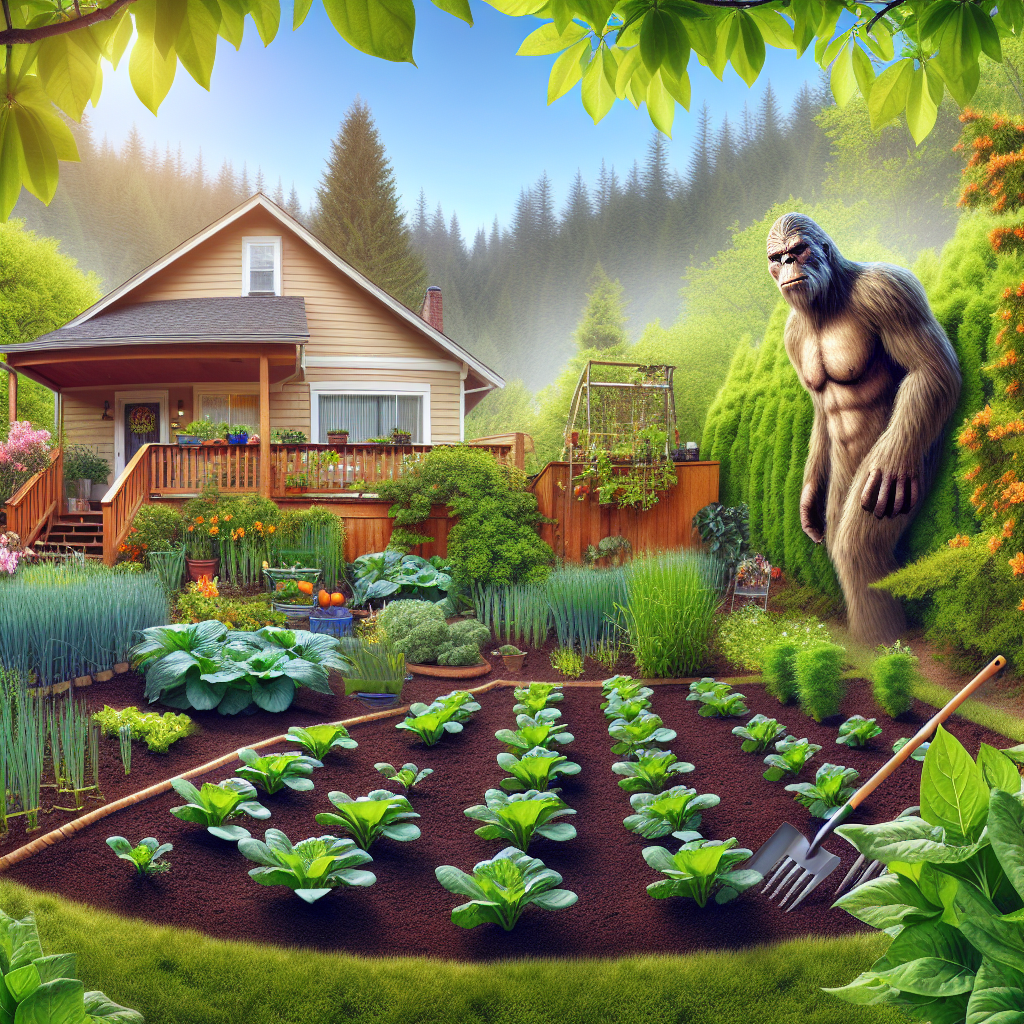
Stop Overcrowding Your Garden Beds Before You Even Plant
Most folks cram their gardens too tight and then blame the weather when half their plants get leggy or diseased. I'll tell you what — I've watched this happen for thirty years from the tree line, and it's always the same story. Someone gets excited in March, sees a packet of seeds, and thinks "I'll just squeeze in a few more rows." Then July hits and nothing gets proper air circulation.
The truth is simpler than you'd think. Plants need space the same way you need space in a crowded room. They need light to hit all the leaves, not just the top ones. They need air to move around their stems so fungal problems don't settle in. And their roots need soil to themselves, not fighting three other root systems for water and nutrients.
That's where a solid vegetable garden spacing chart becomes your actual best friend. Not some Pinterest board that looks pretty but ignores reality. Real measurements. Real plant varieties. Real space between rows.
The Exact Spacing Measurements You Need Right Now
Let's talk distances. These aren't suggestions — they're minimums based on how big each plant actually gets when it's healthy and happy.
Leafy greens (lettuce, spinach, arugula): 6 inches apart. Sounds close, but these plants don't get huge. Direct seed them or transplant at that spacing and you'll get full heads instead of spindly sickly things.
Brassicas (broccoli, cabbage, kale): 18 to 24 inches. I know that looks sparse when you're standing there with a transplant in each hand. Plant them anyway. A mature broccoli crown takes up real estate, and cramming them means you get smaller heads and powder mildew moves in like it owns the place.
Beans (bush and pole): 4 to 6 inches for bush varieties, 8 inches for pole. Beans want airflow. Good airflow stops rust and spider mites before they start.
Peas: 2 to 3 inches apart if you're direct seeding. Yes, that tight. They're skinny and they climb or bush up vertically, not out.
Tomatoes (indeterminate): 24 to 36 inches. Determinate (bush types) can live at 18 inches, but indeterminate vines will shade each other and split like crazy if they're packed too close. I've seen folks lose entire harvests to early blight because their tomatoes were touching shoulder to shoulder.
Peppers: 18 inches minimum. Bell peppers especially need light hitting those developing fruits or you get slow ripening and thin-walled peppers nobody wants.
Root crops (carrots, beets, radishes): Direct seed at the spacing on the packet (usually 2 to 3 inches), then thin seedlings when they're an inch tall. That second step is where most people fail — they don't want to pull perfectly good plants. Pull them anyway. The crowded ones won't size up right.
Squash and cucumbers: 12 inches in rows for bush varieties, 18 inches for vining types. Vines sprawl. Let them sprawl. Crowding them creates humidity and mildew will move in like a bad houseguest.
Companion Planting That Actually Prevents Problems
Now here's the thing — spacing is half the battle. The other half is what you plant next to what. Companion planting spring gardens isn't magic, but it's close enough that I'll call it that.
The real benefit isn't some mystical plant communication (though wouldn't that be something). It's practical: some plants attract beneficial insects that eat pests, some plants repel the bad bugs their neighbors hate, and some plants use different soil depths so they're not competing as much.
Tomatoes + basil. Plant basil 12 inches from tomato stems. Basil repels whiteflies and spider mites. Plus you get fresh basil while you're waiting for fruit. That's just good gardening.
Brassicas + thyme or sage. Both herbs deter cabbage moths. I've seen gardens where thyme was planted as a border around a bed of broccoli and cauliflower — maybe 6 inches apart between the herbs and the vegetables. The cabbage moth pressure dropped noticeably. The gardener didn't mention it, but I was watching from the woods and I noticed.
Carrots + onions. 18 inches between rows. Onions repel carrot rust flies. Carrots don't bother onions. It's a quiet, helpful friendship.
Beans + corn + squash. This is the famous "three sisters" combo and it absolutely works if you space it right. Corn at 12 inches apart for support, beans at 6 inches around the corn (beans climb), squash at 24 inches out from the corn circle, sprawling outward. The bean roots fix nitrogen that corn and squash both want. Squash shades the soil, keeping it cooler and retaining moisture. It works because they're not competing — they're using different resources at different heights and depths.
Lettuce + taller crops. Plant lettuce under the shade of tomatoes or peppers once they're established. Lettuce loves partial shade in late spring and early summer when full sun would make it bolt. 6 inches from the base of each tomato or pepper stem is tight enough to give shade without competing for root space.
Garden Bed Layout Planning for Maximum Yield in Small Spaces
Most home gardens aren't big. They're not supposed to be. But small doesn't mean you get less food — it means you have to be intentional about your garden bed layout planning. Every square inch counts.
Start by drawing your bed to scale on paper. Use a pencil. You're going to erase this a few times. Measure your actual bed dimensions — let's say it's 4 feet by 8 feet, which is standard.
Now map it. Don't cram everything into rows running the long way. Run your rows perpendicular to where you'll stand and work. This lets you reach the middle without stepping on the soil. If you're 5 feet tall and your bed is 4 feet wide, you can barely reach 2 feet in from the edge without bending weird.
For a 4x8 bed, I'd suggest three rows running the 8-foot direction: one row down each side, one down the middle. That gives you roughly two feet of width per section. This is where your vegetable garden spacing chart helps — a row of tomatoes 24 inches apart down one side, a row of basil 12 inches apart down another side, beans at 6 inches in the middle row. You're using density smartly, not just cramming.
If you want to maximize small garden space further, succession plant. A 4x8 bed can give you three harvests of lettuce from the same spot if you plant it every two weeks from March through May. Plant spinach in February, harvest by late April, plant beans in that same spot in May, harvest by August. One bed. Three crops. Different spacing each time because different plants.
The Printable Garden Layout Templates You Actually Need
I know I'm a seven-foot-tall cryptid made mostly of dark fur and questionable life choices, so take this with a grain of salt: the best garden layout template is the one you'll actually use. A printable PDF sitting in a folder on your computer doesn't help anyone.
What helps: paper, pencil, your garden bed dimensions, and a copy of the spacing guide I've laid out here. That's it. You don't need some fancy software. You need to think through what grows well together, space it right, and remember next year what worked.
Most garden centers will point you toward specialized garden planning apps — and look, they work fine, but you're mostly paying for convenience and pretty graphics. A blank grid with your bed drawn to scale does the same thing for free.
Draw your space. Sketch vegetables to actual size using the measurements I've given you. If a tomato needs 24 inches, make a circle 24 inches wide on your plan. Can you fit three tomatoes in your 4-foot-wide bed at 24 inches each? No. So plan for two. This visual approach keeps you from the spreadsheet mistake of thinking you can fit twelve plants when geometry says eight.
The One Rule That Actually Matters
Listen, spacing matters because crowded plants create problems that take more work to fix later. You can choose between ten minutes of thoughtful planning right now, or weekends spent fighting mildew and pest outbreaks in June. The math is simple.
Everything I've told you is based on watching gardens succeed and fail across three decades. The successes all shared one thing: the gardener respected spacing. The failures ignored it and expected luck to cover the difference.
Luck is for poker. Gardens run on light, air, water, and room to grow. Give those to your plants at the start, and your spring vegetable planting distance decisions in March will pay dividends all summer long.