
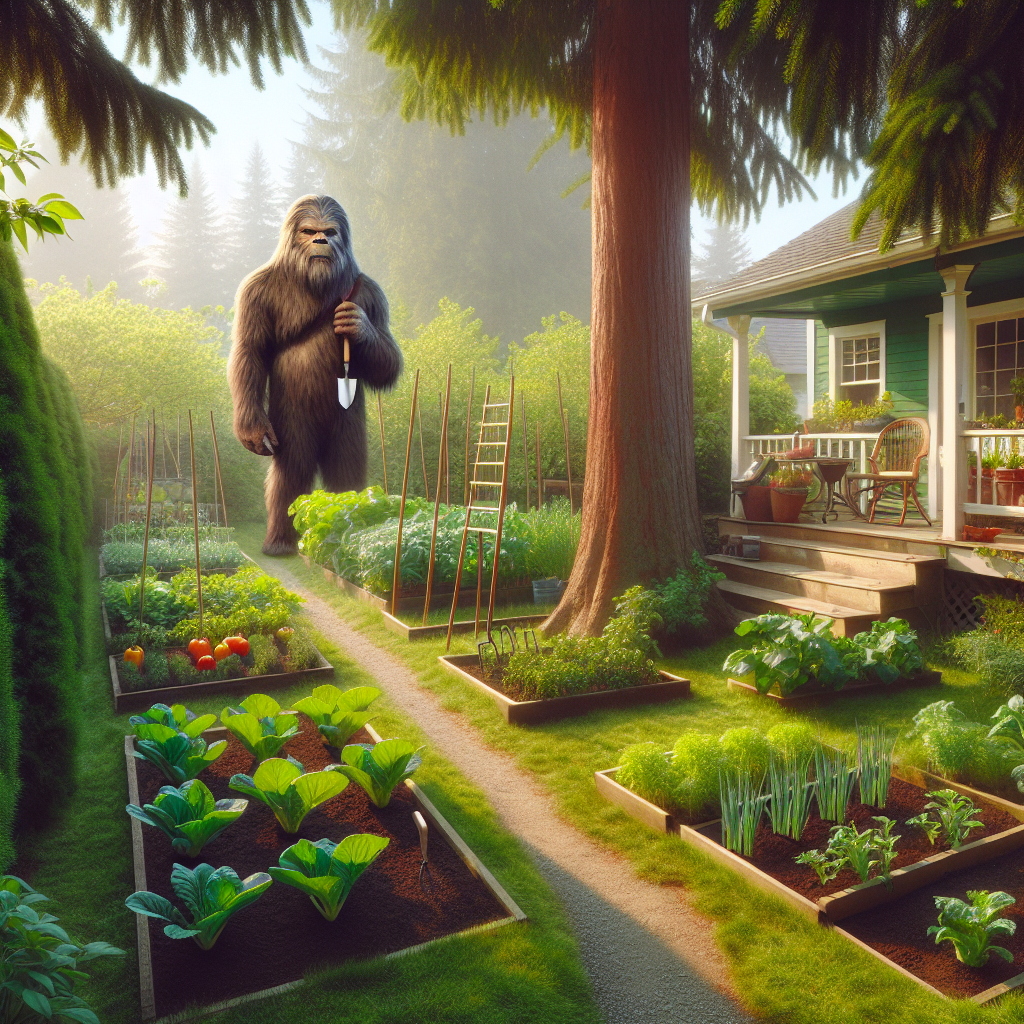
Stop Guessing. Start Measuring.
I've spent forty-some years watching people plant gardens from my quiet spot in the woods, and I can spot a spacing problem from fifty yards away. Lettuce pressed shoulder-to-shoulder like commuters on a train. Peppers so spaced out they look lonely. Tomatoes tangled together in a mess that invites every fungal problem in the Pacific Northwest.
The thing is, vegetable garden spacing isn't mysterious. It's math. Boring, practical math that somehow 70% of home gardeners skip entirely.
Listen, I'll tell you what happens when you get this right: your yields jump. Your plants breathe. Disease backs off. You actually harvest more food from the same bed size. So let's nail it down.
Why Spacing Matters More Than You Think
A few summers back I watched a neighbor spend three weekends fussing with a raised bed, adding soil amendments, installing drip irrigation—the whole song and dance. Come July, her zucchini looked anemic. Her brassicas never headed up right. She'd planted them two inches too close together, and every dollar she'd spent on inputs couldn't fix that.
Space controls three things: airflow, light, and root competition. Crowd your plants and you're basically guaranteeing powdery mildew, early blight, and stunted growth. Go too wide and you're wasting premium garden real estate—and leaving soil exposed to weeds and sun bake.
The sweet spot? It's where each plant gets exactly what it needs and nothing more. No more, no less.
The Spring Spacing Blueprint for Your Garden
Now here's the thing: spacing changes based on whether you're in rows, in raised beds, or using square-foot gardening. I'm going to give you the practical measurements for each, because most seed packets just show you one number and call it a day.
Leafy Greens (The Forgiving Crew)
Lettuce, spinach, and arugula are low-stakes. They're also the most commonly crowded.
- Lettuce (loose-leaf varieties like Buttercrunch): 6–8 inches between plants. In a 4x8 raised bed, you're looking at roughly 30–40 plants. Space them 6 inches if you're harvesting outer leaves continuously. Go 8 inches if you want full heads.
- Spinach: 4–6 inches. Spinach roots shallow, so it tolerates tighter spacing than you'd think. But "tolerates" isn't the same as "thrives." Give it 6 and watch the difference.
- Arugula: 4–6 inches. It bolts in heat anyway, so don't overthink it. Get these in early March while the soil's cool.
- Kale (Lacinato, Winterbor): 12–18 inches. Big leaves need room. Kale's a workhorse—space it right and you're harvesting through fall and into winter.
Brassicas (The Space Hogs)
Broccoli, cabbage, and cauliflower are not compact. They don't want to be compact. Stop trying to squeeze them.
- Broccoli: 18–24 inches. The main head needs airflow or you'll get a fungal mess. 18 inches works in raised beds with great drainage; go 24 if you're in-ground with clay soil.
- Cabbage (Early Jersey Wakefield, Stonehead): 12–18 inches for early varieties, 18–24 for storage types. Early cabbage compacts better. Storage cabbage gets dense and heavy—it wants the extra room.
- Cauliflower: 18–24 inches. Same vibe as broccoli. Cauliflower's honestly pickier about moisture and temperature, so good airflow buys you insurance.
- Brussels sprouts: 24 inches. These are tall, they get bushy, and they stay planted for months. Don't cheat the spacing.
Root Vegetables (Deeper Than You'd Guess)
Folks often crowd these because they're underground and "nobody's watching." Underground is exactly where crowding causes the most damage.
- Carrots (Nantes, Danvers): 2–3 inches between seeds. Thin aggressively. I know, it feels wasteful. Do it anyway. Skinny carrots that actually taste like something beat fat, woody crowded ones every time.
- Beets: 3–4 inches. Beets make multiple plants from each seed cluster—thin to one seedling per spot.
- Radishes (Cherry Belle, French Breakfast): 2 inches. They're fast, they're forgiving. Two inches is comfortable.
- Peas (snap and snow varieties): 2–3 inches in-row. They climb or bush depending on type, but they never need side-to-side room.
- Turnips: 4–6 inches. Neglected vegetable, underrated flavor. Give it space and it'll surprise you.
Warm-Season Starts (Plant These Late March or Early April)
Technically not spring yet—more like "waiting for spring to get serious." But you'll start these indoors in March for transplanting.
- Tomatoes: 24–36 inches. Determinate varieties (compact bush types like Celebrity) go 24 inches. Indeterminate types (the rangy, heavy-yielding ones like Sungold) need 30–36 inches and a serious support system. Don't plant them closer just because you saw someone else do it.
- Peppers (sweet and hot): 18–24 inches. They don't get as sprawling as tomatoes but they still want breathing room. 18 inches works in raised beds; 24 in the ground.
- Eggplant: 24–30 inches. Big bushy plant. Space it right.
Other Spring Players
- Onions (from sets or transplants): 4–6 inches. Tighter spacing actually produces smaller bulbs, which is fine if you want green onions. For storage bulbs, go 6.
- Garlic (already planted in fall, but sprouting now): 6–8 inches. You planted this wrong already if you didn't space it last October.
- Beans (bush varieties): 4–6 inches in-row. Bush beans stay compact; the spacing is about root room, not branch spread.
- Asparagus (year two of establishment): 12–18 inches if you're filling in gaps. Most folks plant once and leave it alone.
- Chard (Bright Lights, Fordhook Giant): 6–10 inches. Wide leaves need room. Tighter if you're harvesting outer stems continuously.
Raised Bed Layout: The Real-World Math
Back in my neck of the woods, most folks garden in 4x8 raised beds now. Let me give you some actual layouts that work.
A tight, efficient 4x8 raised bed (with spacing that maximizes yield):
- Three rows of broccoli at 18" spacing = 9 plants
- Two rows of lettuce at 8" spacing = 16 plants
- One edge row of radishes at 2" spacing = 24 plants
That's roughly 49 plants in one bed, and every single one has the space to actually produce. That's not crowded. That's optimized.
Or a mixed spring bed focused on succession (plant in waves every two weeks):
- Lettuce and spinach in the center at 6" spacing—replant every 14 days for continuous harvest
- Peas on the north end (they don't mind shade as other plants grow tall)
- Carrots and beets on the south end at proper thinning distance
Companion Planting Spacing: The Practical Version
You'll see articles talking about companion planting like it's magic. It's not. It's mostly common sense applied to spacing.
Tall plants (tomatoes, pole beans) shade shorter plants (lettuce, spinach). That's not companionship—that's math. Plant them so the shade happens when the shade helps. Leafy greens actually thrive with afternoon shade when it hits 70°F in late spring.
Nitrogen-fixing crops like peas and beans don't need extra spacing from hungry plants like brassicas. They're just in a different guild. Plant them in sections. Spacing applies within that section, not between them.
Marigolds and basil don't actually keep pests away—that's mostly folklore. They take up space. Space them for their own health, not as pest control.
When to Ignore the Chart (And When Never To)
Soil quality changes the equation slightly. Rich, well-draining raised bed soil with good compost? You can compress slightly—maybe 10–15% tighter than listed. Clay-heavy in-ground beds? Go wider. Airflow matters more when drainage is sketchy.
Weather matters too. Cool, dry springs? Tighter spacing is safer. Hot, humid springs? Give everything an extra 10–15% room.
But don't use "I have great soil" as an excuse to cram everything. You don't.
The Takeaway
Vegetable garden spacing is boring until it's not—until you realize you got 40% more harvest from the same bed because you actually followed a chart instead of guessing. That's when it gets interesting.
Print a spacing guide. Measure your beds. Do the math. Your July self will thank you.