
Stop Guessing When to Plant Your Vegetables
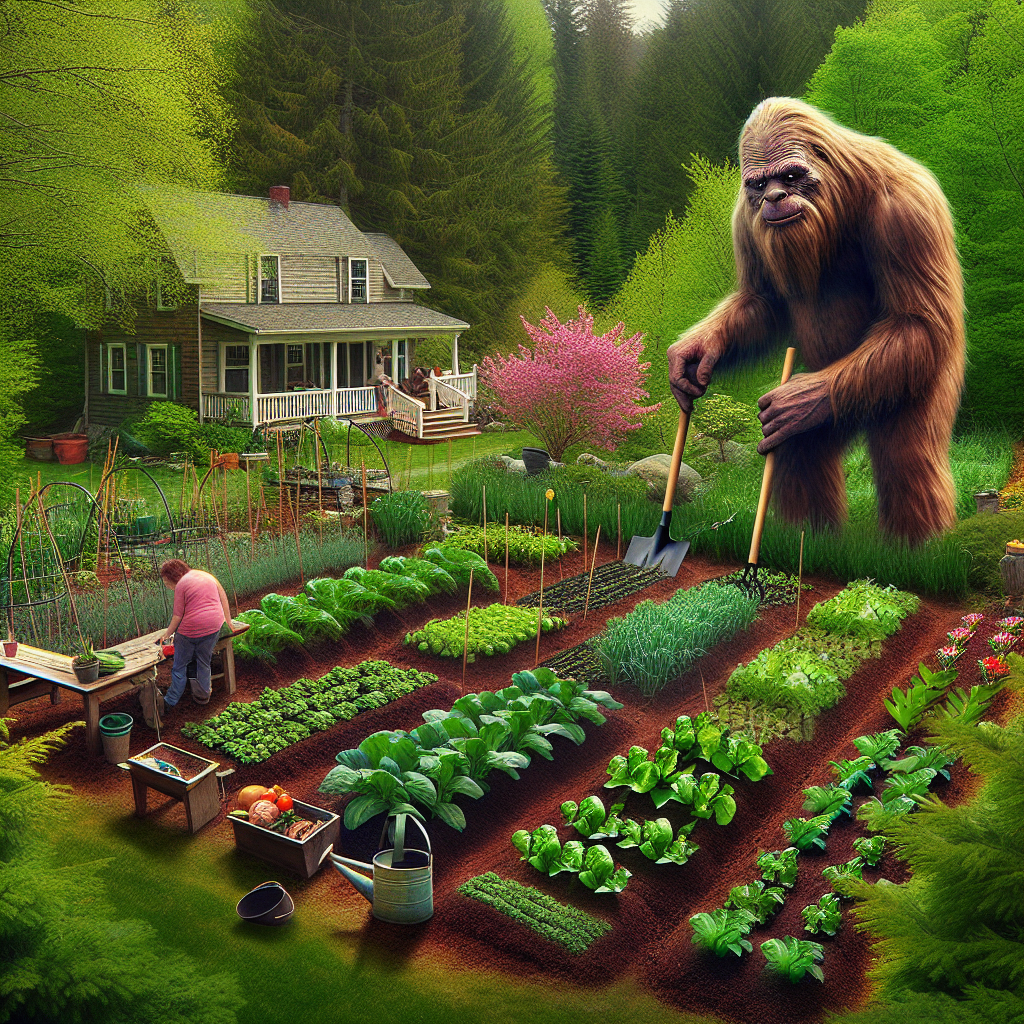
I've been watching humans garden in these woods for longer than I care to admit, and the same mistake shows up every March like clockwork. Somebody gets excited, dumps a packet of tomato seeds directly into cold soil, then wonders why nothing came up. Or worse—they start everything indoors at once, run out of space under their lights, and end up with leggy, stressed seedlings that never recover. I'll tell you what: the difference between a thriving garden and a frustrating one comes down to knowing which crops need a head start indoors and which ones would rather you just wait and direct sow them straight into the ground.
This isn't complicated. It's just information nobody bothers to write down clearly.
Why Timing Matters More Than You Think
Here's the thing—every vegetable has a personality. Some need warmth and light for 6-8 weeks before the soil is even ready outside. Others will germinate faster, grow stronger, and outperform anything you started early if you just wait for the ground to warm up. Plant too early and you waste energy coddling seedlings. Plant too late and you're chasing a frost date that won't wait.
A few summers back I watched a neighbor spend three weekends hardening off pepper seedlings, potting them up twice, fussing under grow lights—only to have a late frost nip them all the same week she planted out. She could have waited two more weeks, direct sown the seeds into warm soil, and had plants ready at the same time with zero babysitting.
The solution isn't rocket science. You need a vegetable garden timeline by zone, and you need to stick to it.
Indoor Seed Starting Setup: What You Actually Need
Before we get into which crops go where, let's talk about the space. Most people overthink this. You don't need a fancy grow tent or a $400 light setup to start seeds indoors. What you need:
- A south-facing window or a basic shop light with one cool-white and one warm-white LED bulb (home centers sell these for under $40)
- Seed trays or recycled yogurt containers with drainage holes
- Seed starting mix—not potting soil, not garden soil, actual seed starting mix like Burpee or Johnny's (the fine texture matters)
- A heat mat if you're in a cold climate (optional but speeds germination by 3-5 days)
- Water mister or tray for bottom watering
That's it. The heat mat helps. The fancy system doesn't change the outcome much. Most garden centers will point you toward expensive shelving units and professional lights—and look, they work fine, but you're mostly paying for the Instagram aesthetic.
Which Crops Go Indoors (6-8 Weeks Before Your Last Frost Date)
These crops need warmth, light, and time before the soil outside is ready. They won't germinate in cold ground, and they benefit from being established before transplant shock hits them.
- Tomatoes – Start 6-8 weeks before. Varieties like 'Early Girl' or 'San Marzano' need the time.
- Peppers – Start 8-10 weeks before (yes, longer than tomatoes). They're slow to germinate and slower to grow.
- Eggplant – Start 8-10 weeks before. Same slow-burner issue as peppers.
- Herbs – Basil, oregano, and cilantro benefit from indoor starts, 6 weeks before.
- Cabbage, broccoli, and cauliflower – Start 5-6 weeks before for transplants, or direct sow later for fall crops.
- Lettuce and spinach – Start indoors only if you want early, continuous harvests; otherwise direct sow.
Which Crops Go Straight Into the Ground (Direct Sow)
These crops germinate fast, don't like being transplanted, and grow stronger from seed in warm soil. Starting them indoors is wasted effort and usually causes problems.
- Beans and peas – Direct sow after last frost (beans) or in early spring for peas. They'll outpace anything you started indoors.
- Carrots, radishes, and beets – Sow directly. Their roots hate disturbance.
- Corn – Direct sow only when soil is 60°F or warmer.
- Squash, cucumbers, and melons – Direct sow after frost risk is gone and soil hits 70°F. Starting early leads to overgrown, tangled transplants.
- Pumpkins – Direct sow in late spring. You'll have stronger plants.
- Direct-sow herbs – Dill, parsley, and borage prefer to start from seed right where you want them.
Your Zone-Based Spring Vegetable Planting Schedule
Now here's the actual timeline. These dates assume average last frost dates—check your local extension office if you're on a frost-date bubble.
Zone 3 (Last frost around May 20)
Indoors, start now (mid-March): Tomatoes, peppers, eggplant, cabbage, broccoli.
Indoors, start early April: Basil and tender herbs.
Direct sow April 15: Peas, spinach, lettuce, early greens.
Direct sow May 25: Beans, squash, cucumbers, corn.
Zone 5 (Last frost around May 10)
Indoors, start mid-March: Tomatoes, peppers, eggplant, cabbage, broccoli.
Indoors, start late March: Basil, tender herbs.
Direct sow April 1: Peas, spinach, lettuce, cool-season crops.
Direct sow May 15: Beans, squash, cucumbers, corn, melon.
Zone 7 (Last frost around April 20)
Indoors, start late February: Tomatoes, peppers, eggplant, cabbage, broccoli.
Indoors, start early March: Basil and tender herbs.
Direct sow March 15: Peas, spinach, early greens, root crops.
Direct sow May 1: Beans, squash, cucumbers, corn, warm-season crops.
Zone 9 (Last frost around March 20)
Indoors, start January: Tomatoes, peppers, eggplant (if you're doing spring crops).
Direct sow February: Peas, lettuce, spinach, root crops, cool-season vegetables.
Direct sow March 15 onward: Warm-season crops—but honestly, folks in Zone 9 often treat spring as a shoulder season and focus on fall gardens.
The Equipment That Actually Saves Time
If you're starting more than a few dozen seeds, a simple setup saves frustration. A fluorescent or LED shop light (around $35-50) beats a windowsill. A seed heat mat runs $20-30. Seed starting mix costs less than potting soil. Bottom-watering trays mean you water once and the soil wicks it up evenly—no more overwatering seedlings.
One thing nobody tells you: a basic timer on your lights (like a $15 outlet timer) is worth more than seedling fertilizer. Set it for 14-16 hours on, 8-10 hours off. Consistent light schedules prevent the weird stretching and pale-leaf stuff.
One More Thing About Frost Dates
Listen, I see the same mistake year after year. People look up their frost date, mark the calendar, and treat it like gospel. The truth is sloppier. A frost date is a statistical average—the last date when frost usually happens. Some years it comes early, some years it comes late. If you're near the edge, wait an extra week. If you're in a frost-prone pocket or near water that moderates temperature, you might be safe earlier.
Talk to actual gardeners in your neighborhood, not the internet. They know the microclimates that matter.
The Real Reason This Matters
Timing your seed starting indoors versus direct sowing isn't about perfection. It's about not wasting money on seeds that rot, not nursing weak transplants, and not watching your garden start late because you guessed wrong. A simple vegetable garden timeline by zone saves you weekends of fussing and a wallet's worth of replanting.
Print out the schedule that matches your zone, tape it to your seed shelf, and follow it. Your garden will thank you. And so will I, watching from the edge of these woods—I'll have one less frustrated neighbor to feel bad for come July.