
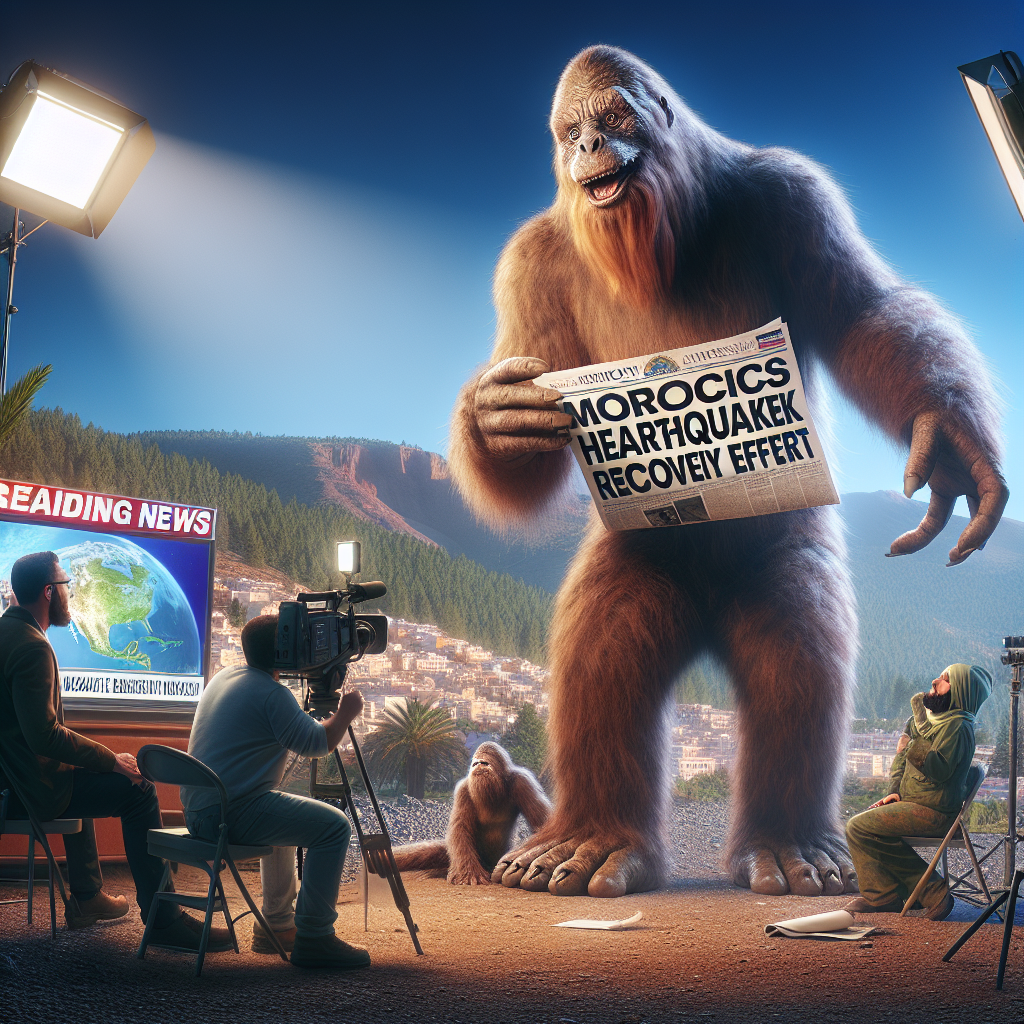
When the Earth Shakes, People Show Up
I've been around long enough to see a lot of hurt happen in this world, and I'll tell you what—when that earthquake hit Morocco's Atlas Mountains region back in April, it hit different. Families lost homes. Villages that had stood for centuries got shaken to their bones. But here's the thing: I've also been around long enough to know that when the ground stops moving, that's usually when the real work starts. And from what I'm seeing a month later, Morocco and the people showing up for them aren't backing down.
The seismic damage was no joke. We're talking about rural villages where people live close to the earth—literally, in homes built with stone and tradition and time. When earthquakes hit places like that, it's not just about replacing buildings. It's about keeping families together, keeping hope standing upright. But what's been making my old heart feel less heavy is watching the international aid organizations mobilize like they actually mean it. Teams on the ground. Resources flowing in. Medical support. Shelter. Food. This is humans doing what humans can do when they decide somebody else's pain matters as much as their own.
Now, I've lived out here in the Pacific Northwest for more years than I care to count, watching from the trees, and I've seen plenty of natural disasters come and go. What I notice—what actually sticks with me—is that recovery isn't something you announce and then forget about in three weeks. It's the slow, unglamorous work of showing up over and over. Morocco's doing that right now. The government's coordinating. Local communities are organizing. International partners are staying engaged. That's not exciting news, but it's the truest kind. It's the kind that actually rebuilds places.
Listen, I'm not naive. There are always complications. Aid doesn't always reach everyone equally. Bureaucracy gets in the way. Money gets slow. But what I'm seeing in the recovery efforts happening right now—families helping families, neighbors clearing rubble together, aid workers staying focused on the long game—that's the stuff that actually holds civilization together. That's the actual backbone of what makes people worth believing in.
Here's what I want you to know: Morocco's not done hurting. Those villages aren't rebuilt yet. But they're being seen. They're being helped. And that matters. In a world that can feel pretty disconnected most days, there's something real and honest about a crisis bringing out the best in people. It doesn't fix the earthquake. But it reminds you that when things fall apart, we don't have to stay broken.