
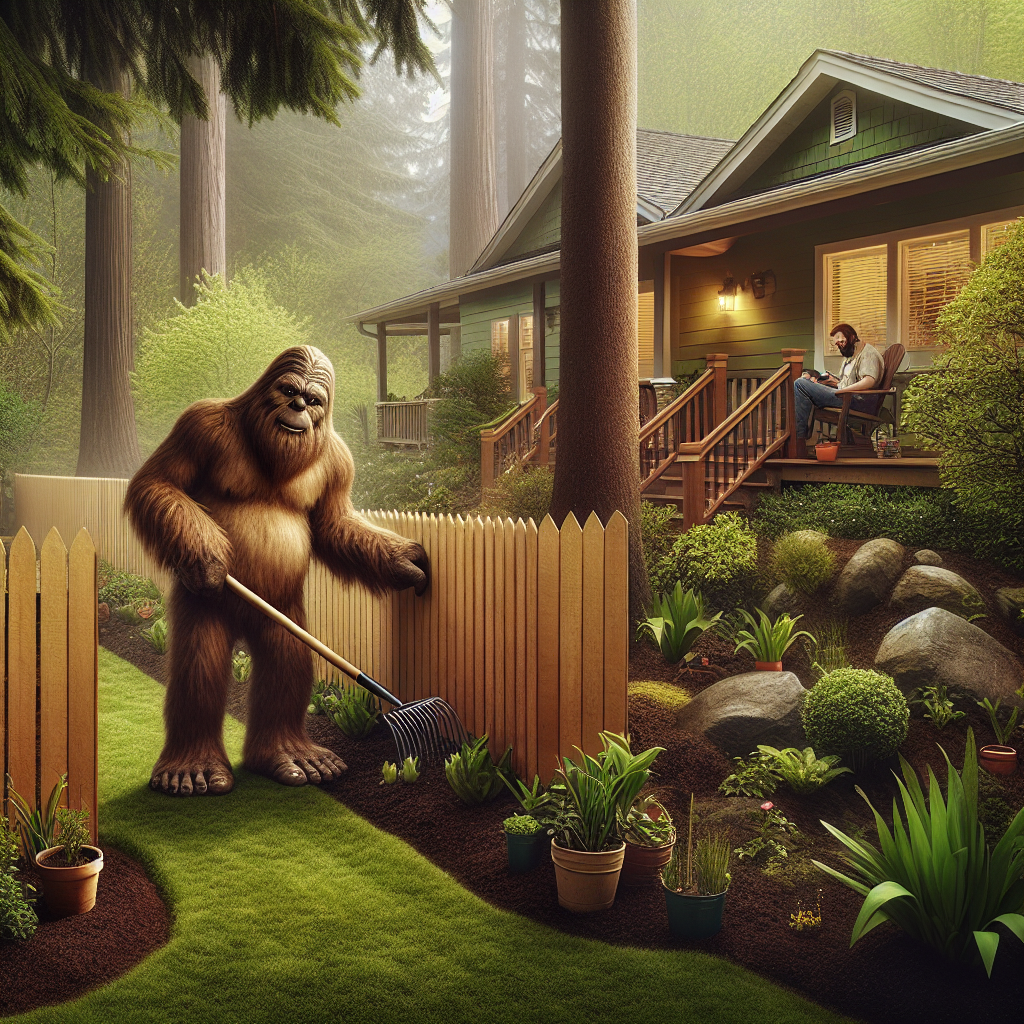
Spring Fence Season Is Here—And You're About to Make a $5K Decision
Every March, I watch the same thing happen in my neck of the woods. Homeowners walk their property lines, notice the rot, the lean, the gaps where deer have pushed through over winter. By April, contractors are lined up with estimates. Most folks don't know what they're actually comparing, and that's when they get talked into the wrong material for their situation.
I'll tell you what—I've watched enough fence installations from the tree line to know which ones last and which ones become money pits. Let's break this down so you're not making decisions based on a contractor's push toward whatever gets installed fastest.
The Real Numbers: What You'll Actually Spend Over 20 Years
Listen, the upfront cost matters, but it's not the whole story. A fence isn't a one-time expense. You're looking at maintenance, repairs, and eventual replacement spread across decades.
Wood Fencing
Initial cost: $15–$25 per linear foot installed. Sounds cheap. That's because it is—at first. A 150-foot fence runs you roughly $2,250–$3,750 to put in, and this is where most homeowners stop thinking and write a check.
Here's where the real cost lives: wood needs stain or sealant every 2–3 years. A gallon of quality exterior stain (Thompson's WaterSeal or Olympic Premium) runs $50–$75, and you'll need roughly one gallon per 350 square feet. Add painter time or your own sweat equity. Over 20 years, you're looking at 6–7 restaining cycles. That's $300–$500 in materials alone, plus labor if you're not doing it yourself.
Rot starts showing up around year 5–7 if you're in the wet Pacific Northwest. A few boards need replacing—$100–$300 each depending on access and the fence style. By year 15, you might be replacing entire sections. Total 20-year cost: $4,500–$7,000 if you do the work yourself, $6,500–$10,000 if someone else handles it.
Now here's the thing: wood can look beautiful. It ages gracefully if you maintain it. But that maintenance is the catch.
Vinyl Fencing
Initial cost: $25–$40 per linear foot. That same 150-foot fence costs $3,750–$6,000 to install. Sticker shock, sure. But then the calculator flips.
Vinyl needs almost zero maintenance. No stain. No sealant. You rinse it with a garden hose or pressure washer once a year if it's dusty. That's it. The material doesn't rot, doesn't warp, doesn't attract termites. A vinyl fence from Veranda or Bufftech installed properly in 2006 will look nearly identical today.
The real expense is damage. A vinyl post or panel costs $150–$400 to replace if you crack it or if a tree limb takes it down. But most homeowners go 15–20 years without a single replacement. Total 20-year cost: $3,750–$6,500, almost entirely upfront.
Most garden centers will point you toward vinyl because the margins are better—and look, it works fine. You're mostly paying for the convenience of not thinking about your fence for two decades.
Metal Fencing (Aluminum or Steel)
Initial cost: $20–$35 per linear foot for aluminum, $25–$45 for steel. Your 150-foot fence runs $3,000–$6,750.
Aluminum is maintenance-free in most climates. It won't rust. It's lightweight and holds up well. Steel, though? Steel needs a rust-preventative coating every few years, especially near the coast or in wet areas. Think Rustoleum High Performance or similar industrial paint—$30–$50 per gallon, and you'll need 2–3 gallons per application. That's $150–$200 every 3–4 years. Over 20 years, you're adding $900–$1,500 to steel's total cost.
Aluminum total over 20 years: $3,000–$6,750 upfront, nearly nothing after. Steel total: $4,500–$8,250 if you maintain it properly.
Durability: Which One Actually Lasts?
A few summers back I watched a neighbor install a vinyl fence, and I'll admit I was skeptical. Cheap plastic fence? But here we are, eight years later, and it still looks new. Meanwhile, his wood fence from the '90s on the other side of the property is a patchwork of replaced boards and rotted sections.
If we're talking real-world durability in the Pacific Northwest:
- Wood: 10–15 years if maintained well, 5–8 years if ignored. Weather and rot are constant enemies.
- Vinyl: 20–30 years with almost zero maintenance. The weakest point is usually the posts, which can eventually loosen, but the material itself doesn't degrade.
- Aluminum: 25–40+ years. Won't rust, won't decay. Posts can corrode at the base if water pools around them, but that's an installation problem, not a material problem.
- Steel: 15–30 years depending on maintenance and climate. Rust is the enemy, and coastal areas cut that lifespan down fast.
The fence replacement guide for 2026 mostly recommends vinyl or aluminum for this exact reason: they're the only materials where you're not constantly patching or painting. Folks hate maintenance until they realize maintenance costs money and time.
DIY Fence Repair: Can You Do This Yourself?
This depends entirely on your comfort level and what you're actually doing.
Wood Fence Repair
Replacing a single board? Absolutely DIY-able. You need a circular saw, a level, some wood screws, and a couple hours. Posts are trickier. Setting a new wooden post requires digging a hole 2–3 feet deep, getting the post level, and either concreting it in or using a concrete footer (Quikrete All Purpose is what most folks use—$6 per 50-pound bag, and you'll need 2–3 bags per post). This is doable for one post. For a full fence, hire it out.
Vinyl Fence Repair
Replacing a panel is straightforward if the rails and posts are intact. Slide the new panel in, secure it. Thirty minutes max. But if the post is cracked or the rails are damaged, you're cutting and removing sections, and suddenly you need a circular saw, a reciprocating saw, and patience. One panel? DIY. Entire section? Consider hiring it.
Metal Fence Repair
Aluminum panels and posts can be unbolted and replaced without welding. Totally DIY if you have basic tools. Steel is different—if a post is bent or corroded, you likely need a welder or professional help. Painting and rust treatment? DIY-able if you follow instructions and take your time. Use a wire brush to remove loose rust, prime with rust-preventative primer, then finish coat. One afternoon per 50 linear feet.
Which Material For Your Situation?
Choose wood if you actually enjoy maintaining things and you want the aesthetic. Accept that you're signing up for regular work.
Choose vinyl if you want to install a fence and forget about it. The upfront cost is higher, but your future self will thank you.
Choose aluminum if you're near water or in a damp climate and you want metal's look without rust worries.
Choose steel only if you're committed to painting it every few years, or you're in a dry climate where rust develops slowly.
It's March 2026, contractors are busy, and your options are still sitting in front of you. Get at least three quotes—vinyl, wood, and aluminum. Ask each contractor what they're guaranteeing and for how long. Ask about repairs and whether they source replacement parts easily. The answer matters more than the material itself sometimes.
Most folks pick wrong because they're focused on next month's bill instead of next decade's peace of mind. Don't be most folks.