
You Don't Need Perfect Soil. You Need a Better Plan.
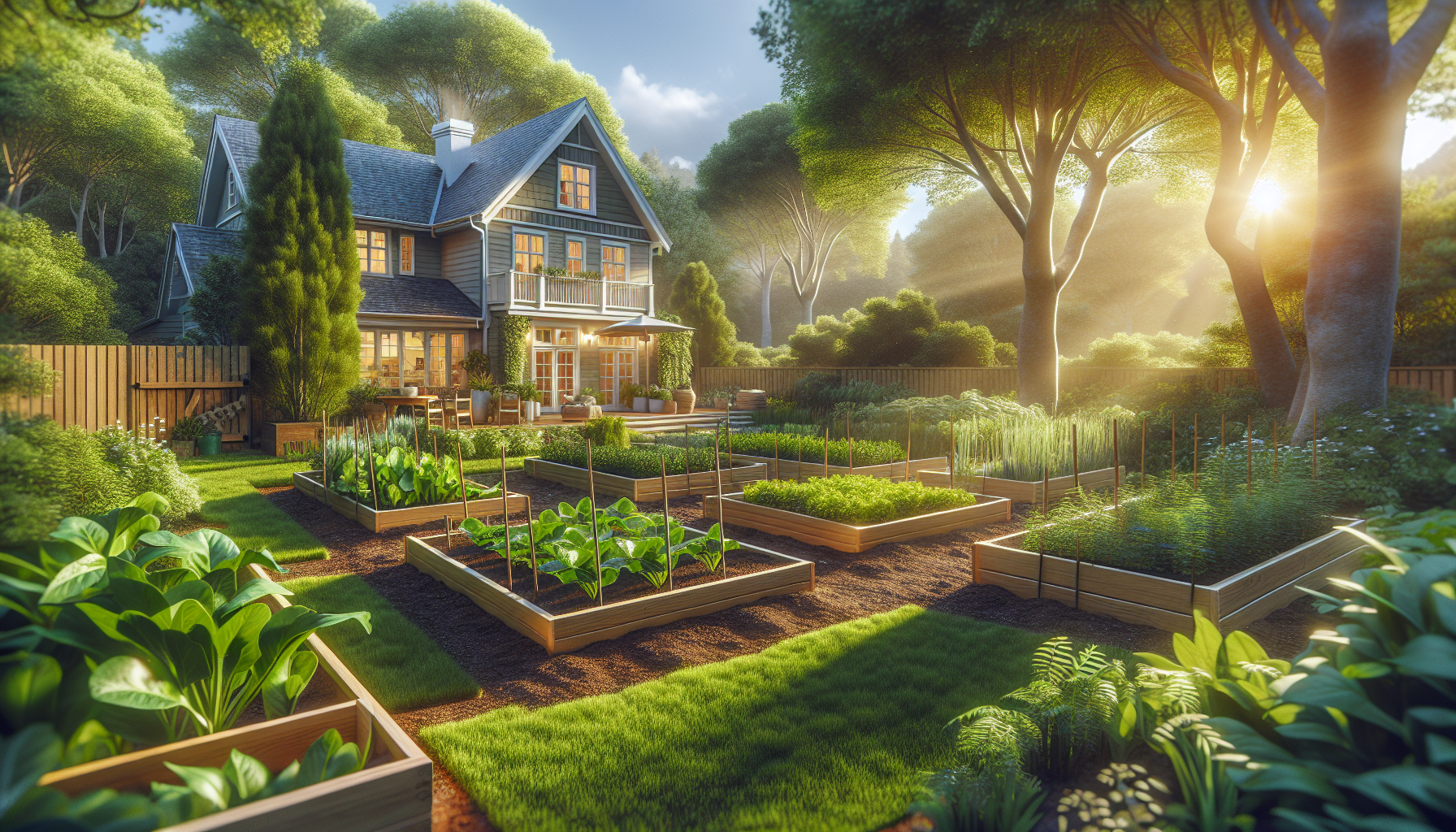
I've been living in these woods for more years than I care to count, and I've watched a lot of folks get frustrated with their gardens before they even start. Most of them are fighting compacted clay, drainage problems, or whatever the previous owner left behind. Listen, that's where raised beds come in. You're not fixing your whole yard. You're just building a clean box, filling it with good soil, and starting fresh. That's it. Takes a weekend. Makes all the difference.
A few summers back I watched a neighbor spend three weekends trying to amend a patch of hardpan soil with compost and peat moss. Good effort, wrong strategy. The following spring, I saw her install two 4-by-8 raised beds and grow more lettuce and tomatoes than she knew what to do with. Sometimes the shortcut is actually the smarter move.
Building Your Raised Garden Bed: Materials and Assembly
Let's start with wood. You'll want untreated cedar or composite boards—never treated lumber. Treated wood leaches chemicals into your soil, and you're about to eat what grows there. Cedar naturally resists rot, which matters in the Pacific Northwest or anywhere that gets real moisture. A standard raised bed vegetable garden runs 4 feet wide by 8 feet long by 12 inches deep. That's a good beginner size. Not too overwhelming, not too small to matter.
Here's what you'll actually need for one bed:
- Two 8-foot cedar boards, 2×12 inches (rough-cut, untreated)
- Two 4-foot cedar boards, 2×12 inches (same specs)
- 16 deck screws, 3 inches long (stainless steel or exterior-grade)
- A power drill or screwdriver—and yeah, a regular screwdriver works fine if you don't have a drill
- A level (you've got a smartphone; use the bubble level app if you need to)
- A tape measure and pencil
Now here's the thing: most garden centers will point you toward those pre-made raised bed kits with plastic corners and the whole assembly-line look. Look, they work fine, but you're mostly paying for the packaging and convenience. A 4-by-8 cedar bed costs about $80 to $120 in materials if you shop smart, and you've actually built something that fits your space exactly.
Assembly Takes About 30 Minutes
Find level ground. This matters more than folks think—standing water in a low corner kills plants. Lay your long boards parallel to each other, about 4 feet apart. Lay the short boards perpendicular at each end. Pre-drill your holes so the wood doesn't split, then drive your screws through the short boards into the ends of the long boards. Two screws per corner, angled slightly inward. You're not building a bookshelf; you just need it square and stable. Check it with your level. If one corner sits higher, adjust the ground underneath—shim it with soil or sand if you need to.
Stand back. You've got a box. That's the hard part done.
Calculating Soil and Filling Your Bed Right
A 4-by-8-by-12-inch bed holds about 32 cubic feet of soil. That's roughly 10 cubic yards, or about 12 to 13 50-pound bags if you're buying bagged soil at a garden center. But don't do that. It'll cost you triple what it should.
Instead, call a local landscaping supply yard. Tell them you need 10 cubic yards of garden mix or topsoil blend. You'll pay maybe $60 to $100 total, delivered. They'll dump it in your driveway. Yes, it's a pile. Yes, it takes work to move it into your bed with a shovel. That's the trade-off for saving $200.
Fill your bed about three-quarters full with that base topsoil. Now layer in something with more life to it. You want compost—the darker, crumbly stuff that actually feeds plants. Mix in about 3 to 4 inches of finished compost from a local supplier or a good bagged brand like Coast of Maine or Espoma. Fill the rest of the way to the top of your boards. Water it thoroughly. Let it settle for a day or two. Top it off again if it settles more than an inch. You're done filling.
What to Plant in Your Spring Garden
Spring in the Northwest is cool and moist. That's not a limitation—that's an advantage if you plant things that actually like those conditions. Listen, this is where most people go wrong. They see garden catalogs full of tomatoes and peppers and think spring means summer vegetables. Wrong season.
For a spring vegetable planting guide in March and April, think cold-hardy greens and quick-growing brassicas. These thrive in your raised bed vegetable garden right now:
- Lettuce (Buttercrunch, Lollo Rosso, or Oak Leaf varieties): 30 to 45 days to harvest. Succession plant every two weeks for continuous greens.
- Spinach (Space or Bloomsdale): Tolerates light frost. Direct seed it and thin seedlings. You'll be eating it in 40 days.
- Kale (Lacinato or Winterbor): Actually gets sweeter after a cold snap. Plant transplants, not seeds.
- Peas (Oregon Sugar Pod or Cascadia snap peas): Plant seeds directly in mid-March. They'll climb a trellis and produce for six weeks.
- Radishes (French Breakfast or Watermelon): Plant seeds. They're done in 25 days. Kids love them.
- Chard (Bright Lights or Fordhook Giant): Plant transplants. One plant feeds a family all spring.
Now, if you're in late April or May and the soil is warming up, you can start thinking about tomatoes, basil, and beans. But don't rush it. Cold soil rots seeds. Wait until the soil temperature hits 60 degrees consistently—usually mid-May in the Pacific Northwest. You'll actually get better results planting warm-weather crops later than planting them early and watching them sit there looking miserable.
DIY Garden Bed Construction: The Planting Layout
For a 4-by-8 bed, sketch it out on paper first. Put your taller plants (peas on a trellis, kale) on the north side so they don't shade the shorter stuff. Lettuce and spinach in the middle. Radishes on the edges—they'll be harvested before anything else needs the space. Succession planting works in a raised bed better than anywhere else because everything's in one convenient rectangle. Pull out radishes in late April, pop in basil seedlings in May. It's like gardening with actual efficiency.
Space lettuce plants 6 to 8 inches apart. Spinach gets 4 to 6 inches. Kale needs 12 inches or it'll get crowded and bitter. Follow the seed packet instructions—they're not suggestions, they're the plant's actual requirements. When you're tempted to squeeze more in, resist. Crowded plants get powdery mildew and weak. A few well-spaced plants always beat a cramped mob.
Water, Mulch, and the Rest
Raised beds drain fast—faster than in-ground gardens. That's good for root health, bad for your watering schedule. You'll probably need to water every three days in late spring once things are growing. Mulch helps. Spread 2 inches of straw or shredded leaves over the soil once your plants are a few inches tall. It keeps moisture in and weeds out. Back in my neck of the woods, I've seen folks spend an hour hand-pulling weeds from an unmulched bed when a dollar's worth of straw would've prevented the whole thing.
Your raised bed vegetable garden is low-maintenance, but it does need attention. Check soil moisture by sticking your finger in—if the top inch is dry, water. In spring, once a week is usually enough unless you're in a drought. Morning watering is better than evening; it reduces disease pressure.
And look, sometimes things don't work. A plant bolts early. Slugs find your lettuce. That's gardening. You learn, you adjust, you try something different next season. The whole point of starting with a raised bed is you're giving yourself the best odds from the beginning. Clean soil, good drainage, easy access—that's not luck, that's just sense.
Get your bed built this weekend. Fill it. Plant seeds. Water it. Come back in four weeks, and you'll have fresh greens that taste like actual food instead of the plastic-wrapped stuff from the store. I've watched a thousand gardens from these woods, and I'm telling you—there's nothing complicated about it. Just start.