
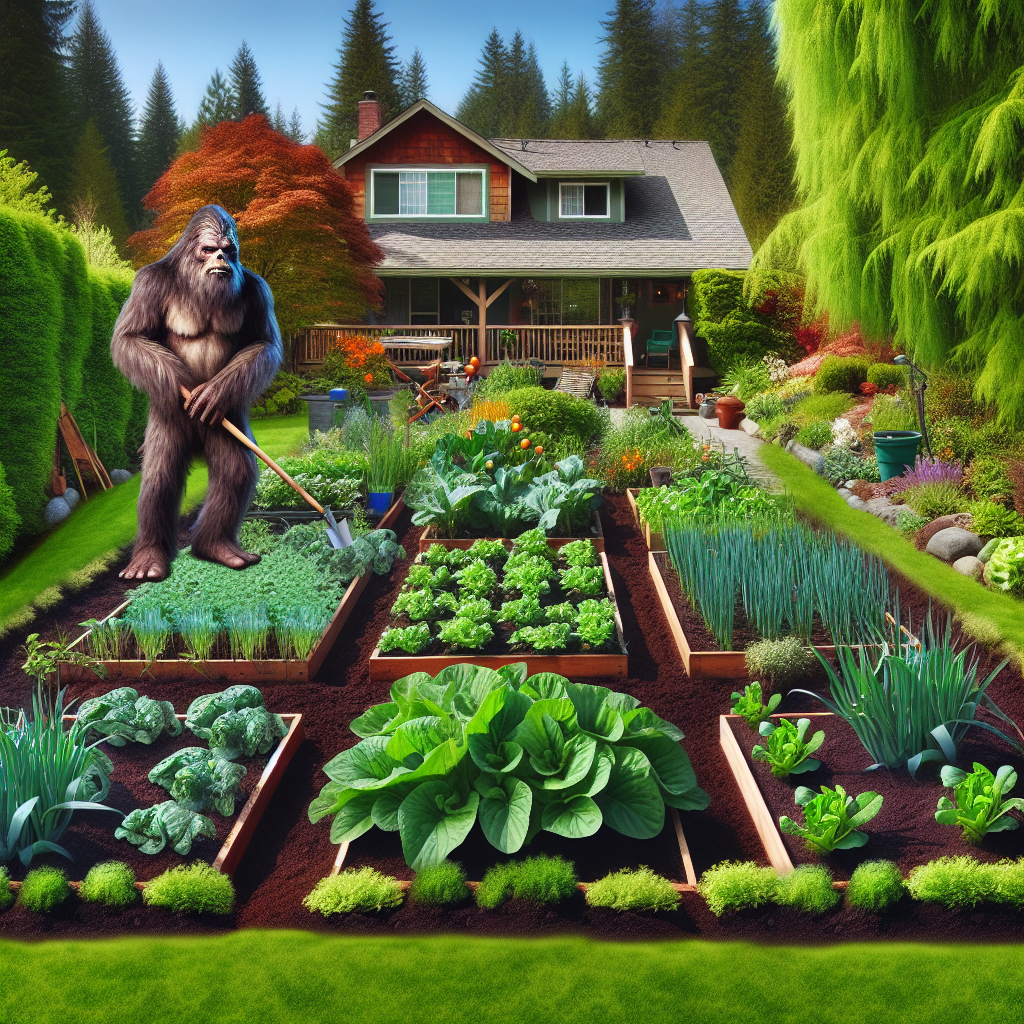
Build Your Spring Raised Garden Beds Right: Materials, Layout & Maximum Yields
Look, I've been living in these woods long enough to see what grows and what gets abandoned by July. The difference between a garden that feeds you all summer and one that becomes a tangle of dead tomato vines usually comes down to one thing: the foundation. Not soil, not seeds—the actual bed itself. Get this part right in spring, and you're not fighting gravity, drainage, and your own frustration all season.
I'll tell you what, most folks think raised garden beds are just a trendy thing they saw on Instagram. They're not. They're practical. Better drainage. Warmer soil in early spring. Less bending. And if you build them right from the start, you won't be rebuilding them in three years when the wood rots and your entire setup collapses.
Choosing Your Materials—The Honest Assessment
This is where I need to be straight with you. Untreated cedar is the gold standard for best materials raised beds, and it deserves that reputation. It lasts 10-12 years without rotting, and it won't leach anything nasty into your vegetables. A 2x10 cedar board costs more than pressure-treated pine, sure. But here's the thing: you build it once, and it sits there quietly doing its job while you're not thinking about it. That's worth something.
Most garden centers will point you toward pressure-treated lumber—and look, it works fine, but you're mostly paying for something that'll start degrading in 5-7 years. You'll get the satisfying feeling of a bargain, then you'll get to do this whole project again. Not my favorite use of a Saturday.
If budget is genuinely tight, composite boards (like Trex or similar recycled plastic-wood blends) split the difference. They cost less than cedar, last longer than treated pine, and they won't splinter. They also won't rot. The downside? They heat up faster in summer sun, which can actually dry out your soil quicker. Not ideal, but workable.
- Cedar (2x10, 2x8, or 2x6): Best long-term choice. Budget 10-12 years of reliable performance.
- Pressure-treated lumber: Cheaper upfront. Expect 5-7 years before replacement.
- Composite boards: Middle ground. Durable, rot-proof, but heats up more in direct sun.
- What to avoid: Concrete blocks (leach alkaline compounds), railroad ties (creosote contamination), regular plywood (delaminates fast).
For fasteners, use stainless steel screws (3-inch exterior grade). Galvanized will rust eventually. Wood screws are cheaper than bolts and you won't need to futz with a drill press.
Raised Bed Dimensions That Actually Work
A few summers back I watched a neighbor design beds that were 3 feet deep and stretched 20 feet long. She couldn't reach the middle without stepping into the soil, compacting it, and undoing half her work. That was when I realized most people don't think about the human body when they think about raised bed dimensions.
Start here: width should never exceed 4 feet. Most gardeners are 5-6 feet tall, and you can comfortably reach about 2 feet into a bed from either side. Go wider and you're either climbing in (bad for soil) or overextending (bad for your back). Length doesn't matter nearly as much—make it 4, 6, 8, 12 feet if you want. Length is just how much linear growing space you're after.Depth is where people get confused. For most vegetables, 10-12 inches is minimum. Root vegetables like carrots and beets want 12 inches. Leafy greens and herbs can live in 8-10 inches. Tomatoes, peppers, and squash? Those are 12-18 inch crops. Now here's the thing: if you're building on top of heavy clay or compacted soil, go deeper if you can. A 2x12 board gives you real depth to work with, and your roots won't hit that clay ceiling and get frustrated.
If you're dealing with a slope or uneven ground (and honestly, who isn't in the Pacific Northwest), level your site first. Use a 4-foot level and some soil adjustment. A tilted bed means water pools at the low end and drains too fast at the high end. Neither is what you want.
Site Selection and Sunlight Planning
Most vegetables want 6-8 hours of direct sun. Not afternoon shade, not dappled light through trees—direct sun. Tomatoes, peppers, squash, beans: these are sun-worshippers. Leafy greens and root crops can tolerate 4-6 hours and actually prefer some afternoon shade in July when the thermometer hits 90.
Walk your yard at 9 AM, noon, and 3 PM on a clear spring day. Watch where the shadows fall. Mark the spots that get consistent, uninterrupted sun from morning until early afternoon. That's your raised bed real estate. Avoid planting beds under the drip line of large trees—not just because of shade, but because tree roots will absolutely mine your garden for water and nutrients, and you'll never understand why your plants look thirsty when you just watered them.
Layout and Crop Rotation Strategy
Now here's the thing about vegetable garden layout: you want to think in families and nutritional demands, not just what you like to eat.
Heavy feeders (tomatoes, peppers, squash, corn) burn through nitrogen fast. Medium feeders (beans, peas, lettuce) are moderate. Legumes (peas, beans) actually add nitrogen back to the soil. If you rotate crops by family every year, your soil doesn't get depleted, and you break pest and disease cycles naturally.
Simple three-year rotation: Year 1, plant tomatoes and peppers in Bed A. Year 2, plant beans or peas in that same bed. Year 3, plant root vegetables or leafy greens. Then start over. You don't need fancy charts. You need a notepad or a photo of what went where.
Space your beds 2-3 feet apart. You need room to walk between them, move a wheelbarrow, and bend down without falling into the next bed. Early spring is the time to think this through, not August when everything's overgrown and you're frustrated.
Soil and Drainage Setup
Most folks fill raised beds with whatever they can buy in bulk at the garden center. Listen, you've got a chance to get this right from the beginning. Mix is what matters: roughly 50% topsoil, 30% compost, and 20% coarse perlite or aged bark. This gives you structure, nutrition, and drainage.
A 4×8×12 inch bed holds about 32 cubic feet of soil. That's roughly 1 cubic yard. Check your local soil supplier's pricing—bulk is always cheaper than bags. A 50-pound bag of Osmocote or similar slow-release fertilizer mixed into the top 4 inches gives your plants steady nutrition through spring and into summer without burning roots.
If your site drains poorly (clay soil, low spot), lay down landscape fabric before you build, then add 2 inches of gravel or coarse compost before you fill with your soil mix. Water needs to move down, not pool sideways and rot your roots.
Building It Together
Assemble your boards on level ground first. Pre-drill your screw holes if you're using hardwood like cedar—it prevents splitting and makes fastening faster. Two screws per corner, and you're solid. Don't overthink it. This isn't furniture. It's a box.
Set it in position. Fill it with your soil mix. Water it down once. Let it settle for a day or two, then top it off if it's sunk more than an inch. Plant your spring crops, and get growing.
Come late July when things are hot and everyone else's gardens are struggling, yours will still be producing because you built a foundation that works with water instead of against it. That's the whole game right there.