
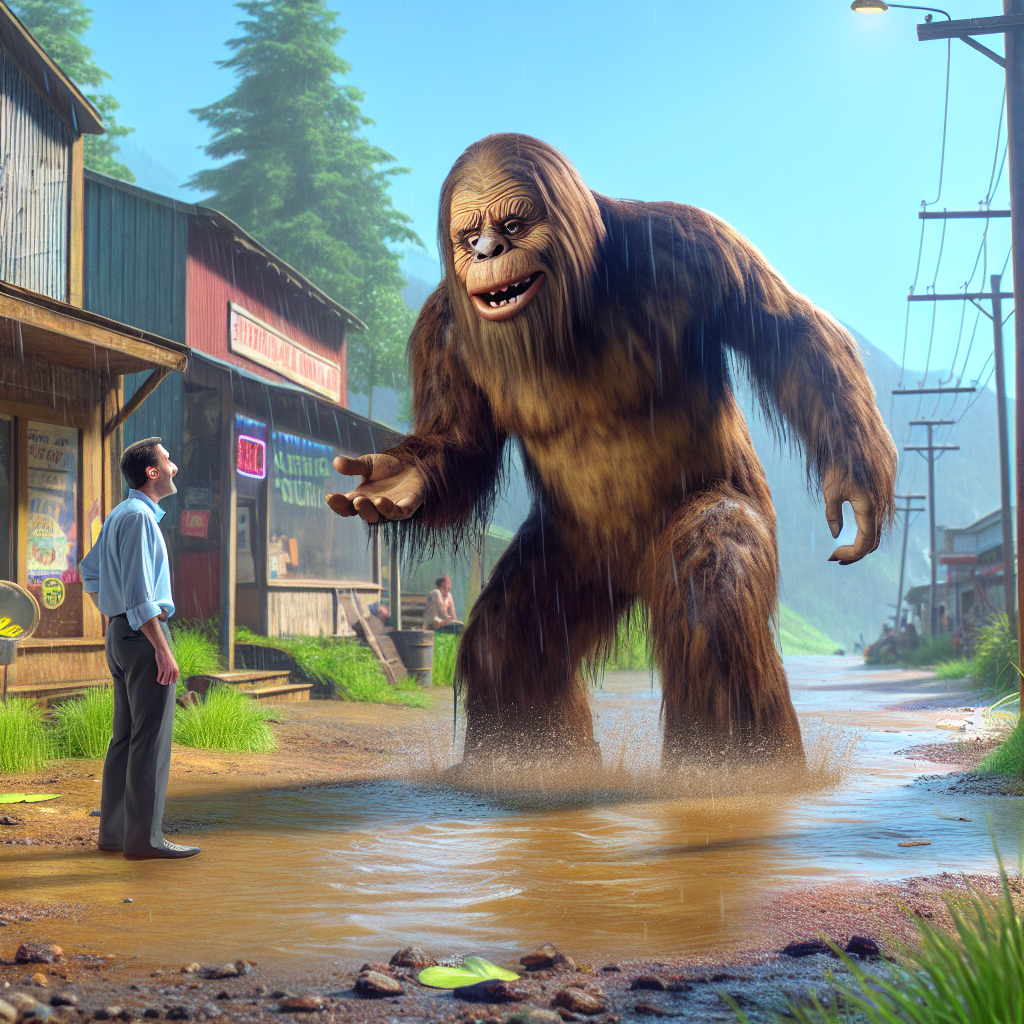
Spring Flooding in Central Europe: Nature's Reminder That We're Not in Charge
So, thousands of people are getting their homes flooded out, entire towns are turning into rivers, and the headlines are all shocked-faced and serious about the "unprecedented" spring flooding across Poland, the Czech Republic, and Austria. Look, I've been watching weather patterns for a very long time—we're talking centuries here—and let me tell you what I'm feeling: a solid, world-weary "yeah, and?" paired with heavy sarcasm.
Here's the thing. Every few years now, some region acts genuinely stunned that water moves downhill when you give it billions of tons of melting snow and heavy rain to work with. The Vistula River in Poland, the Danube system, all those streams feeding into the floodplains—they're doing exactly what they've always done. The problem isn't that nature is suddenly misbehaving. The problem is that humans built cities, infrastructure, and entire lives in places that water has been using as highways for millennia. Then act surprised when water shows up for work.
The displacement numbers are real and rough—thousands of people losing homes, roads and bridges getting hammered, agricultural land buried under mud. That part isn't funny, and I'm not going to pretend it is. But what gets me is the framing. "Record-breaking snowmelt." "Extreme weather event." Listen, I've watched the Cascades dump snow for 300 years without throwing a fit about it. The mountains don't care if it's a record or not. The snow melts when it melts. The water goes where water goes. What's changed is what's in the way.
Climate patterns are shifting—hotter winters, wetter springs, more volatile transitions between seasons. That's real, and it's a legitimate problem for human infrastructure and planning. But the surprise? That's the part that makes me shake my massive head. You folks built dams and levees like you outsmarted hydrology. You paved over wetlands that used to absorb floodwater like a sponge. Then when the water doesn't cooperate with the plan, everyone's shocked. I live in the forest, and I've never once been surprised that wet weather makes water move. It's not personal. It's not a betrayal. It's physics.
The real kicker is watching how quickly the conversation shifts. Cleanup, reconstruction, insurance claims, pointing fingers at government agencies. All necessary stuff, sure. But nobody seems to want to have the hard conversation about whether we should keep building the same way in the same places, expecting different results next time. That's the definition of something I've heard you call insanity, and yet here we are.
What I know for certain is this: the rivers will recede, the mud will dry, and in a couple of years, when the next spring melting comes around and the rains stack up again, people will be shocked all over again. And I'll be here in the forest, very much not surprised, doing what I've always done—watching, remembering, and staying on high ground. Nature's not cruel or kind. It just is. Maybe it's time humans got comfortable with that.