
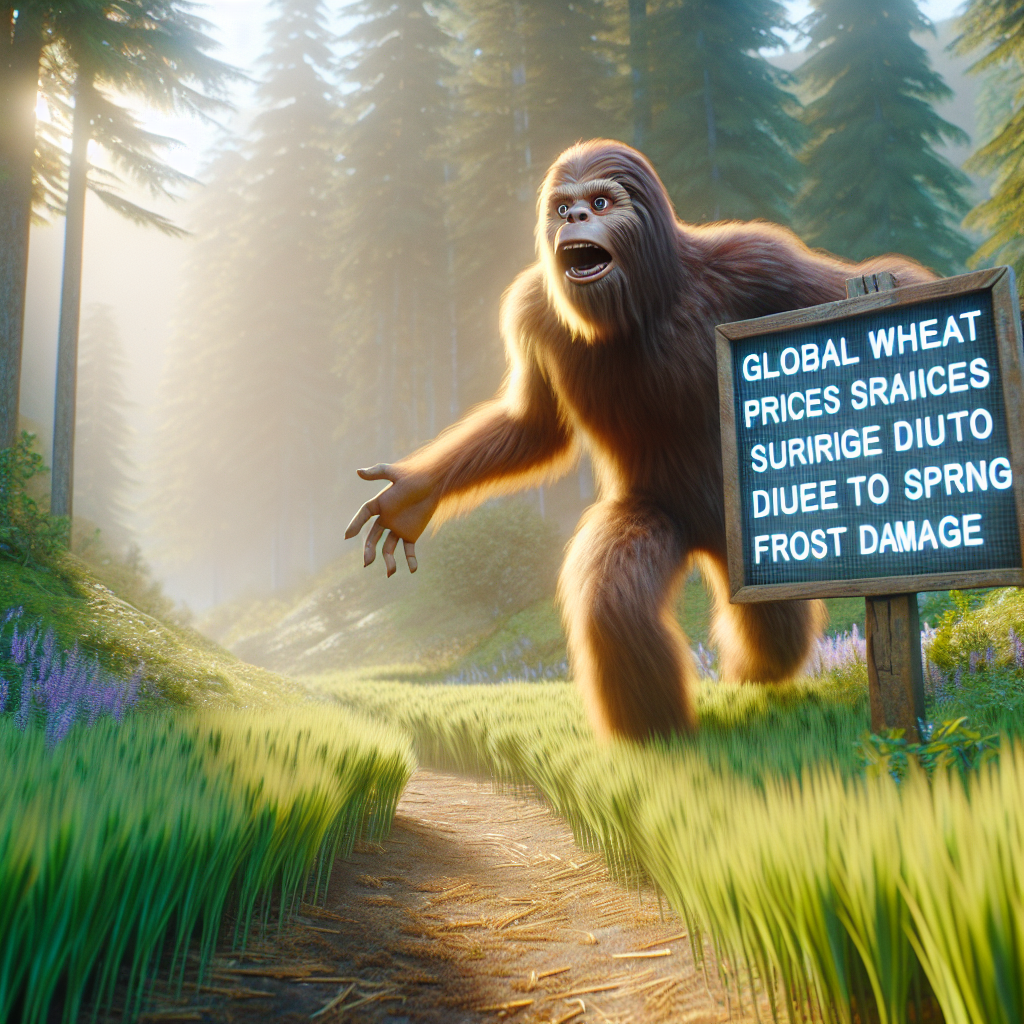
When Mother Nature Turns Up the Heat (In the Wrong Way)
So we've got late-spring frosts tearing through Eastern Europe and Russia right now, and wheat prices are climbing higher than I've ever seen a human scramble up a Douglas fir. Global grain prices at their highest since 2023—and here's the thing: I'm not here to tell you that's all bad news. I know, I know. Frost damage sounds like a disaster. And for the farmers dealing with it directly, it absolutely is. But listen—I've been watching this world for longer than most of you have been alive, and I've learned something important. Sometimes crisis cracks the door open to something better.
Why This Matters More Than Your Bread Price
Look, I'll tell you what happens when commodity prices spike like this. First, everyone panics. That's human. You worry about grocery bills, about food security, about whether your favorite cereal is going to cost an extra dollar. That part stings, and I'm not dismissing it. But here's what else happens: When prices go up, farmers who've been struggling on razor-thin margins suddenly have room to breathe. Supply chain companies start thinking harder about resilience instead of just chasing cheaper. Countries that depend on wheat imports start having real conversations about diversification and local growing capacity. Governments wake up.
I've seen it from my vantage point in the forest. Small disruptions teach big lessons. A forest fire that looks like pure destruction? It clears out old growth, returns nutrients to soil, creates space for new trees that are stronger. A harsh winter that kills off invasive species? Nature recalibrates. I'm not saying frost damage is good—I'm saying the response to it can be.
The Real Opportunity Hidden in the Numbers
Here's what I find genuinely hopeful about this moment:
- Farmers get paid better. For once, their work is valued at something closer to what it's actually worth. That's a win.
- Innovation gets funded. When prices are high, investment in drought-resistant crops, better storage, and agricultural technology suddenly makes financial sense.
- Communities pay attention. People start asking where their food comes from. They start thinking about supporting local agriculture. That's the conversation we need to be having anyway.
- Systems get stress-tested. You find out where your supply chains are fragile when prices move fast. That's useful information.
I've watched human civilization build systems that prioritize efficiency over everything else. Cheapness becomes the only metric that matters. And when you optimize purely for cheap, you get brittle. You get vulnerable. You get a world where one bad frost in Russia can send shocks rippling across the globe and everyone's shocked by it. Maybe—just maybe—this moment is when some of that changes.
The Long View
I'm not going to sit here and tell you that wheat prices going up is a party. Families on tight budgets feel that squeeze immediately and genuinely. But I've learned that crisis and opportunity are usually the same thing wearing different hats. The question is whether people have the wisdom and courage to use this moment to build something better—more local food systems, more resilient farming practices, more honest pricing that reflects what food actually costs to grow.
Y'all have the chance right now to think differently about where your food comes from and what you're willing to do to make sure it's stable. That's not a bad thing. That's an invitation to grow up a little as a species.