
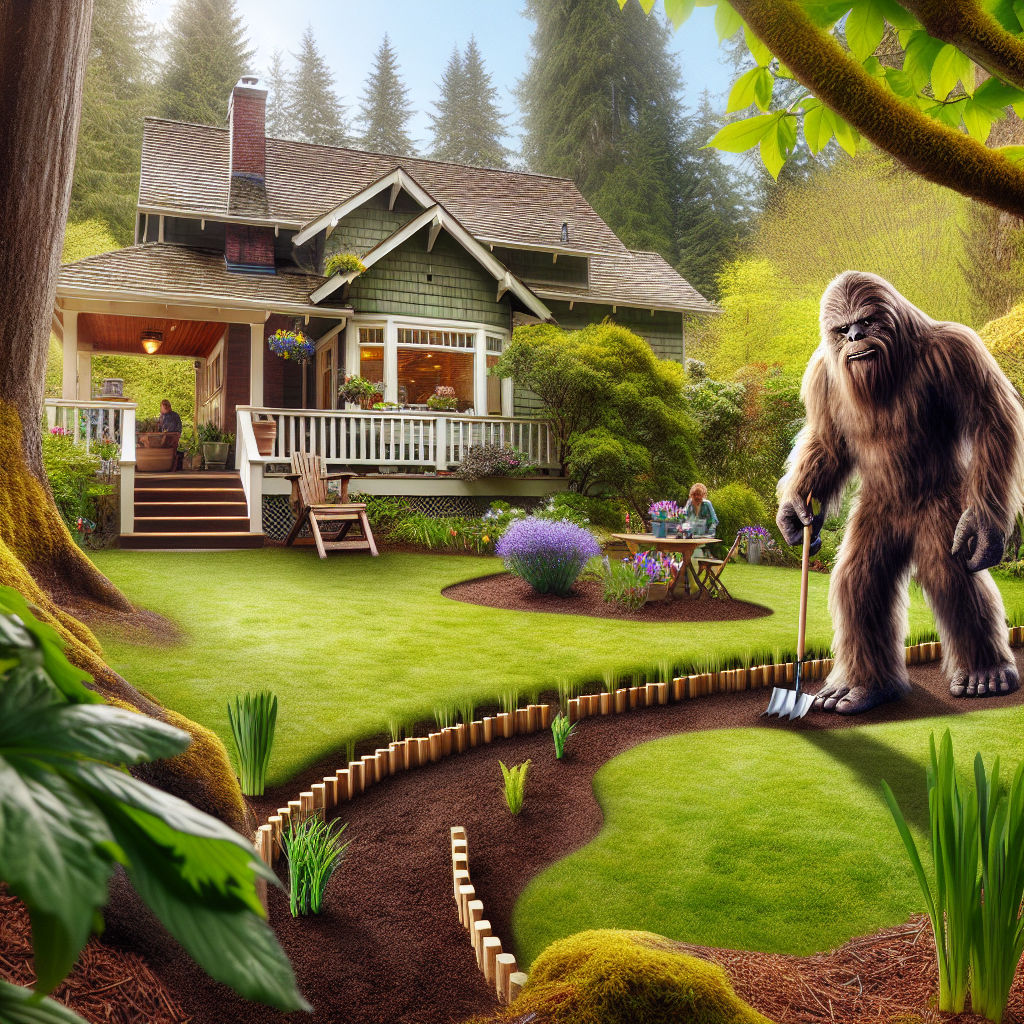
Spring Garden Bed Edging: Install Permanent Borders Now & Cut Weeding by 80%
Right about now, grass is waking up and remembering it wants to live everywhere—including places you've specifically told it not to. Your garden beds are on borrowed time. Most homeowners wait until June when the problem is already out of hand, then spend the entire summer on their hands and knees pulling creeping bentgrass and crabgrass out from under the petunias. I'll tell you what: that's fixing a problem instead of preventing one, and prevention is always cheaper.
The good news? March and April are the absolute best months to install permanent garden bed edging before that grass invasion gets serious. You're looking at a weekend of work—maybe two if you've got large beds—and then five to ten years of dramatically reduced maintenance. Most people don't realize how much of their spring and summer yard work is actually just fighting the border war between lawn and garden. Put a real barrier in place, and that percentage drops hard.
Why Grass Creep Matters More Than You Think
Here's what happens: cool-season grasses like Kentucky bluegrass and perennial ryegrass spread by rhizomes—underground runners that snake into your beds whether you want them there or not. By July, you've got grass growing right up through your mulch. By August, you're weeding every weekend. By September, you're wondering why you ever started a garden in the first place.
A few summers back I watched a neighbor spend three weekends in a row edging her beds with a hand tool, pulling grass back about 6 inches each time. By mid-August she'd given up and just let it grow. The beds looked ragged. She looked frustrated. And the whole thing could've been solved with about eight hours of work in April. Now listen, I'm not judging—I spend most of my time in the woods and don't have to deal with HOAs—but I do recognize wasted effort when I see it.
Permanent edging doesn't just stop grass. It also:
- Keeps mulch where it belongs instead of migrating into the lawn
- Reduces hand-weeding time by 70–80% over a season
- Makes mowing cleaner and faster
- Defines beds so they actually look intentional instead of accidental
- Prevents soil compaction at the bed edge
Permanent Garden Borders Installation: The Right Materials for 2026
Most garden centers will point you toward plastic snap-together edging—and look, it works fine, but you're mostly paying for the name and getting something that'll crack after three winters in the Pacific Northwest. There are better options if you're thinking in terms of actual decades.
Steel Edging (The Best Long-Term Play)
Galvanized or Corten steel edging is the closest thing to permanent you're going to get. A 20-foot roll of 1/8-inch Corten steel from suppliers like Landscape Forms will run you $80–120, which sounds like a lot until you realize you're installing it once and then not touching it for 15 years. It won't crack. It won't warp. It won't disintegrate. It'll actually develop a beautiful rust patina that looks intentional.
Installation is straightforward: dig a shallow trench about 4 inches deep along your bed line, slide the steel in, stake it every 2–3 feet with landscape spikes, and backfill. The top edge sits about 2–3 inches above grade, which is tall enough to stop grass runners but not so tall it looks out of place. Now here's the thing—the learning curve is basically zero. If you can dig a trench, you can install steel edging.
Recycled Composite Edging
If you want something that looks more finished and polished, composite materials like those from DuPont Corian or Trex have moved way beyond what they used to be. They're made from reclaimed wood fibers and plastic, they don't require staining or sealing, and they hold up genuinely well for 10–12 years before needing replacement. They cost more upfront—around $3–5 per linear foot installed—but the labor is about the same as steel.
Hardwood (For Defined Beds That Look Premium)
Here's where most people go wrong with wood edging: they use pressure-treated lumber and expect it to last. It doesn't. Pressure-treated breaks down faster than you'd think, especially in wet climates. If you're going the wood route, use naturally rot-resistant cedar or redwood at minimum—4 inches tall, 1 inch thick—or splurge on black locust or white oak if your budget allows. Yes, it costs more. Yes, it lasts 15–20 years instead of 5–7. The math works.
Landscape Edging Ideas 2026: Thinking Beyond the Basics
Not every bed needs the same treatment. Mixed approaches work great.
- Vegetable beds: Steel or composite. You want a clear boundary and something that won't leach anything into your soil.
- Ornamental/perennial beds: Steel or wood, depending on your aesthetic. Both last and both look good.
- Native plantings: Stone or steel. Avoid anything that looks too fussy—these beds should feel natural.
- Raised beds: Usually edging isn't needed, but a steel lip along the top edge can look intentional.
The trend in 2026 is toward mixed materials and softer lines. Gone are the days of edging your entire property in one material. Combine steel in the front where you want clean lines, and use natural stone or decomposed granite in back where things can feel a little looser. Your beds should reflect your yard's actual personality, not just what the home depot has on sale.
Installation Timeline: Do This Now
You want to install edging before the grass really gets moving. March through mid-April is ideal. Soil's workable, grass is just starting to wake up, and you'll have the barrier in place before the heavy growth phase hits in May and June. If you wait until June, you're already fighting established runners and it's twice as much work to clean up.
Budget a full day for every 50–75 linear feet of edging, depending on soil condition and how many curves you're dealing with. Straight lines move faster. If your beds are complicated shapes, add more time. A typical suburban yard with four main beds and some perimeter planting usually takes a weekend for one person, or one solid day with two people working together.
The Maintenance Payoff Actually Adds Up
Here's where the math gets interesting. Proper edging reduces your annual weeding time by roughly 8–10 hours per season, depending on bed size. If you value your time at even $20 an hour, that's $160–200 in recovered time per year. Over a 10-year lifespan, a $600 investment in quality edging material and installation pays for itself in year four, then saves you labor every season after.
Plus you're not buying herbicides, not dealing with chemical runoff, and not spending emotional energy fighting a battle you should've prevented. That stuff matters too, even if it doesn't show up on a spreadsheet.
Spring's the right time for this work because you're thinking about your yard anyway. You've got the mental space and the physical energy. Do it now and spend the rest of the year actually enjoying what you've built instead of maintaining it. That's the whole point of a garden in the first place.