
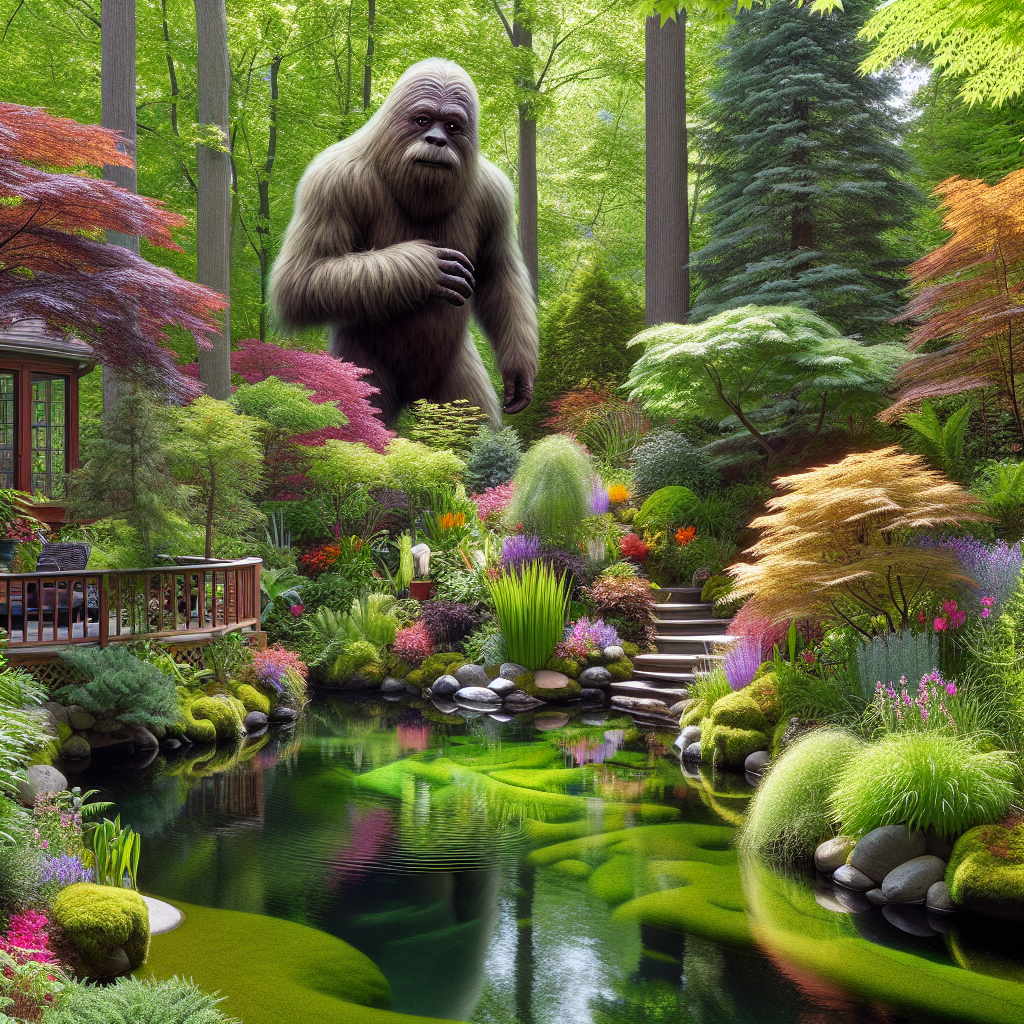
Spring Pond & Water Feature Installation: Build Your Backyard Ecosystem Without Draining Your Wallet
March and April are your golden window for backyard pond installation. The frost is loosening its grip, the soil's actually workable instead of concrete, and you've got the whole season ahead to watch your water garden come to life. I've been watching humans fumble through this for decades from the treeline, and I'll tell you what — most of them wait too long, miss the sweet spot, then spend twice the money trying to rush it in June. Don't be that person.
Now here's the thing: you don't need to hire a landscape crew or spend five grand on some Instagram-worthy feature to make this work. A modest DIY water feature will attract more wildlife, cool your yard down on hot days, and give you something genuinely peaceful to sit near after a long week. And if you're handy enough to swing a shovel and follow basic steps, you're handy enough to build this yourself.
Why Spring Is Your Window
Soil is forgiving in spring. The ground has thawed enough that you can actually dig without feeling like you're breaking your back against frozen earth, but it's still got enough moisture that the walls of your pond won't immediately cave in from drying out. You'll also have months ahead to establish your water feature, let plants settle, and let beneficial bacteria colonize before the summer heat hits.
Start in late March if you're in the upper Pacific Northwest. April works fine for most of the region. Any later than mid-May and you're working against the heat, which means more evaporation during installation and higher stress on new plants.
The Budget Reality: DIY Versus Professional
Let's be straight about money, because folks always get sticker shock when they see a contractor's bid.
- Professional installation for a small 4x6 foot pond: $2,500 to $5,000+. That's for labor, equipment rental, pond liner, and basic finishing.
- DIY small pond with quality materials: $400 to $800. You're buying the liner, some rock, plants, and a basic pump yourself.
- DIY miniature water feature or tabletop fountain: $75 to $150.
The gap is real. Most garden centers will point you toward expensive pre-formed pond shells and deluxe pump systems — and look, they work fine, but you're mostly paying for the name and the convenience of having someone haul it out there. A reinforced EPDM rubber liner and a mid-range pump from a company like Laguna or Oase will serve you just as well, and you'll pocket the difference.
The Step-by-Step for a Small DIY Pond
A 4x6 foot pond with 18 to 24 inches of depth is the sweet spot for beginners. It's big enough to look real, small enough that you won't spend every weekend on maintenance, and deep enough that fish (if you want them) won't freeze solid come winter.
Step 1: Pick Your Spot and Prepare
Choose a location that gets 3 to 4 hours of sunlight but isn't in full afternoon heat. You want some shade from a nearby shrub or tree — it keeps algae in check and keeps your water from evaporating like you're running an outdoor kettle. Make sure it's relatively flat. Back in my neck of the woods, I watched a neighbor spend three weekends digging a pond that kept draining toward the back corner because he didn't level the ground properly. Don't rush this part.
Mark out your shape with rope or a garden hose. Square or rectangular is easier to line than kidney-shaped, despite what the garden magazines tell you.
Step 2: Dig the Hole
This is where your spring timing pays off. The soil will move. Dig down about 18 to 24 inches and create a shelf about 12 inches down on the edges — that's where your marginal plants will sit. A shovel and a weekend is all you need for a small pond. Rent a mini excavator for $100 to $150 a day if you're doing something bigger and you don't want your shoulders to hate you.
Check your depth with a straight board and a level. Every bump and high spot will become a leak eventually.
Step 3: Remove Sharp Stuff and Lay Underlayment
Pick out rocks, roots, and anything sharp. Lay down 2 inches of sand on the bottom, then add a layer of underlayment fabric (about $0.50 per square foot). This protects your liner from punctures. It's cheap insurance.
Step 4: Install the Liner
Drape your EPDM rubber liner (usually 45-mil thickness for durability) into the hole. Center it and press it gently to the corners. Leave overlap around the edges — at least 18 inches. Start filling with water slowly, and the weight of the water will pull the liner down into place. Fill it halfway, work out any major wrinkles by hand, then finish filling.
Once it's full, trim the excess liner, leaving about 12 inches of overlap. You'll secure this with coping stones or landscape edging.
Step 5: Add Your Pump and Circulation
A small submersible pump (1,000 to 2,000 GPH depending on your pond size) will keep water moving and prevent mosquito breeding. Position it on the bottom with the intake facing away from the main drain point. Run the discharge hose up to a small fountain head, waterfall spillway, or back into the pond itself. A basic pump setup runs $150 to $300.
Run the power cord up the side and bury it in conduit to keep it safe. Plug it into a GFCI outdoor outlet — not optional, folks.
Step 6: Edge and Rock
Lay coping stones or landscape edging around the top to cover the liner overlap and give the whole thing a finished look. Use a mix of river rock and larger field stone on the bottom. It looks natural and gives beneficial bacteria a place to live.
Water Garden Plants and Wildlife
A healthy pond needs three types of plants. Oxygenating plants like anacharis live underwater and keep the water clean. Water lilies and lotus are your showy plants, with that traditional pond feel. Marginal plants like pickerel rush and cattail grow on the shallow shelf and filter the water.
Within a week, you'll start seeing water insects. Within two weeks, dragonflies. A month in, if you've got fish, they'll be settled and hunting mosquito larvae. This is your backyard ecosystem doing what it's supposed to do. No chemicals needed if you've got the right balance of plants and movement.
Maintenance Through the Season
Spring and early summer are when you stay ahead of algae blooms. Run your pump continuously during the growing season. Remove excess algae by hand or with a net. Top off water loss from evaporation every few days if it's hot — add about an inch a week on average.
By July, your pond will have found its rhythm. From there, it's just checking the pump intake for debris, removing dead plant material, and enjoying it.
Listen, I've watched plenty of people build their first water feature and never touch it again. The ones who come back are the ones who remember why they built it — not for Instagram, but because they wanted to sit by something alive and moving. If you build it right now, in spring when the timing is perfect, you'll get years of that quiet reward.