
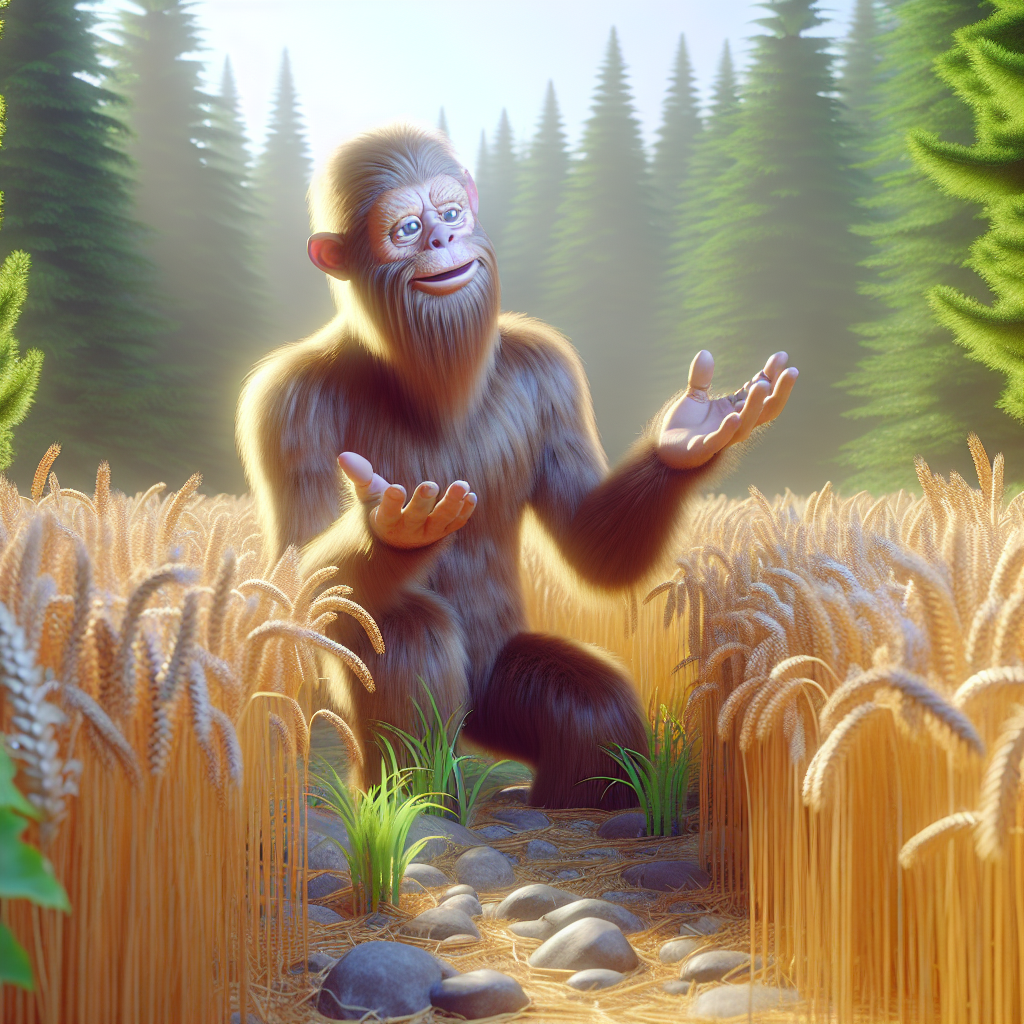
When the Frost Hits Different
So Russia just got walloped by the worst spring frost in decades, and—surprise, surprise—40% of their wheat crop is toast. I mean actually toast. Burnt. Gone. And now grain prices are spiking 35% around the planet, folks are getting nervous about food security, and everybody's looking for someone to blame. Here's the thing: sometimes nature just says no, and you have to sit with that.
The Math Nobody Wanted
Listen, I've watched humans for a long, long time, and one thing I've noticed is that y'all act shocked every single time the weather does what the weather does. Russia grows a quarter of the world's wheat. A QUARTER. So when a late frost—the kind I've seen roll through these mountains in April my whole life—decides to wreck their crops, everybody downstream feels it. Developing nations that depend on cheap grain imports? They're about to have a real bad year. Bread's getting expensive. Rice is looking pretty good right now. Flour prices are climbing.
The scary part isn't the frost itself. It's that we've built a global food system so tight and so dependent on a handful of major suppliers that one bad weather event in Eastern Europe can make people go hungry three continents away. That's not nature's fault. That's our design.
What Willy Sees From the Stump
I'll tell you what gets me: humans spend billions on technology, algorithms, weather prediction—and somehow you're still surprised when spring frosts happen in spring. You've got satellites! You know this stuff is coming! And yet, year after year, farmers in Russia are betting their whole season on "maybe the cold won't come this year." It will. It always does.
But here's where I soften a little bit. Farming is brutal. You can do everything right, follow every rule, make every smart choice—and then the universe sends down one cold night and your whole year's work is gone. I've seen that with berries up here. One late frost and the crop's finished. You can't control it. You can only live with it. And sometimes, that teaches you something about humility that no textbook can.
The Real Problem
The wheat shortage itself? That's a wake-up call. Not a disaster yet, but a reminder. We've made our food system so fragile that we're one bad harvest away from real suffering in places that can't absorb the cost. That's not a Russia problem. That's a "how we built the world" problem.
What needs to happen is harder than blaming the weather: we need redundancy, resilience, local food production, and a system that doesn't leave 2 billion people hanging by a thread that runs through Moscow. But that takes time, money, and the kind of planning humans aren't always great at.
The Honest Take
Mother Nature's not punishing anybody. She's just being herself—cold, indifferent, powerful. The question is whether we're paying attention. Because I've got news for you: this won't be the last time the weather ruins somebody's year. The only question is whether we're awake enough to do something about it.